The useful question about Apple HomeView is not only what it does, but what kind of object it wants to be. For anyone trying to understand Apple's $299 smart home display, the key distinction is this: HomeView is less a repurposed tablet for the kitchen counter than a dedicated hub designed around presence, personalization, and ambient use.
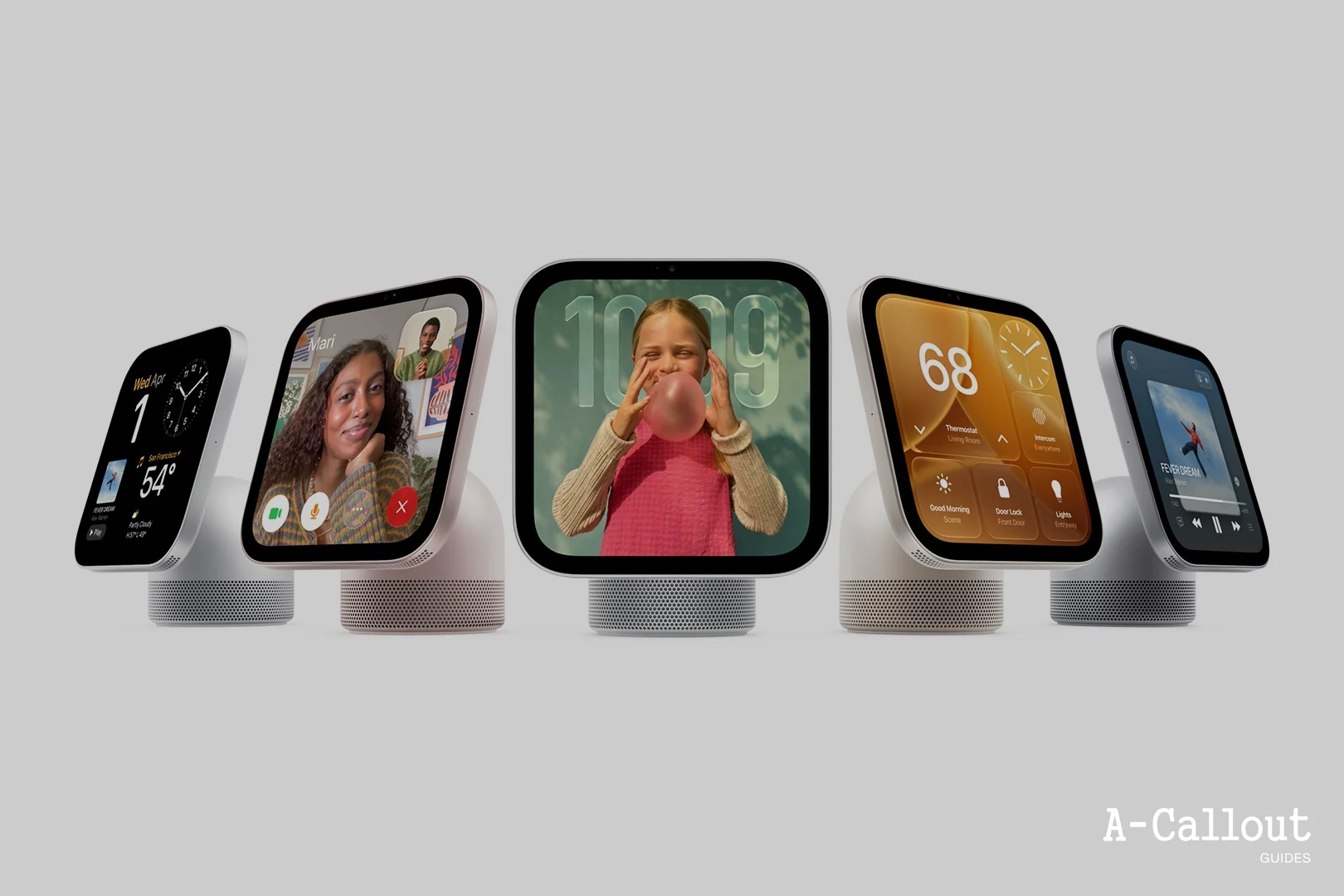
That framing matters because most smart displays are judged by utility: Can they show a recipe, answer a question, make a call, stream a video, control a light? HomeView handles many of those things. It plays music, surfaces information from Messages, Calendar, Reminders, and Find My, supports FaceTime, and responds to touch and voice. But its real proposition is more specific. Apple is positioning it as a room-scale interface that changes according to who is standing in front of it.
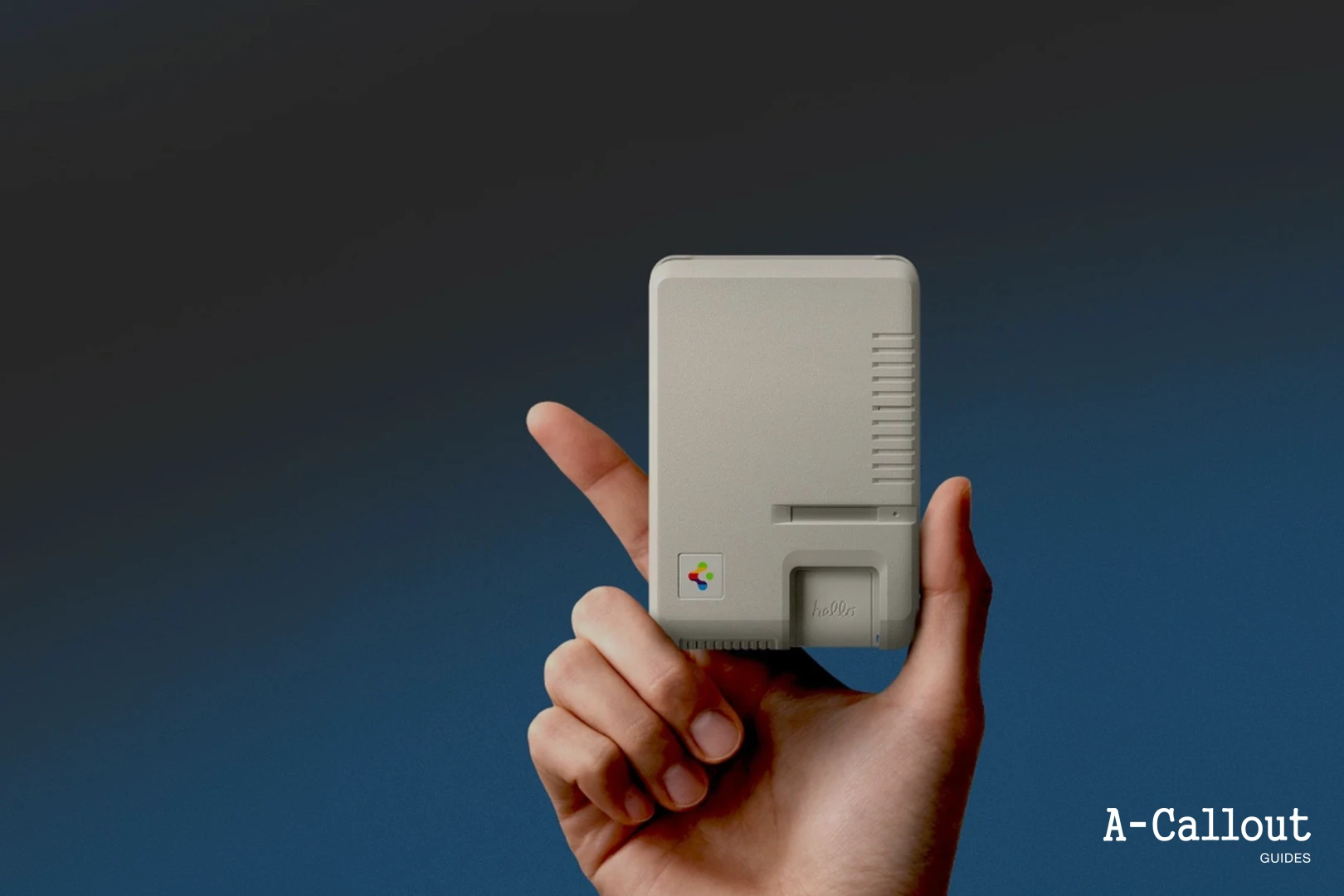
The device is built around a 7-inch recycled-aluminum body that can sit on a tabletop or mount to a wall.
Using facial recognition, it distinguishes between as many as six people, adapting the display to each user while maintaining a shared household view. In practice, that means HomeView is designed to hold both personal context and communal information: individual calendars, messages, photos, and reminders alongside broader home controls.
This is where HomeView departs from the standard smart display.
Its defining feature is not a larger screen or a more assertive voice assistant, but a shift in interaction logic. Rather than waiting for commands, it responds to presence. With Siri AI, Apple describes features like personal context understanding and onscreen awareness, extending Siri from a voice tool toward something closer to an ambient interface. The display becomes less about asking a device to perform a task and more about letting the room reorganize itself around whoever is using it.
That approach also explains the emphasis on physical design.
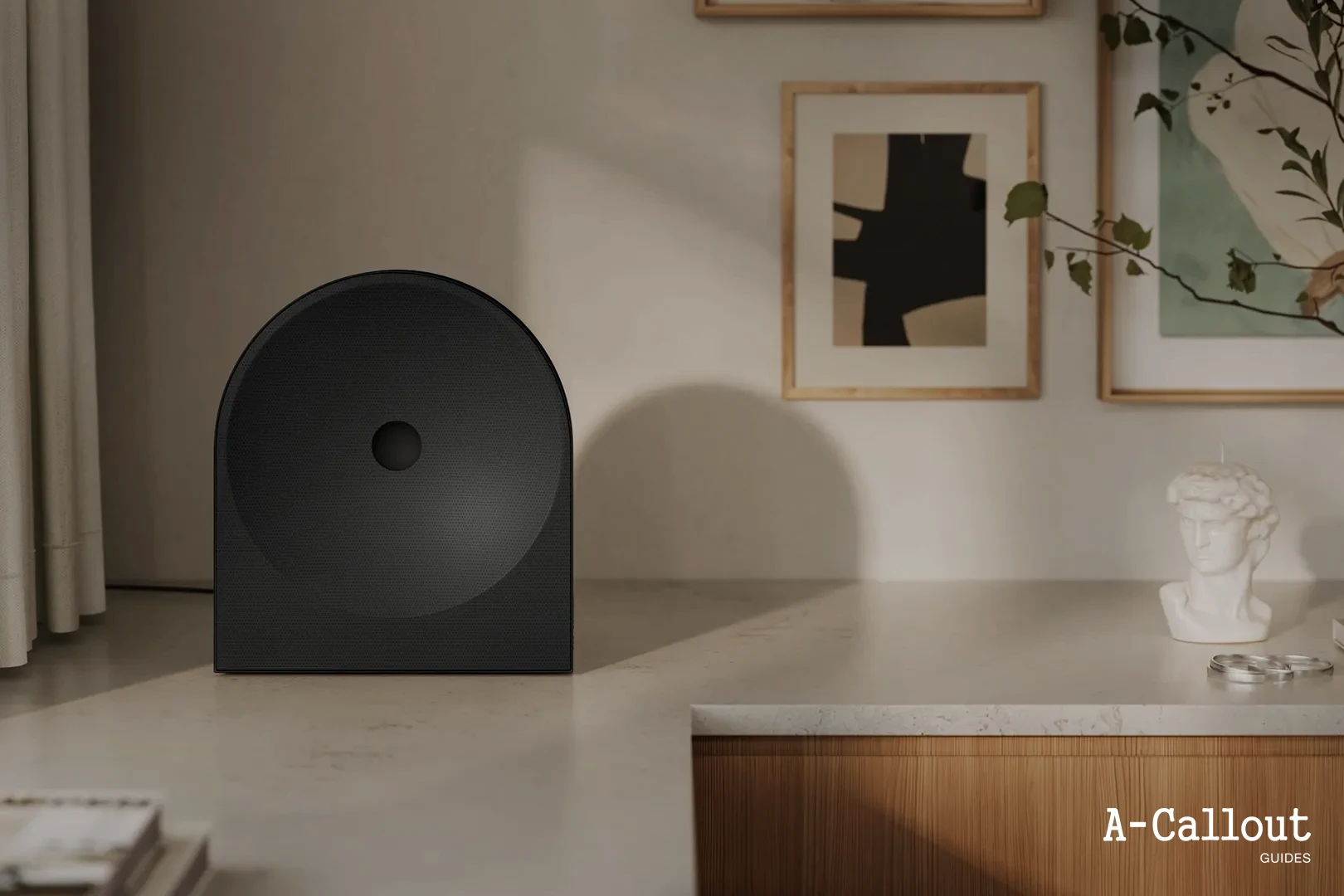
A smart home hub is not something people use once and put away. It lives on a counter, a shelf, or a wall, becoming part of the visual and social texture of the home. HomeView's restrained scale and aluminum frame suggest Apple is treating it as a permanent fixture rather than a novelty. It is designed to be present without dominating.
Comparisons with the Amazon Echo Show and Google Nest Hub are inevitable, but the emphasis differs.
Those devices helped define the smart display as convenient household utility. Apple's version leans toward a more personal and integrated model, particularly for homes already built around iPhone, iPad, Apple Watch, HomePod, and Apple's services. HomeView can also communicate with other Apple devices through intercom-style messaging and is designed to work with cameras, thermostats, and locks.
There are limits to that vision.
HomeView is not framed as a general-purpose entertainment screen, and criticism has focused on the absence of major video apps including Netflix, HBO Max, Prime Video, and MLB TV. For anyone expecting a compact streaming display, that is a real gap. But it also clarifies Apple's intent. HomeView is not trying to replace a tablet, television, or speaker. It is trying to define a more deliberate place for ambient computing in domestic life.
The underlying design question is whether the home needs another screen at all.
Apple's answer is that a screen earns its place when it becomes contextual, shared, and responsive to the rhythms of a household. HomeView's value lies not simply in displaying information, but in deciding whose information matters, when it should appear, and how quietly it can fold into everyday routine.
Seen this way, HomeView is a smart home display with architectural ambition.
It turns the interface into part of the room, treats personalization as a domestic condition rather than a user setting, and suggests that the next phase of smart home technology may be less about adding louder devices and more about making existing technology feel more considered, more situated, and more human-scaled.
October 22, 2026