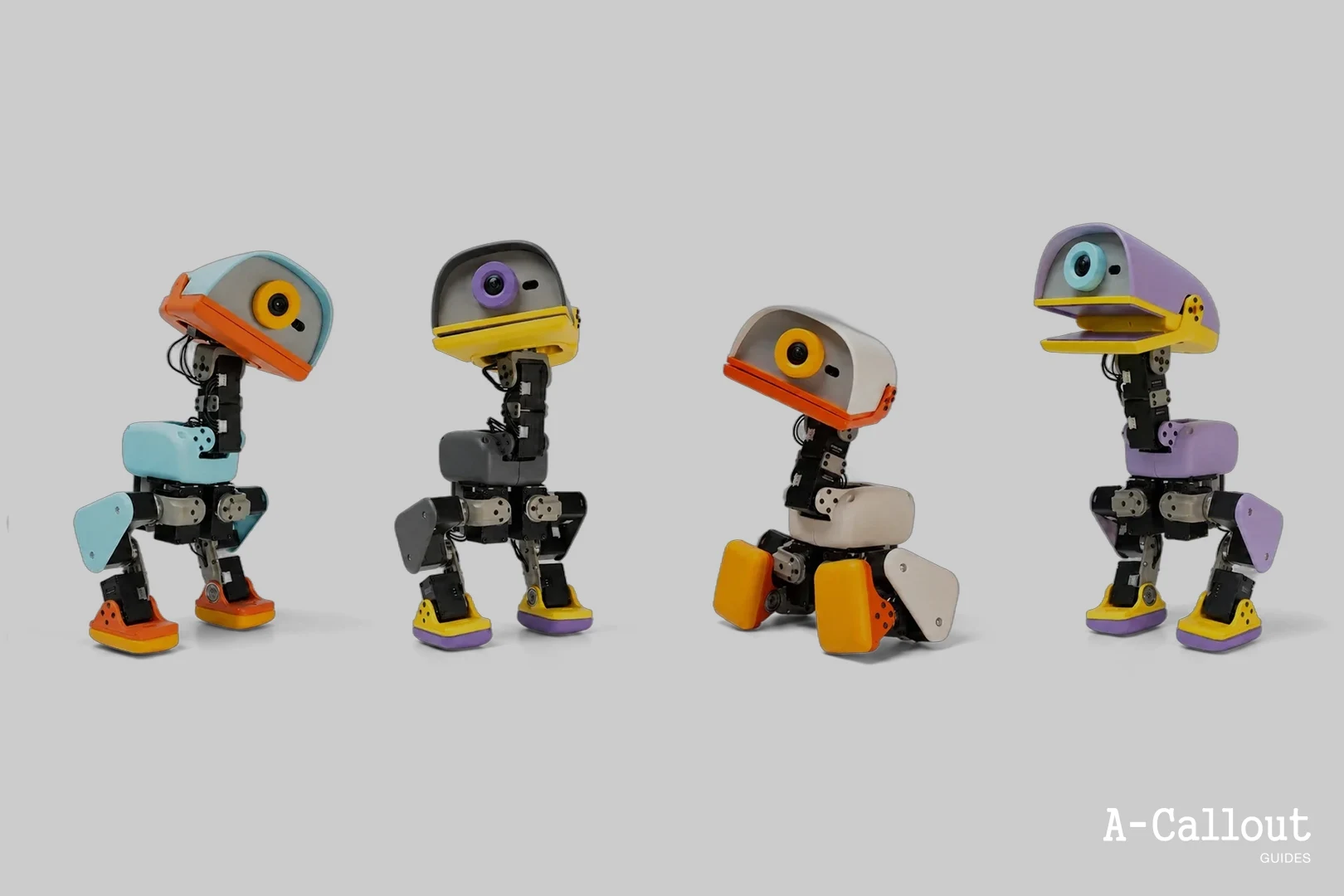
What are robots like Hyundai's MobED actually for, and why do they look so unlike the delivery bots and social robots already sharing our sidewalks? This is not about a new gadget or a friendlier machine. It's about a shift in how autonomy is designed when the goal is not interaction, but integration.
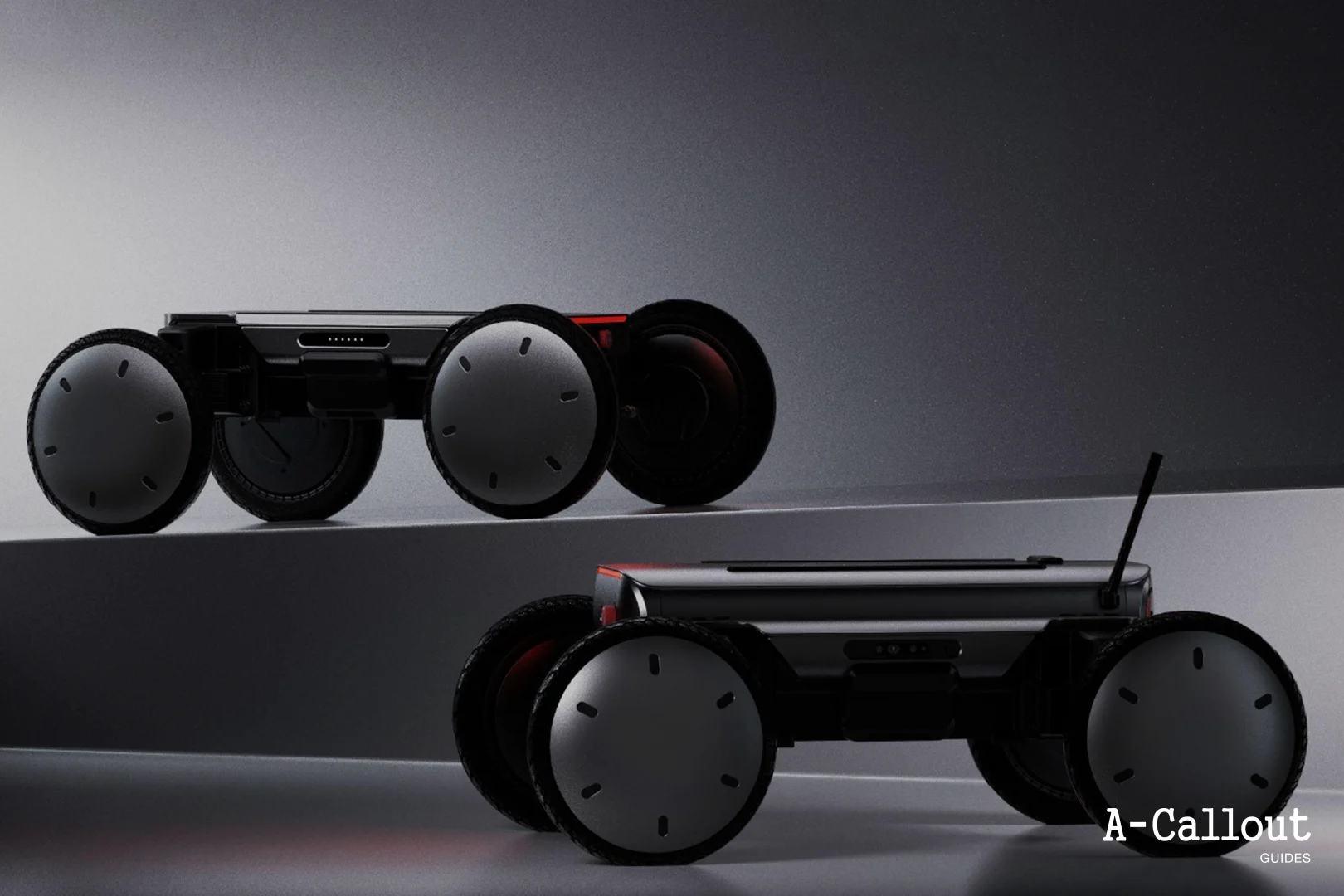
MobED resists easy classification. It is not positioned as a vehicle, nor as a companion object meant to communicate intent through eyes or exaggerated form. Instead, Hyundai Motor Group's Robotics LAB presents a low-profile, four-wheeled autonomous platform engineered with automotive discipline. Its defining feature is not personality but competence: an eccentric suspension system and rigid chassis that absorb curbs, slopes, and uneven surfaces without spectacle. By stabilizing itself mechanically and algorithmically, MobED treats the city as a continuous surface rather than a collection of exceptions. This is autonomy expressed as quiet reliability.
That design choice reframes what autonomy is for.
In a market saturated with robots designed to be understood emotionally, MobED opts for legibility through function. Sensors are embedded, not celebrated. The interface is a straightforward touchscreen rather than a simulated face. Autonomy, powered by LiDAR, cameras, and AI, surfaces only when needed to navigate crowded or confined spaces. The result is a machine that communicates neutrality and trust, closer to infrastructure than to consumer electronics.
MobED's modularity reinforces this position.
Built as a platform with universal mounting points and software interfaces, it carries tools, cameras, cargo, or specialized equipment without redefining its identity each time. This flexibility allows a single robotic base to operate across indoor and outdoor environments, research and logistics contexts, without being redesigned for each use case. Rather than multiplying single-purpose robots, MobED suggests an underlying operating system for physical work, upgradable, adaptable, and deliberately unfinished.
MobED signals a broader evolution within automotive brands themselves.
Hyundai's interest is no longer confined to moving people, but to orchestrating the movement of objects through shared space. The platform's restrained design and automotive-grade construction reinforce that ambition. MobED doesn't ask to be liked or anthropomorphized. It asks to be relied upon. In doing so, it points toward a future where autonomy fades into the background and the city quietly reorganizes itself around machines designed not to perform, but to persist.
January 15, 2026
Related Article