What is a turntable supposed to be in 2026? A ceremonial object for vinyl purists, or a seamless audio source that fits beside streaming speakers and wireless headphones? Anyone considering the Sony PS-LX3BT or PS-LX5BT is navigating this tension.
Are these serious record players, or convenience devices dressed in minimalist black? The answer is more deliberate than nostalgic. Sony's PS-LX3BT and PS-LX5BT are not retro tributes to analog ritual. They are calculated reinterpretations of the Bluetooth turntable, engineered for listeners who grew up pressing play, not balancing tonearms.
Automation as Philosophy
Both models replace counterweight adjustments and manual cueing with one-button fully automatic playback. You press start; the arm lifts, moves, and returns on its own. Vinyl becomes a format you can live with, not manage.
This shift matters because vinyl's biggest barrier has never been sound quality. It has been attention. Manual turntables reward involvement but demand it too. Sony's automatic system reframes records as something you can start and step away from, aligning analog playback with streaming-era expectations.
Wireless Without Apology
Wireless capability reinforces this position. With Bluetooth support including aptX and adaptive codecs, the PS-LX3BT and PS-LX5BT treat wireless vinyl as standard, not experimental. You can route a record through headphones or powered speakers without reorganizing a room around cables.
The built-in phono stage allows direct connection to modern audio systems, removing another layer of friction.
Design as Integration
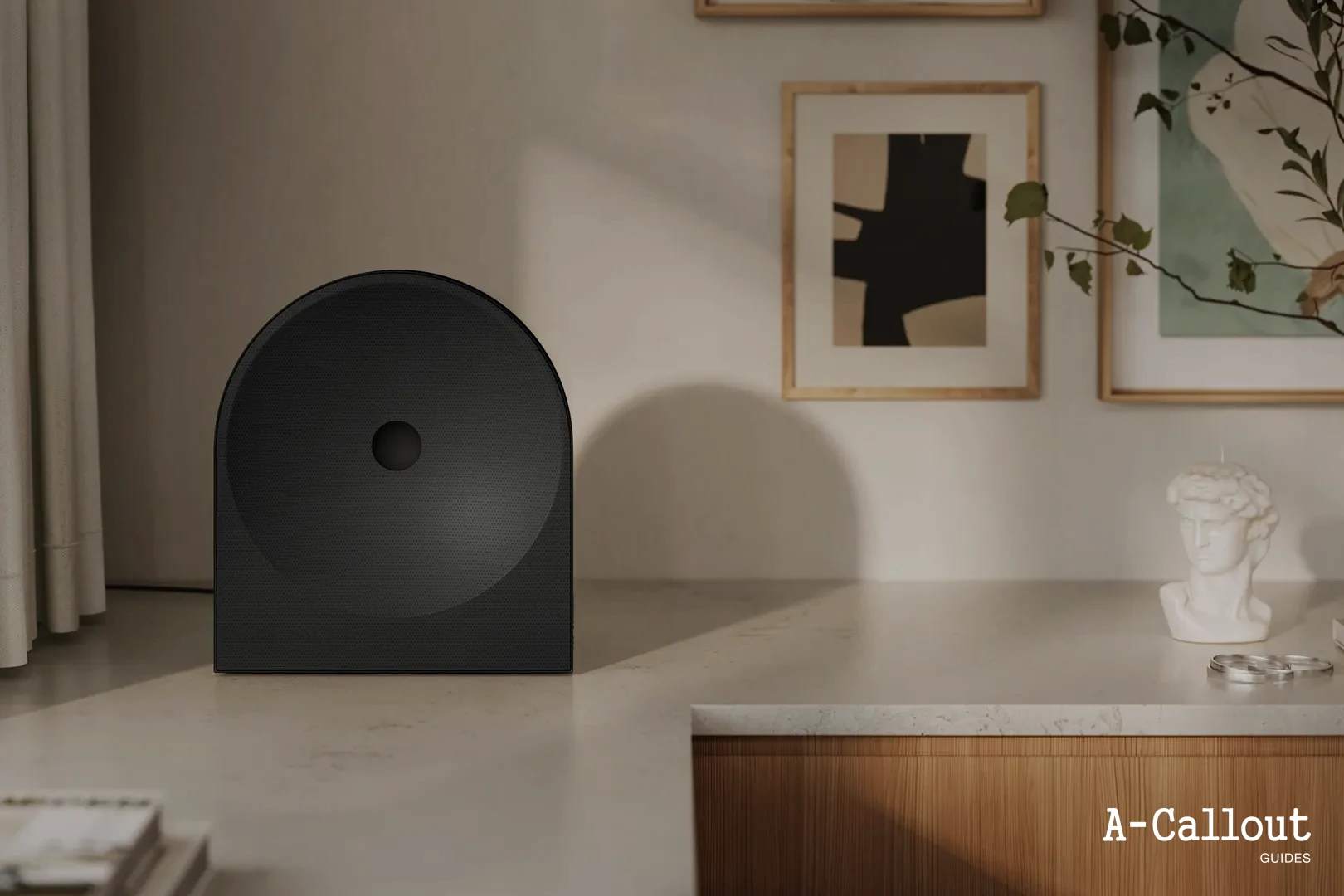
Design completes the argument. The transparent dust cover turns the spinning platter into a framed object. Surfaces are calm, controls are minimal, and the visual language aligns with contemporary consumer electronics rather than vintage hi-fi stacks.
The LX3BT, with its attached cabling and straightforward connectivity, is designed to disappear into a shelf or media console. The PS-LX5BT, while still fully automatic and belt-driven, introduces material upgrades that signal deeper performance ambitions.
Material and Performance Distinction
A more rigid chassis, aluminum tonearm, rubber platter mat, and upgraded cartridge emphasize stability. Gold-plated output jacks and refined internal circuitry suggest that wired listening remains important, even in a Bluetooth era. It is a convenience-forward model tuned for better focus and reduced vibration.
The distinction between models clarifies Sony's segmentation. The PS-LX3BT is about accessibility: built-in phono equalizer, included cable, minimal setup, stable tracking. The PS-LX5BT shifts toward refinement, rewarding users who connect to dedicated stereo systems and pay closer attention to soundstage and detail.
Repositioning the Record Player
Both maintain automatic operation, USB output with adjustable gain for digitizing records, and compatibility with 33 and 45 RPM playback. The core architecture remains belt drive and moving magnet cartridge.
These turntables will not satisfy listeners who equate vinyl with full manual control. For those users, auto-play can feel like the removal of ritual. But that is precisely Sony's point. The PS-LX3BT and PS-LX5BT assume that vinyl is not a weekend hobby set apart from your audio life. It is one source among many. The real innovation is not Bluetooth or automation. It is the repositioning of the record player itself. Sony is betting that modern listeners want physical media on their own terms: optional, seamless, integrated with wireless ecosystems, and aesthetically aligned with contemporary interiors. The PS-LX3BT and PS-LX5BT suggest that the future of vinyl may not be about revival, but about normalization.
February 19, 2026