Spigen's Classic LS MagSafe Wallet: A Tactile Link to Apple's Design Heritage

Spigen’s Classic LS MagSafe Wallet combines a slim, three-card magnetic holder with a tactile homage to the Macintosh 128K, embedding computing history into an everyday iPhone accessory.

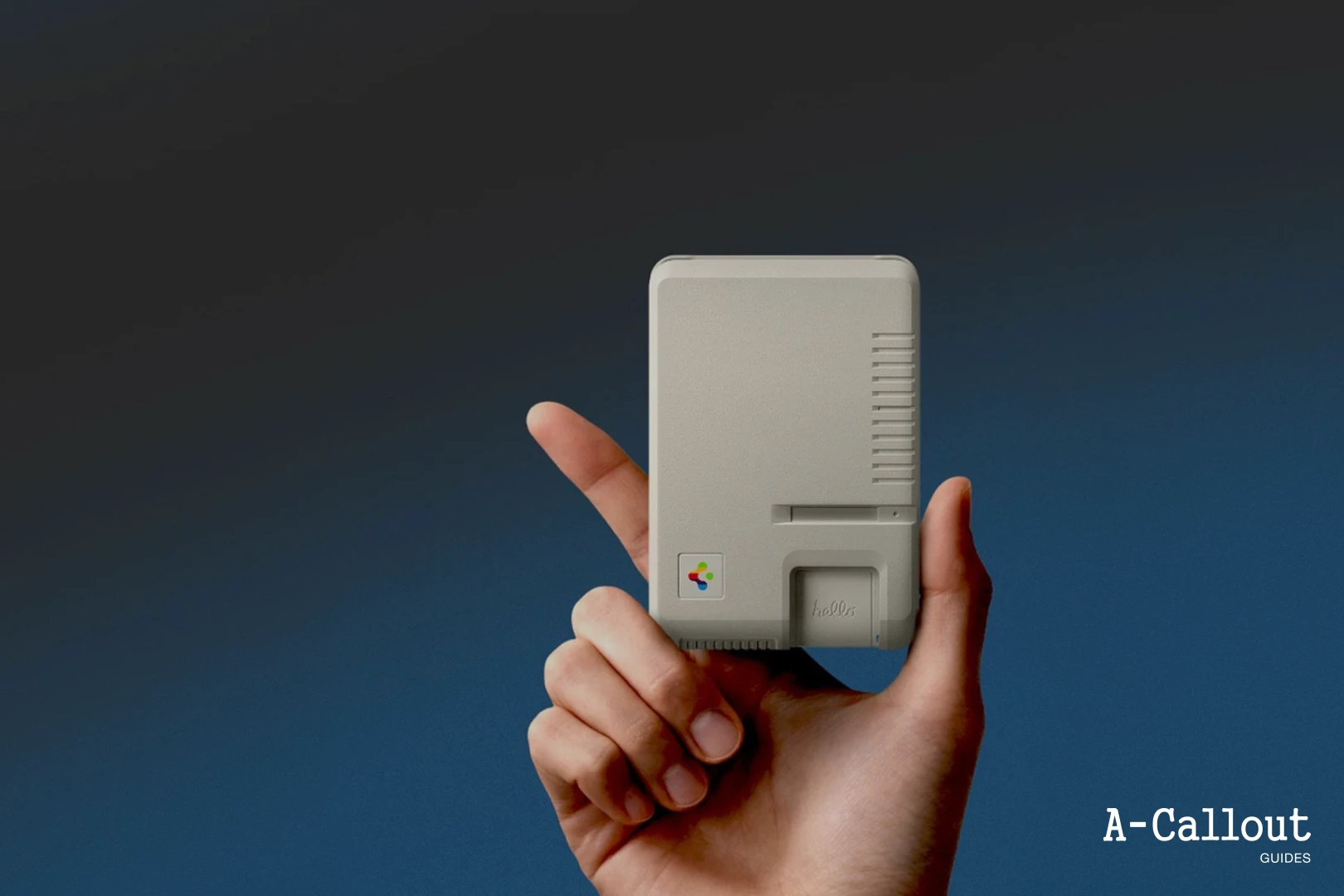
Why would anyone want a MagSafe wallet that looks like a 1984 computer? In an era of seamless glass slabs and disappearing interfaces, the appeal of a retro iPhone accessory can seem purely nostalgic. The real question is more specific: what does it mean to put a miniature Macintosh 128K on the back of your iPhone, and why does that resonate now? Spigen's Classic LS MagSafe Wallet answers by doing more than holding three cards. It transforms the iPhone's surface into a tactile homage to the original Macintosh. The beige shell, faux floppy disk slot, pixelated "hello," and rainbow-accented details are direct citations of early Apple hardware, scaled down as a daily-use object.

Functionally, this is a slim MagSafe wallet. It attaches magnetically to compatible iPhones, holds up to three cards, and includes a cutout for easy card access. The magnetic connection is reinforced with a non-slip grip for secure alignment. Its proportions add storage without dramatically increasing bulk - baseline expectations in this category. What distinguishes the Classic LS is that it treats those requirements as backdrop, not headline.


Design as Historical Reference

The design asserts an identity grounded in computing history. The textured lines, floppy disk-style detailing, and classic color palette echo the Macintosh 128K and Lisa era, reframing a contemporary smartphone as part of a longer design lineage.

This approach sits within a broader wave of vintage-inspired Apple accessories. But the Classic LS is particularly focused: the Macintosh 128K was defined by its all-in-one form, approachable proportions, and iconic "hello" graphic. Translating those cues onto a MagSafe card holder creates a layered object - a digital-native phone carrying a physical reminder of early personal computing.

Tactility in a Frictionless Era

There is also a shift in how nostalgia functions here. This is not a novelty case meant to be glanced at and forgotten. Because a MagSafe wallet is handled, removed, and reattached daily, it becomes an interface you feel. The faux floppy slot and relief patterns introduce texture to the otherwise smooth iPhone back. In a culture of frictionless technology, that tactility becomes meaningful.

Utility Meets Concept

The Classic LS operates on two levels. Practically, it is a compact card holder with reliable magnetic attachment. Conceptually, it resists the drive toward neutral accessories, making the phone's back expressive and reminding users that today's smartphone descends from a specific design history - one shaped by beige plastics, pixel typography, and early computing optimism.

Continuity Over Decoration

For those seeking a retro Apple accessory or vintage-inspired MagSafe wallet, the relevance is straightforward: this product merges utility with design heritage. It does not treat computing history as a theme printed on a surface but embeds it into an everyday object. Spigen's Classic LS MagSafe Wallet is less about decoration and more about continuity. It suggests technology does not need to disappear entirely to feel sophisticated. Sometimes, progress is better expressed by remembering where it began - and carrying that reference with you.

April 16, 2026

next up

The LEGO Air Max 95 Neon Turns a Sneaker Icon Into a Study in Design

The 1,213-piece Nike and LEGO Air Max 95 collaboration reframes the heritage sneaker as a buildable archive, transforming a performance icon into a dissectible display object.

April 9, 2026

GUIDES
How the Nothing Headphone (a) Redefines Affordable Over-Ear Audio

The Nothing Headphone (a) reframes entry-level wireless audio with extended battery life, tactile controls, durable design, and balanced performance that prioritizes everyday reliability over flagship excess.

April 2, 2026

GUIDES
The MacBook Neo Asks: What If Less Were the Point?

An examination of Apple’s $599 MacBook Neo as a deliberately restrained, expressive alternative that reframes laptop value around sufficiency, personality, and environmental consideration rather than maximal performance.

March 26, 2026
GUIDES
Galaxy S26 Ultra: When Discretion Becomes the Premium Feature

The Galaxy S26 Ultra shifts Samsung’s flagship philosophy toward discretion, centering a hardware-integrated Privacy Display and refined design that prioritize attention control over spectacle and overt material expression.

March 19, 2026
GUIDES
Sony WF-1000XM6: When Premium Earbuds Disappear Into Daily Life

Sony’s WF-1000XM6 reframes premium earbuds as adaptive, unobtrusive infrastructure for modern attention, emphasizing natural sound, calibrated noise cancellation, and software-driven control over headline-grabbing specifications.

March 12, 2026

GUIDES
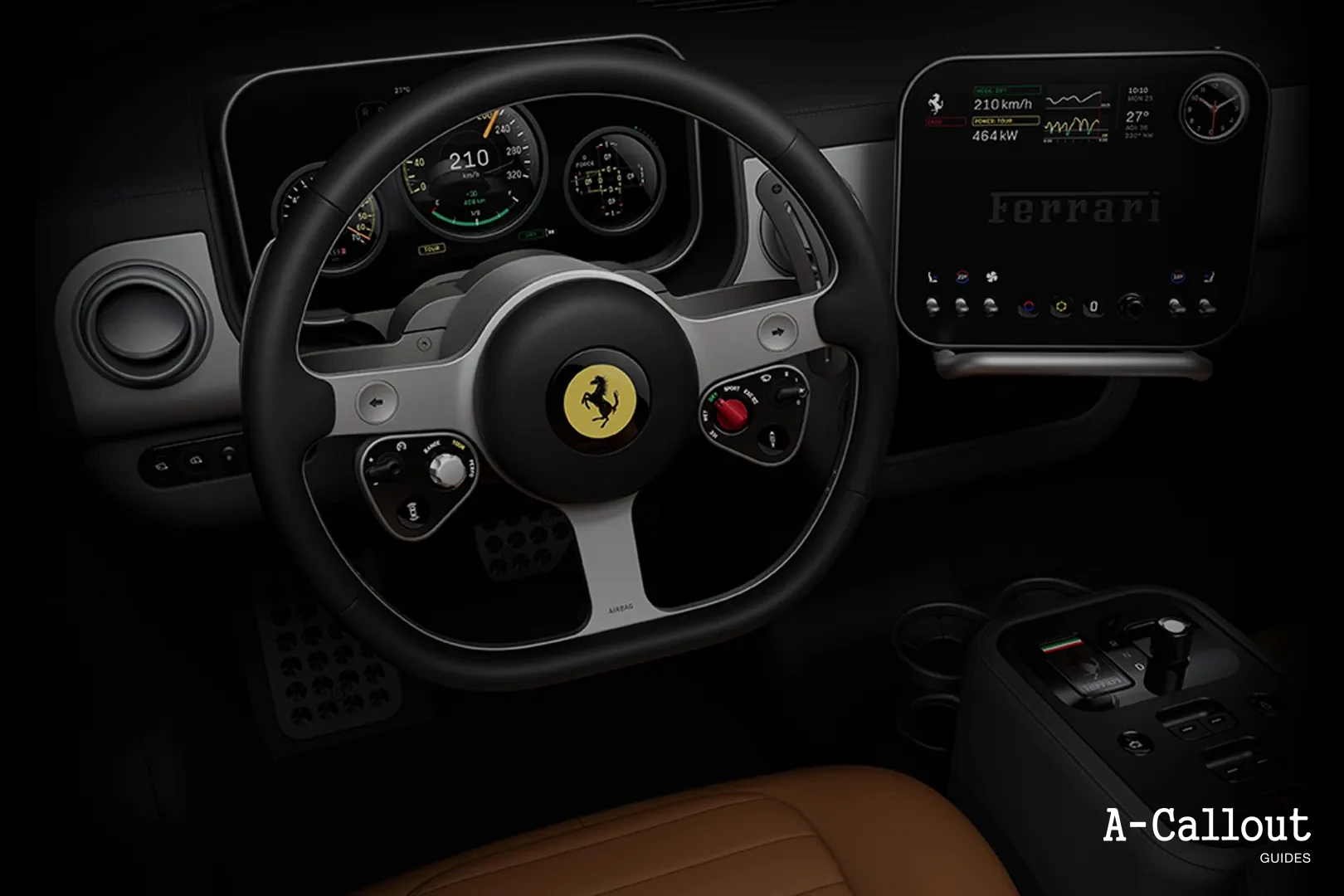
Ferrari Luce: How Craft, Not Screens, Defines the Electric Interior

Ferrari’s first electric model, developed with Jony Ive and LoveFrom, prioritizes tactile controls, material precision, and restrained digital integration over screen-driven spectacle.

March 5, 2026
GUIDES
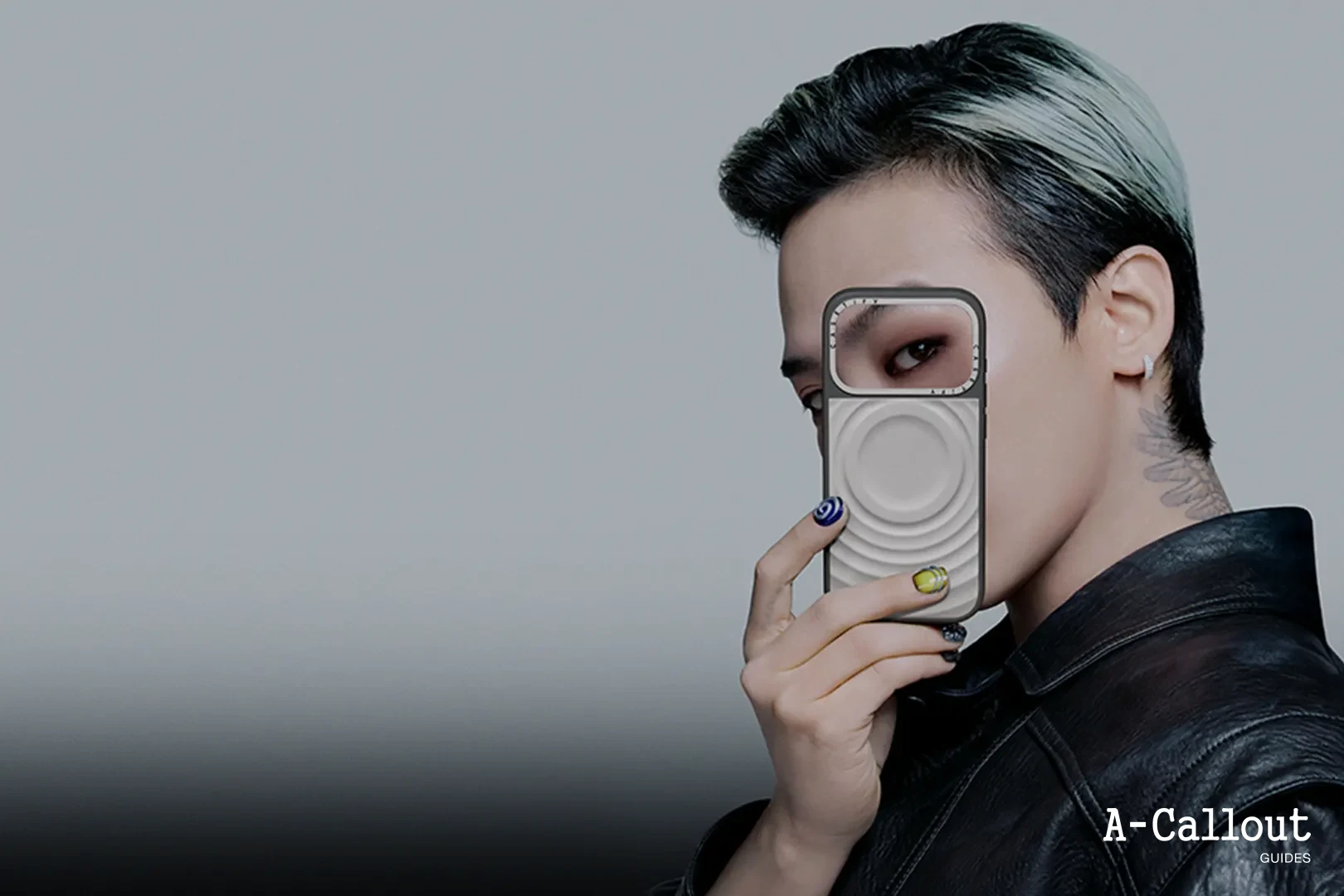
How CASETiFY and G-DRAGON Turned the Phone Case Into Fashion Infrastructure

CASETiFY’s 15th anniversary CHROMATIC collaboration with G-DRAGON reframes the phone case as fashion infrastructure, emphasizing material presence, modular design, and artist-led direction over surface graphics or branding.

February 26, 2026

GUIDES
Sony PS-LX3BT and PS-LX5BT: Vinyl Without the Ritual

Sony’s PS-LX3BT and PS-LX5BT reposition the turntable as a fully automatic, Bluetooth-enabled audio source designed to integrate seamlessly with contemporary wireless listening ecosystems.

February 19, 2026
GUIDES
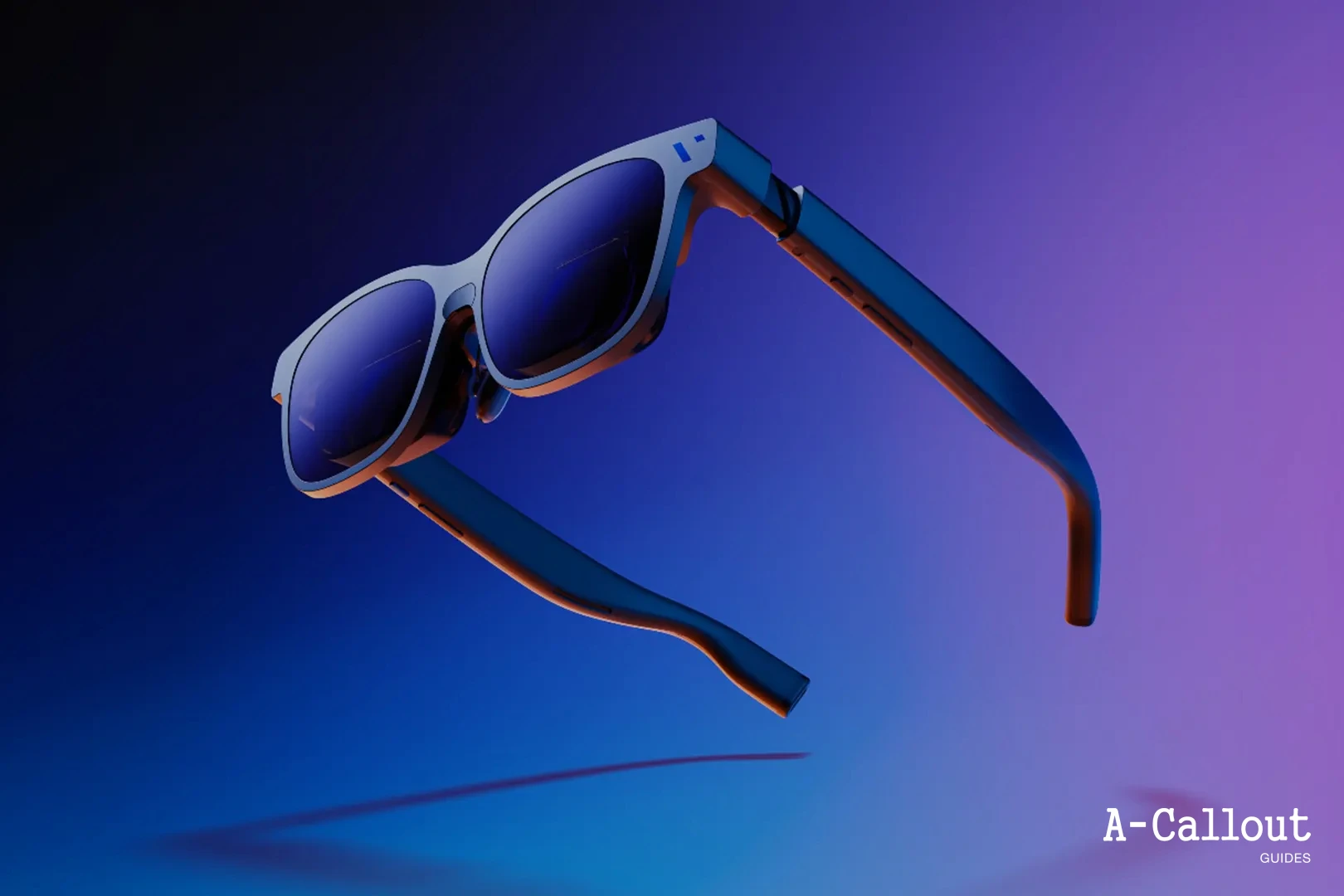
The Anti-Gadget Approach: Why VITURE's The Beast Bets on Invisible XR

VITURE’s The Beast reframes XR glasses as a discreet, spatial workstation, favoring comfort, daylight usability, and anchored virtual screens that support ordinary tasks without demanding attention.

February 12, 2026
GUIDES
Audi's R26: Formula 1 as Brand Infrastructure

Audi’s R26 presents Formula 1 as a brand operating system, using integrated design, in-house engineering, and partnerships to prototype identity beyond immediate racing results.

February 5, 2026

GUIDES
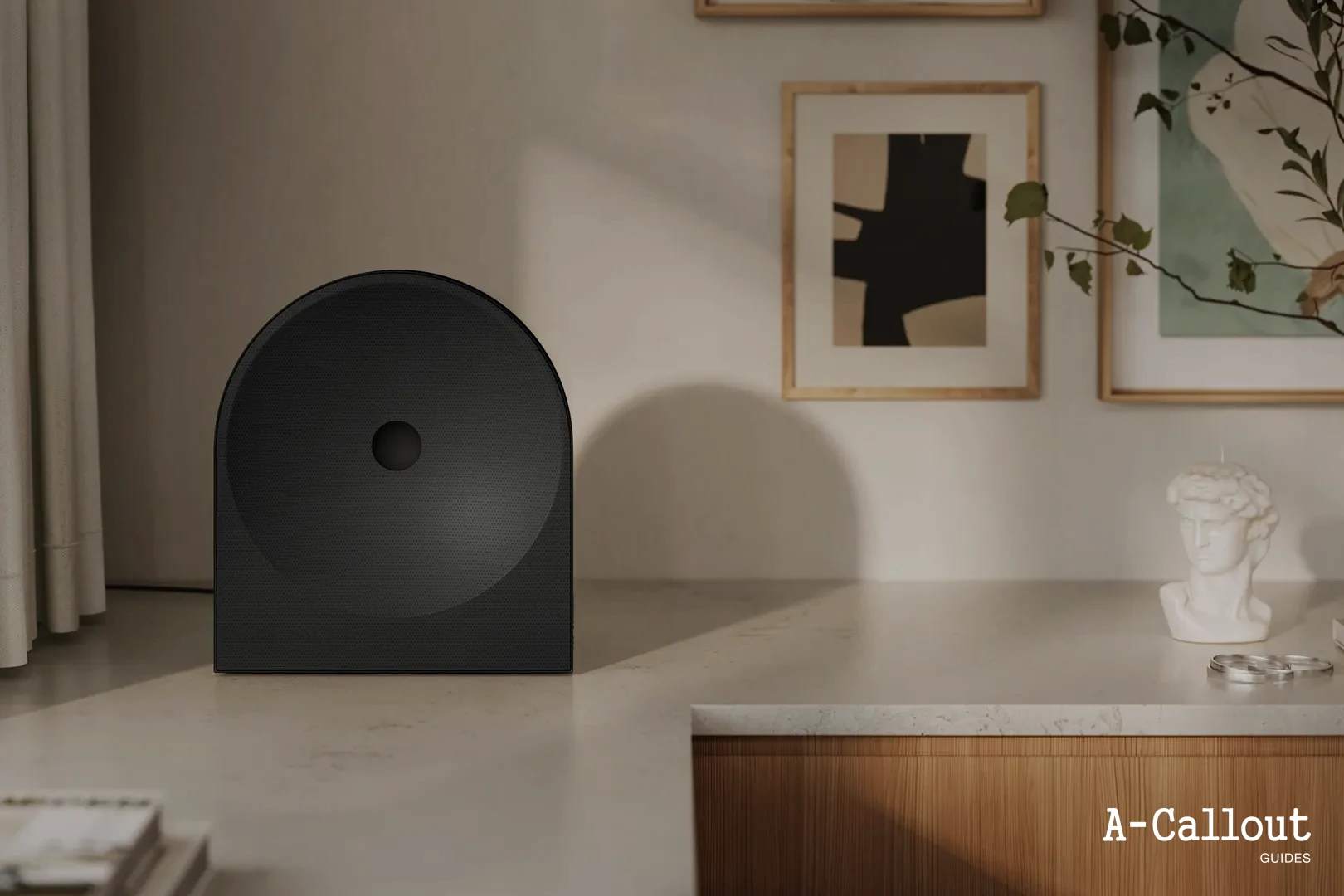
Samsung Music Studio 5 and 7: When Speakers Become Furniture

Samsung’s Music Studio 5 and 7 present speakers as restrained interior objects, combining controlled, AI-tuned sound, spatial projection, and seamless connectivity to integrate audio quietly into living spaces.

January 29, 2026

GUIDES
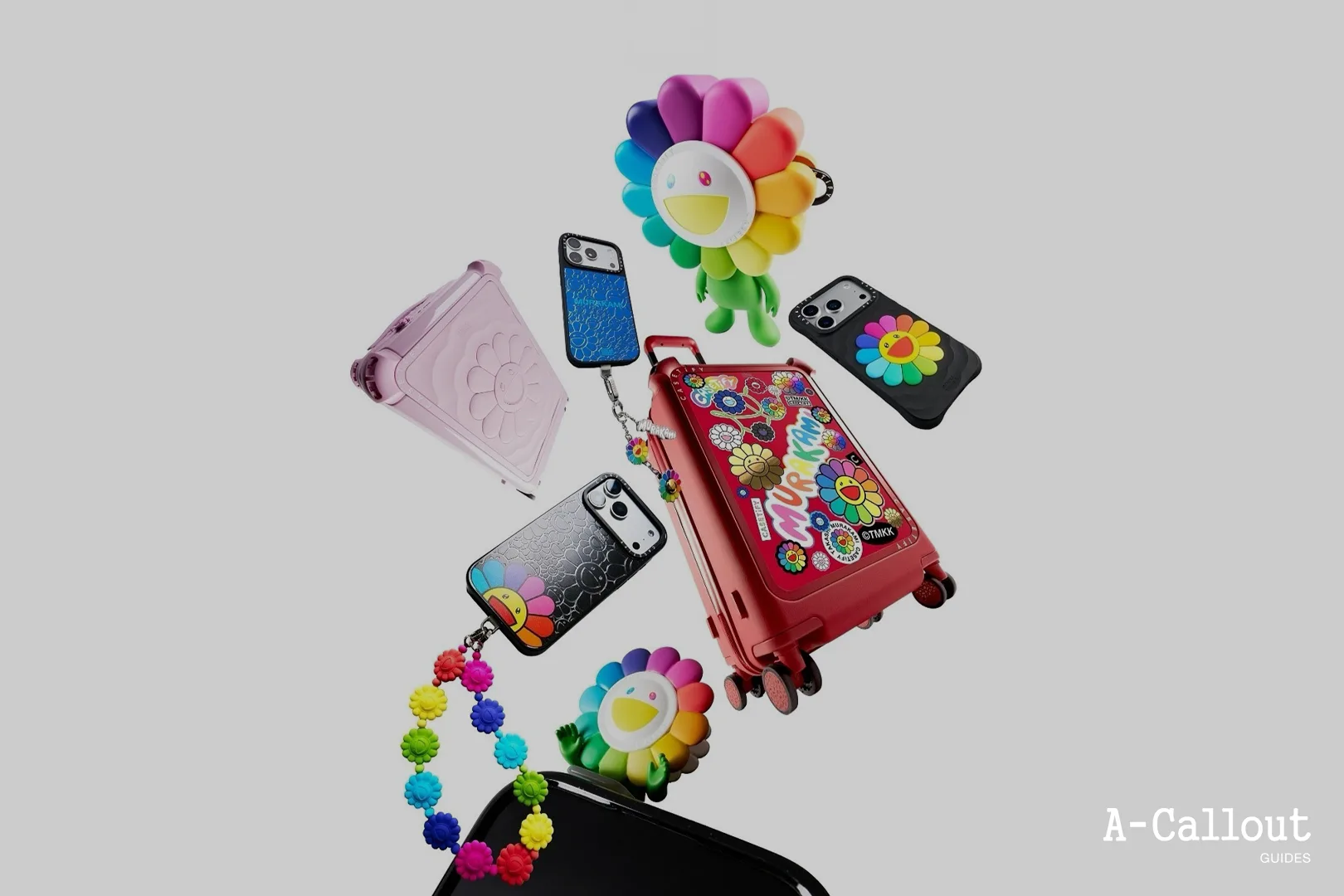
Murakami's CASETiFY Collection Turns Tech Accessories Into Wearable Art Archives

The Murakami x CASETiFY Flowers Bloom collection reframes tech accessories as cultural containers, using setsugetsuka, modular systems, and participatory scarcity to position ownership as ongoing engagement.

January 23, 2026

GUIDES
MobED and the Quiet Rise of Platform Robotics

Hyundai’s MobED exemplifies a shift toward autonomous systems designed for integration, emphasizing mechanical stability, embedded sensing, and modular adaptability over interaction, personality, or spectacle.

January 15, 2026

GUIDES