The MPC Sample and the Era of Pocket-Sized Professional Samplers

The Akai MPC Sample is a battery-powered, sub‑$500 sampler that pairs classic MPC design cues with modern sequencing, portable recording, and streamlined workflow for mobile music production.

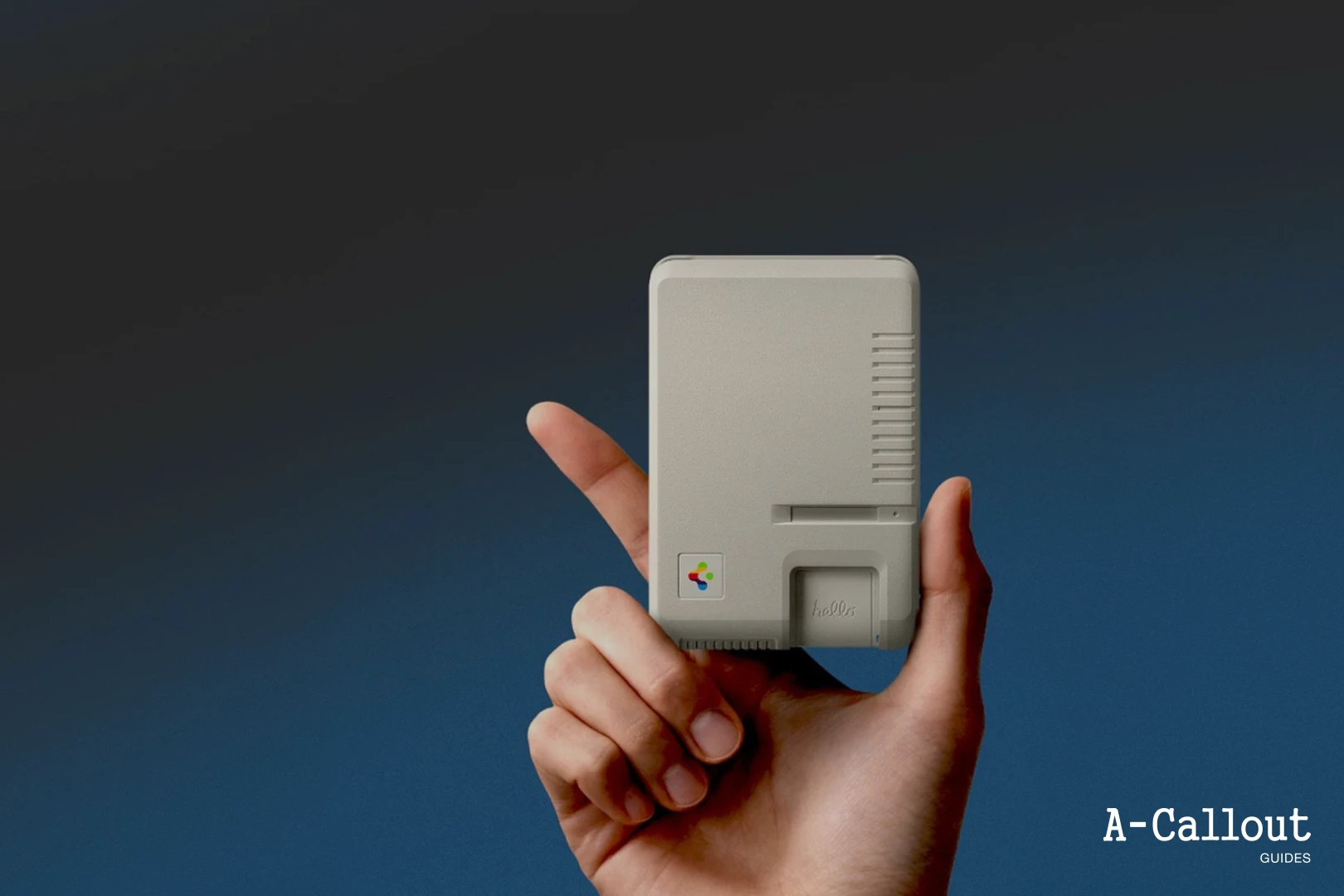
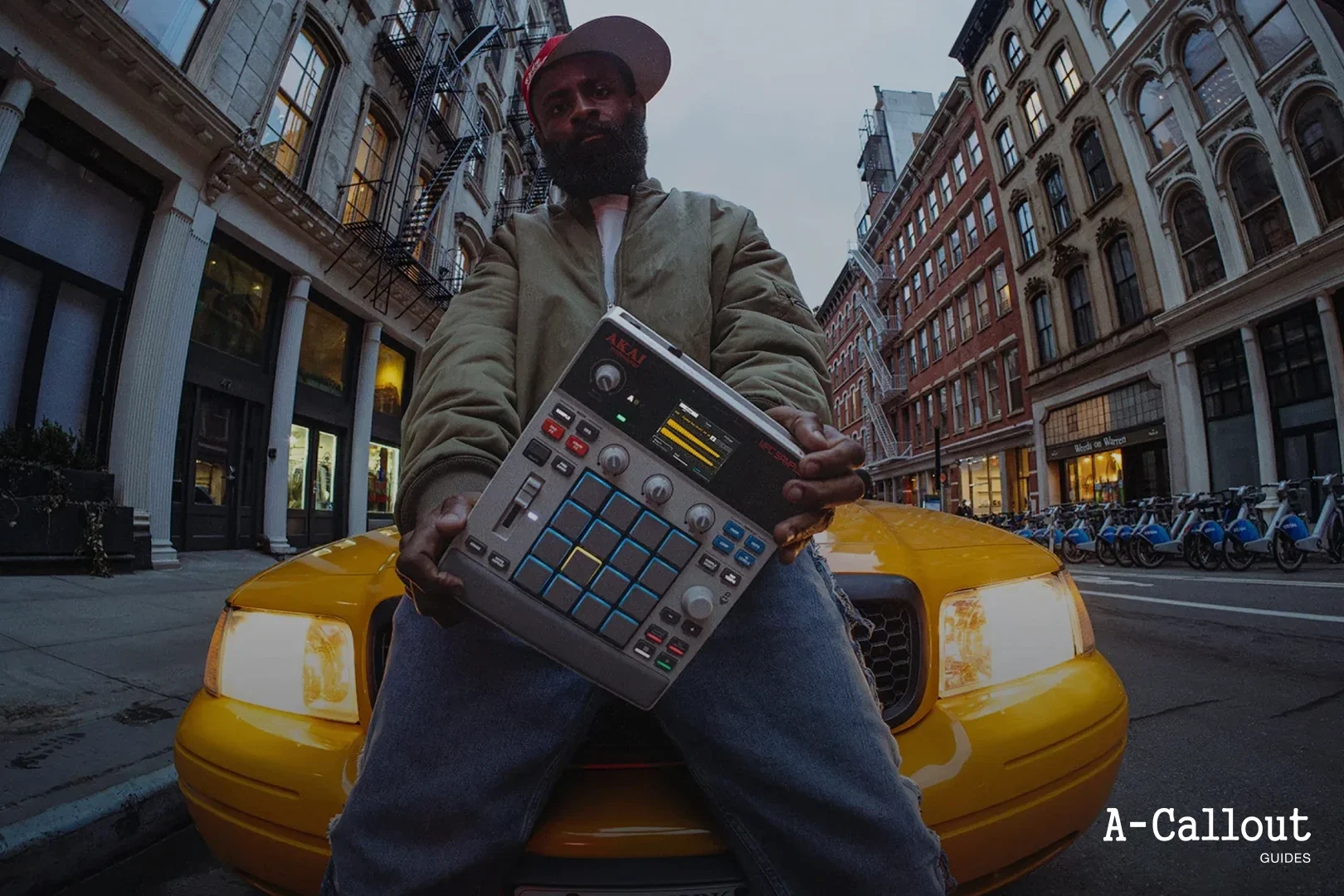
What is the Akai MPC Sample? For anyone trying to understand where it fits among classic samplers, modern grooveboxes, and portable beat machines, the answer is specific. The MPC Sample represents a new standard in music hardware: professional-grade instruments deliberately designed as everyday carry objects. At first glance, the cues are explicit. The Pantone-grey housing, old-school Akai logo, parameter fader, and soft wrist rest recall Roger Linn's 1988 MPC60, the machine that defined modern sampling culture. The MPC Sample revives this visual and tactile language without replicating the original's bulk, price, or limitations. It weighs under a kilogram, runs on a rechargeable battery, and costs $399.

This is retrofuturism: the physical memory of 1988 enclosing a workflow built for 2026. Its 16 RGB pads with polyphonic aftertouch, modern MPC sequencing with 960 ppqn swing, onboard effects, time-stretching, and repitching form a compact production system. The internal microphone and speaker shift the instrument's center of gravity. You can sample a piano in the street, ocean textures on a boardwalk, or audio over USB-C, and begin shaping patterns immediately.


In an era when many MPC models resemble self-contained DAWs with large touchscreens and deep menus, the MPC Sample intentionally narrows the frame.

It focuses on recording, chopping, sequencing, and arranging samples. Its small 2.4-inch screen handles waveform editing; its controls are pared back to what accelerates flow. This streamlined approach is not a limitation but a boundary that encourages momentum.

The workflow favors action over browsing, patterns over plugins.

That focus matters in a crowded sub-$500 market of portable samplers and grooveboxes.

Devices from Roland, Teenage Engineering, Elektron, and others offer distinct strengths. The MPC Sample distinguishes itself through balance and clarity. It may not dominate any single category, but its sequencing heritage, intuitive chopping, and familiar pad feel create a frictionless path from raw sound to structured beat. For many aspiring beat makers, that fluency is the deciding factor.

The contrast with the MPC60 underscores how much the form has evolved.

The original offered seconds of sample time and erased memory when sampling. The MPC Sample provides gigabytes of storage, dozens of effects, disk streaming, and modern connectivity. Balanced TRS ins and outs, MIDI, sync, USB-C, and microSD expansion position it as a fully integrated instrument. Yet the core behaviors remain intact.

Culturally, the timing is precise.

Sampling no longer depends on crates of vinyl; it often begins with audio captured on the fly or transferred digitally. Producers move fluidly between laptops and hardware. An MPC that fits in a backpack and encourages field recording reflects a broader shift: music production as a mobile practice rather than a studio ritual.

The MPC Sample also reframes what entry-level can mean.

While positioned at an accessible price, it is not designed as a toy. Its RGB pads, poly aftertouch, real-time effects, and song mode allow for complete compositions. The integrated tools for chopping recall why the MPC method became foundational in hip-hop, house, jungle, and beyond. The difference is that the path from idea to export is now measured in minutes and meters walked, not hours in a control room.

Seen this way, the MPC Sample is less a miniature of the past and more a prototype for a category: compact, battery-powered, professionally credible instruments that live with you.

It suggests a future in which serious music hardware adopts the scale and immediacy of everyday objects, where a sampler is as portable as a notebook and the beat is built before you even make it home.

April 23, 2026

next up

Spigen's Classic LS MagSafe Wallet: A Tactile Link to Apple's Design Heritage

Spigen’s Classic LS MagSafe Wallet combines a slim, three-card magnetic holder with a tactile homage to the Macintosh 128K, embedding computing history into an everyday iPhone accessory.

April 16, 2026

GUIDES
The LEGO Air Max 95 Neon Turns a Sneaker Icon Into a Study in Design

The 1,213-piece Nike and LEGO Air Max 95 collaboration reframes the heritage sneaker as a buildable archive, transforming a performance icon into a dissectible display object.

April 9, 2026

GUIDES
How the Nothing Headphone (a) Redefines Affordable Over-Ear Audio

The Nothing Headphone (a) reframes entry-level wireless audio with extended battery life, tactile controls, durable design, and balanced performance that prioritizes everyday reliability over flagship excess.

April 2, 2026

GUIDES
The MacBook Neo Asks: What If Less Were the Point?

An examination of Apple’s $599 MacBook Neo as a deliberately restrained, expressive alternative that reframes laptop value around sufficiency, personality, and environmental consideration rather than maximal performance.

March 26, 2026

GUIDES
Galaxy S26 Ultra: When Discretion Becomes the Premium Feature

The Galaxy S26 Ultra shifts Samsung’s flagship philosophy toward discretion, centering a hardware-integrated Privacy Display and refined design that prioritize attention control over spectacle and overt material expression.
March 19, 2026

GUIDES
Sony WF-1000XM6: When Premium Earbuds Disappear Into Daily Life

Sony’s WF-1000XM6 reframes premium earbuds as adaptive, unobtrusive infrastructure for modern attention, emphasizing natural sound, calibrated noise cancellation, and software-driven control over headline-grabbing specifications.

March 12, 2026

GUIDES
Ferrari Luce: How Craft, Not Screens, Defines the Electric Interior

Ferrari’s first electric model, developed with Jony Ive and LoveFrom, prioritizes tactile controls, material precision, and restrained digital integration over screen-driven spectacle.

March 5, 2026

GUIDES
How CASETiFY and G-DRAGON Turned the Phone Case Into Fashion Infrastructure
CASETiFY’s 15th anniversary CHROMATIC collaboration with G-DRAGON reframes the phone case as fashion infrastructure, emphasizing material presence, modular design, and artist-led direction over surface graphics or branding.

February 26, 2026

GUIDES
Sony PS-LX3BT and PS-LX5BT: Vinyl Without the Ritual

Sony’s PS-LX3BT and PS-LX5BT reposition the turntable as a fully automatic, Bluetooth-enabled audio source designed to integrate seamlessly with contemporary wireless listening ecosystems.

February 19, 2026

GUIDES
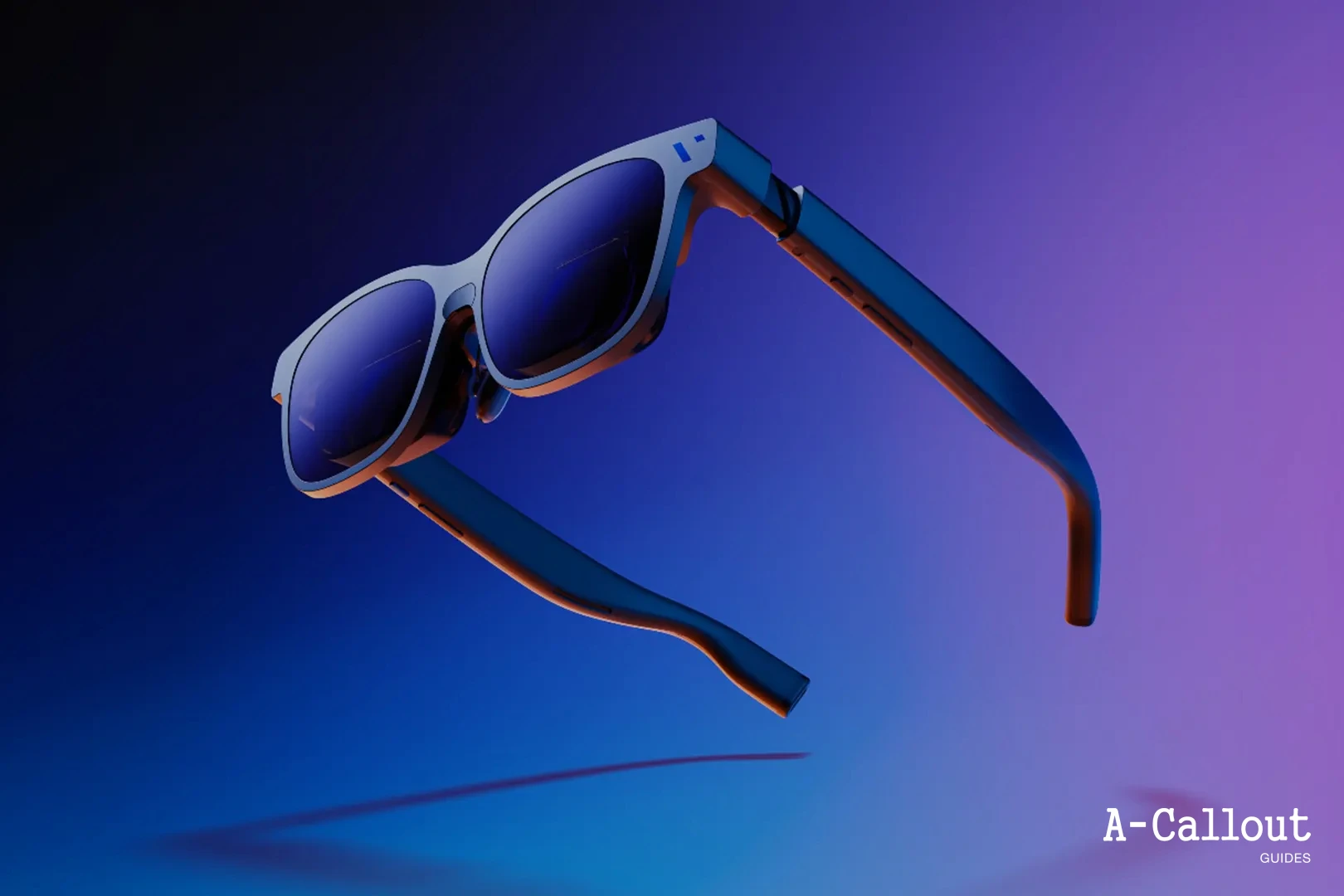
The Anti-Gadget Approach: Why VITURE's The Beast Bets on Invisible XR

VITURE’s The Beast reframes XR glasses as a discreet, spatial workstation, favoring comfort, daylight usability, and anchored virtual screens that support ordinary tasks without demanding attention.

February 12, 2026

GUIDES
Audi's R26: Formula 1 as Brand Infrastructure

Audi’s R26 presents Formula 1 as a brand operating system, using integrated design, in-house engineering, and partnerships to prototype identity beyond immediate racing results.

February 5, 2026

GUIDES
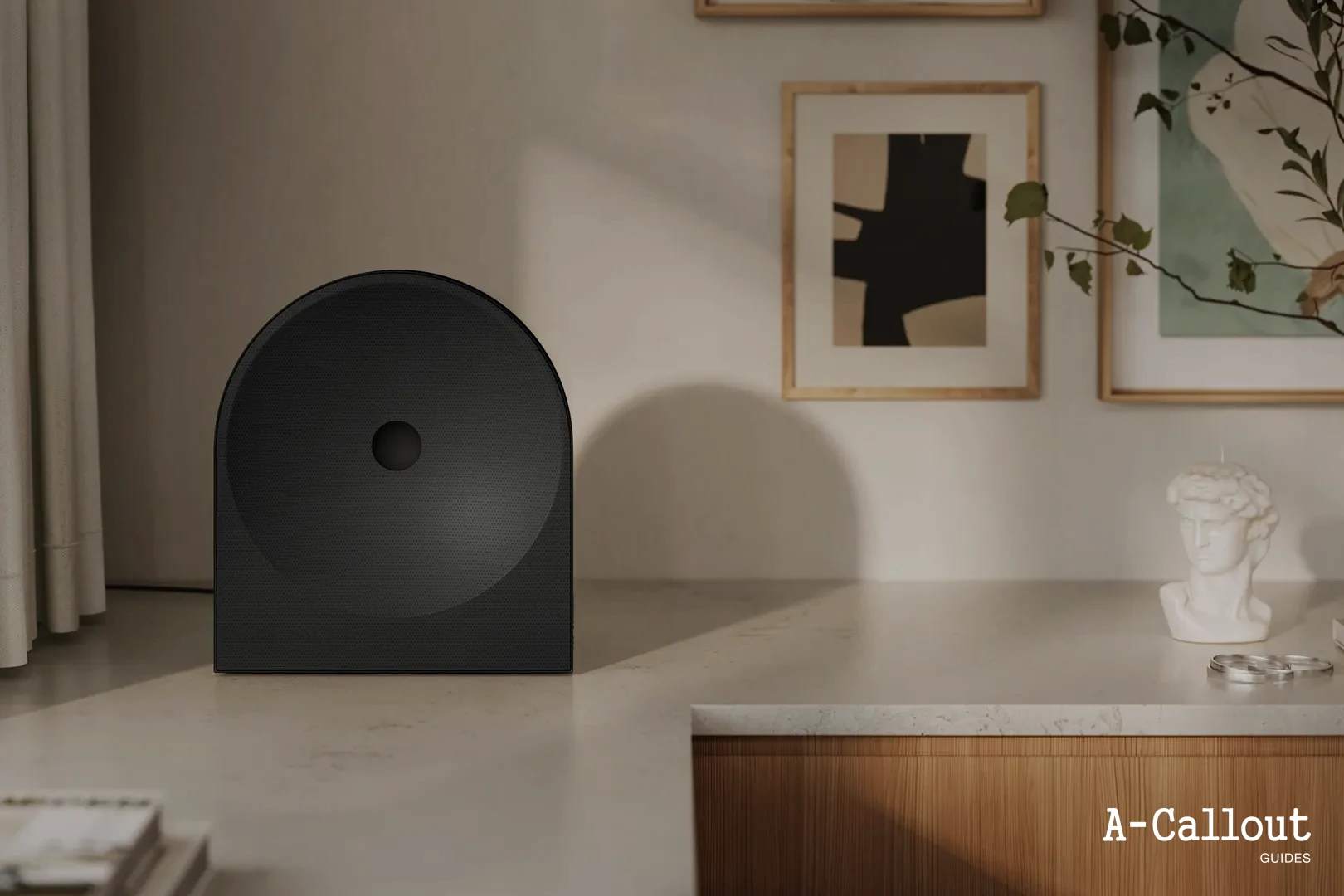
Samsung Music Studio 5 and 7: When Speakers Become Furniture

Samsung’s Music Studio 5 and 7 present speakers as restrained interior objects, combining controlled, AI-tuned sound, spatial projection, and seamless connectivity to integrate audio quietly into living spaces.

January 29, 2026

GUIDES
Murakami's CASETiFY Collection Turns Tech Accessories Into Wearable Art Archives

The Murakami x CASETiFY Flowers Bloom collection reframes tech accessories as cultural containers, using setsugetsuka, modular systems, and participatory scarcity to position ownership as ongoing engagement.

January 23, 2026

GUIDES
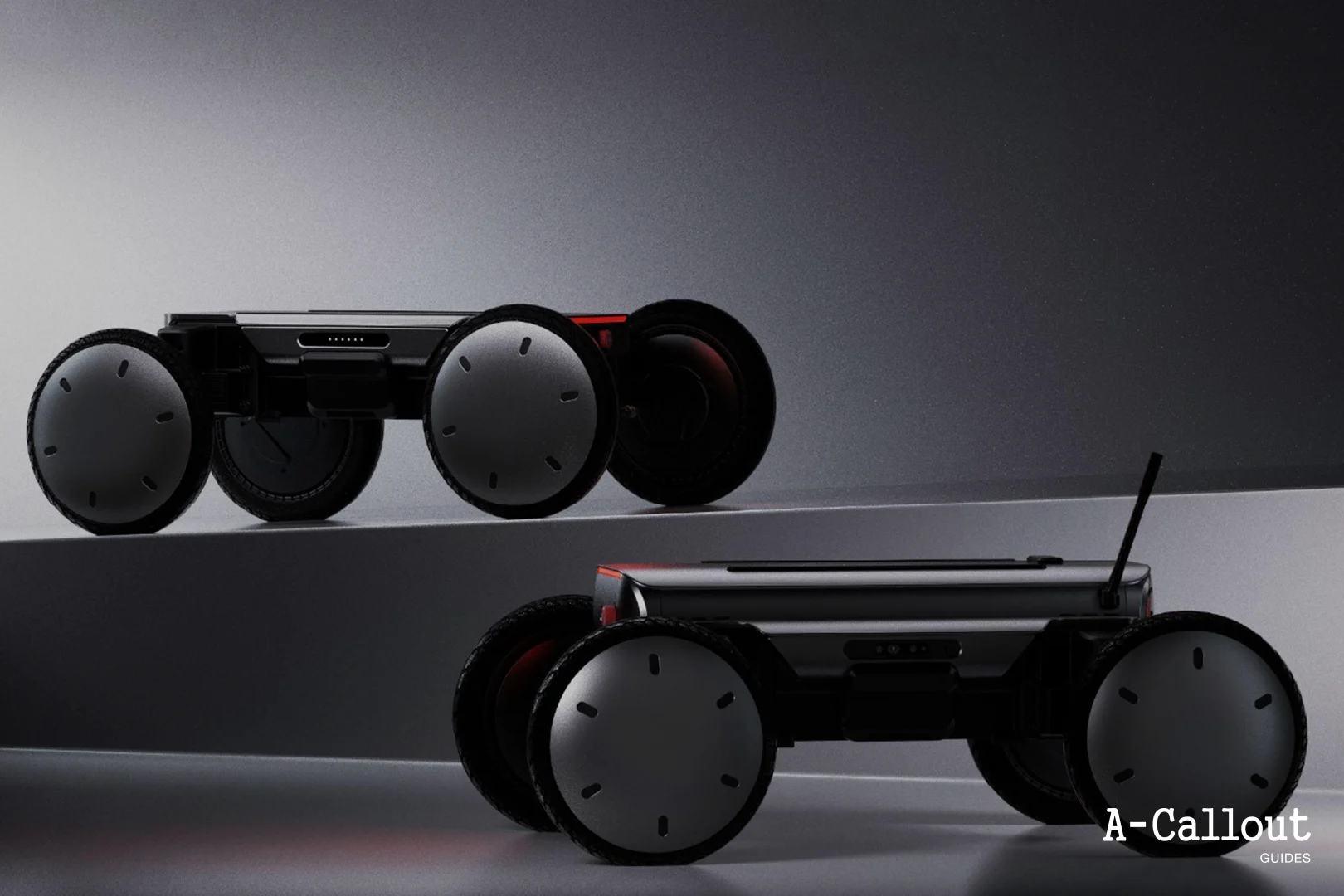
MobED and the Quiet Rise of Platform Robotics

Hyundai’s MobED exemplifies a shift toward autonomous systems designed for integration, emphasizing mechanical stability, embedded sensing, and modular adaptability over interaction, personality, or spectacle.

January 15, 2026

GUIDES