Nike's Air Lab: How a Brand Installation Became Public Infrastructure

Nike’s Air Lab at Dropcity transforms former rail tunnels into a working laboratory that treats air as material, foregrounds iterative prototyping, and leaves its infrastructure as a permanent civic resource.

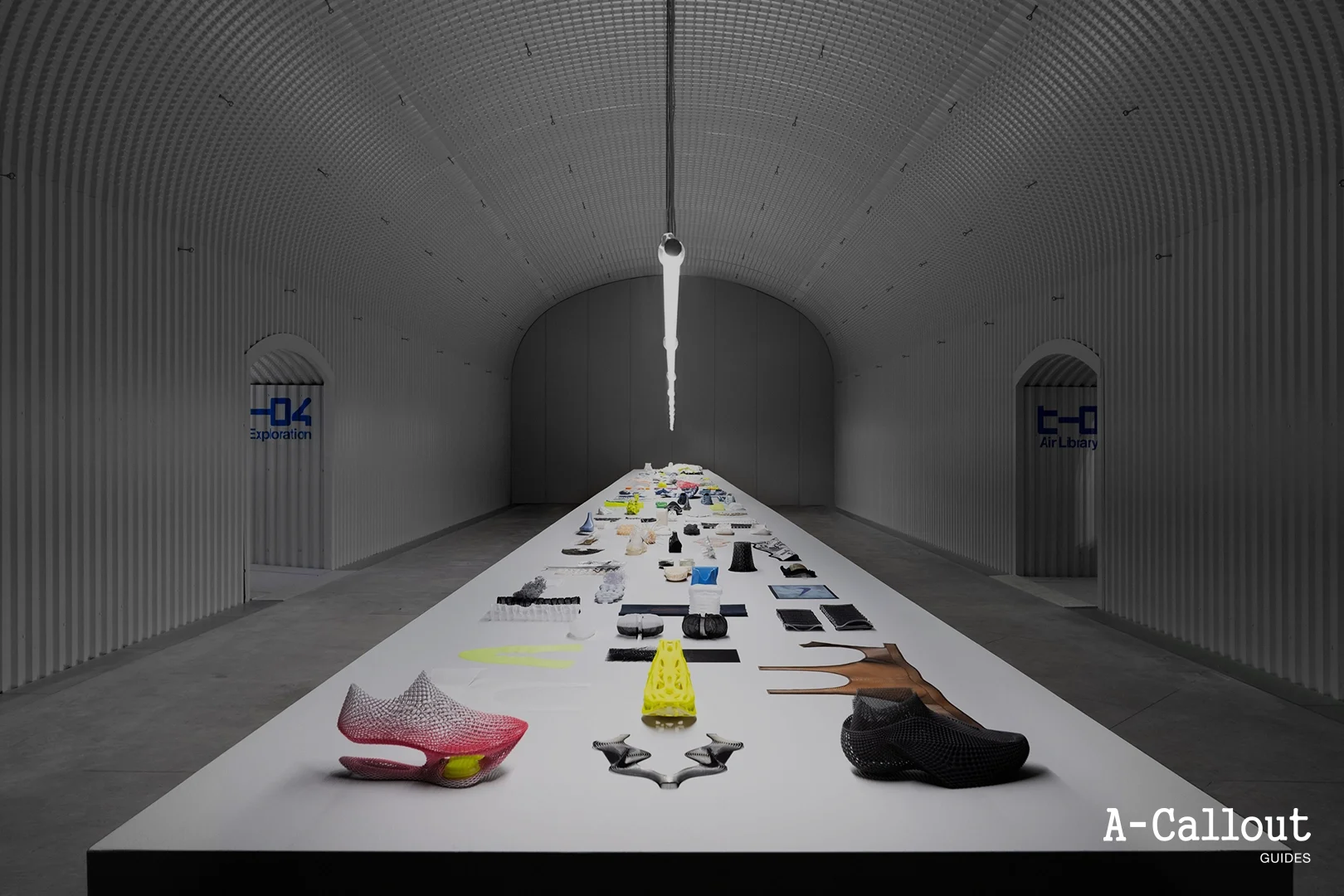
What is Nike's Air Lab at Dropcity, and why does it matter beyond Milan Design Week? At first glance, it appears to be another immersive brand installation: an archive of prototypes, a series of workshops, a spectacle staged for a global design audience. But beneath Milan's streets, in five former rail tunnels, Nike has built something more consequential: a working design laboratory that treats air as a material and leaves its infrastructure behind as a public resource.

The Air Lab occupies decommissioned tunnels near Milano Centrale, spaces that naturally evoke infrastructure and experimentation. Instead of filling them with polished displays, Nike approaches the environment with the restraint of a research facility. Nearly 100 never-before-seen prototypes are shown with their trials and imperfections intact. Samples and swatches trace the development of Air Liquid Max, FlyWeb, Radical AirFlow, Therma-FIT Air Milano, and other explorations. Air is not presented as a marketing story but as an evolving engineering problem. For visitors seeking to understand Nike Air technology, the lab makes one principle clear: air is not emptiness. It is a design medium.

Air as a Design Medium

Eight tool stations demonstrate this with unusual clarity, each framing air as a distinct force: evidence, shape, transformation, expansion, void, impulse, subtraction, or impact. Robotic arms, thermoforming machines, and pneumatic systems translate what is normally invisible into something measurable and tactile.
This approach connects directly to Nike's historical arc. The introduction of air cushioning in 1979 and the architectural exposure of air units in the Air Max 1 redefined how performance technology could be made visible. The Air Lab extends that logic. Where Tinker Hatfield once exposed the air unit to reveal the system inside, the tunnels now expose the entire research culture behind it. Early experiments sit alongside contemporary work and athlete-informed innovations, reinforcing that Nike Air is less a single product than a long-term design inquiry.

Process Over Retrospective

What distinguishes the Air Lab from a typical retrospective is its emphasis on process. Prototypes are not staged as relics but as working evidence of iteration. Nike's design leadership has long described prototyping as a daily practice of making, testing, and refining in real time. Even in an era of advanced digital modeling, the lab insists on the primacy of physical experimentation. Air behaves differently under real pressure, real impact, real heat.

Yet the most significant gesture is not aesthetic or archival. After Milan Design Week, the equipment and infrastructure do not disappear. They become part of Dropcity's permanent facilities, joining workshops for robotics, model making, 3D printing, textiles, ceramics, and woodworking. Under a long-term agreement with the city, Dropcity is building one of Europe's largest centers for architecture and design, with subsidized workstations for hundreds of creatives. The Air Lab will operate as a civic facility within that ecosystem.

A Long Term Commitment

In a landscape where design week installations often function as temporary brand theatre, this handover reframes the equation. The tunnels are not just a stage set but a shared resource. Nike's involvement moves from spectacle to support, aligning corporate research with local creative infrastructure. It suggests a model in which global companies contribute tools and knowledge to public design culture rather than extracting attention from it.

The essential point is this: the Air Lab transforms a product story into a spatial one. Air becomes architecture. Prototypes become pedagogy. And a marketing moment becomes a long-term commitment to Milan's creative community. Beneath the city, innovation is not presented as a finished object. It is exposed as a system: pressurized, iterative, and collective.

May 21, 2026

next up

The Neo Geo AES+ and the Case for Engineered Preservation

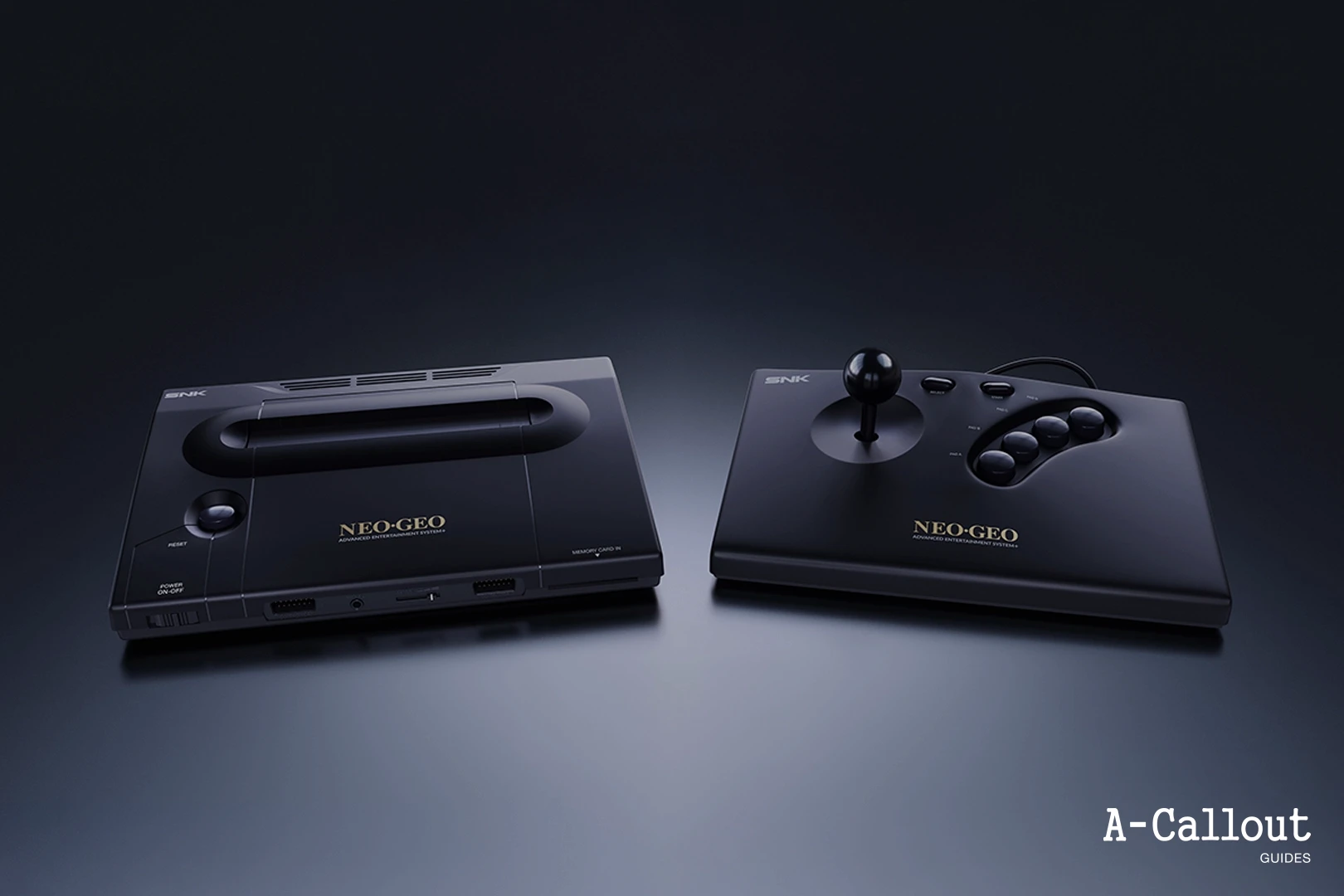
The Neo Geo AES+ reconstructs SNK’s original hardware with newly engineered ASICs, cartridge compatibility, and modern HDMI output, framing classic gaming as preservation rather than emulation.

May 14, 2026

GUIDES
km5's Neon Collection: When Audio Equipment Becomes Spatial Design

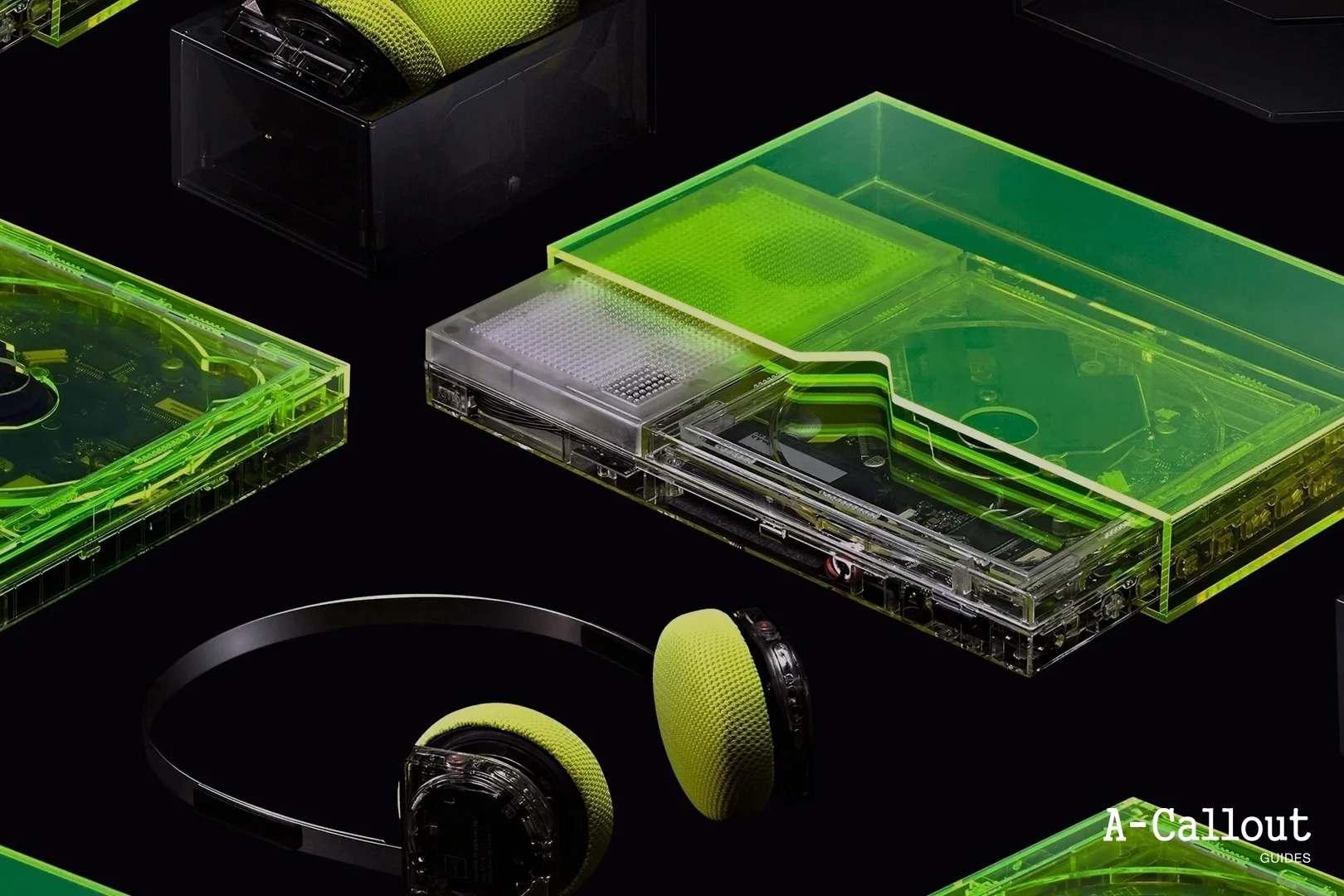
km5’s Neon Collection reframes audio equipment as spatial design, using transparency, neon accents, and visible circuitry to position CD players and headphones as interior objects rather than hidden electronics.

May 7, 2026

GUIDES
Nike x Beats Powerbeats Pro 2: The Earbud as Athletic Insignia

The Nike x Beats Powerbeats Pro 2 reframes sports earbuds as integrated performance tools, combining biometric monitoring, audio control, and athletic identity within a single in-ear device.

April 30, 2026

GUIDES
The MPC Sample and the Era of Pocket-Sized Professional Samplers

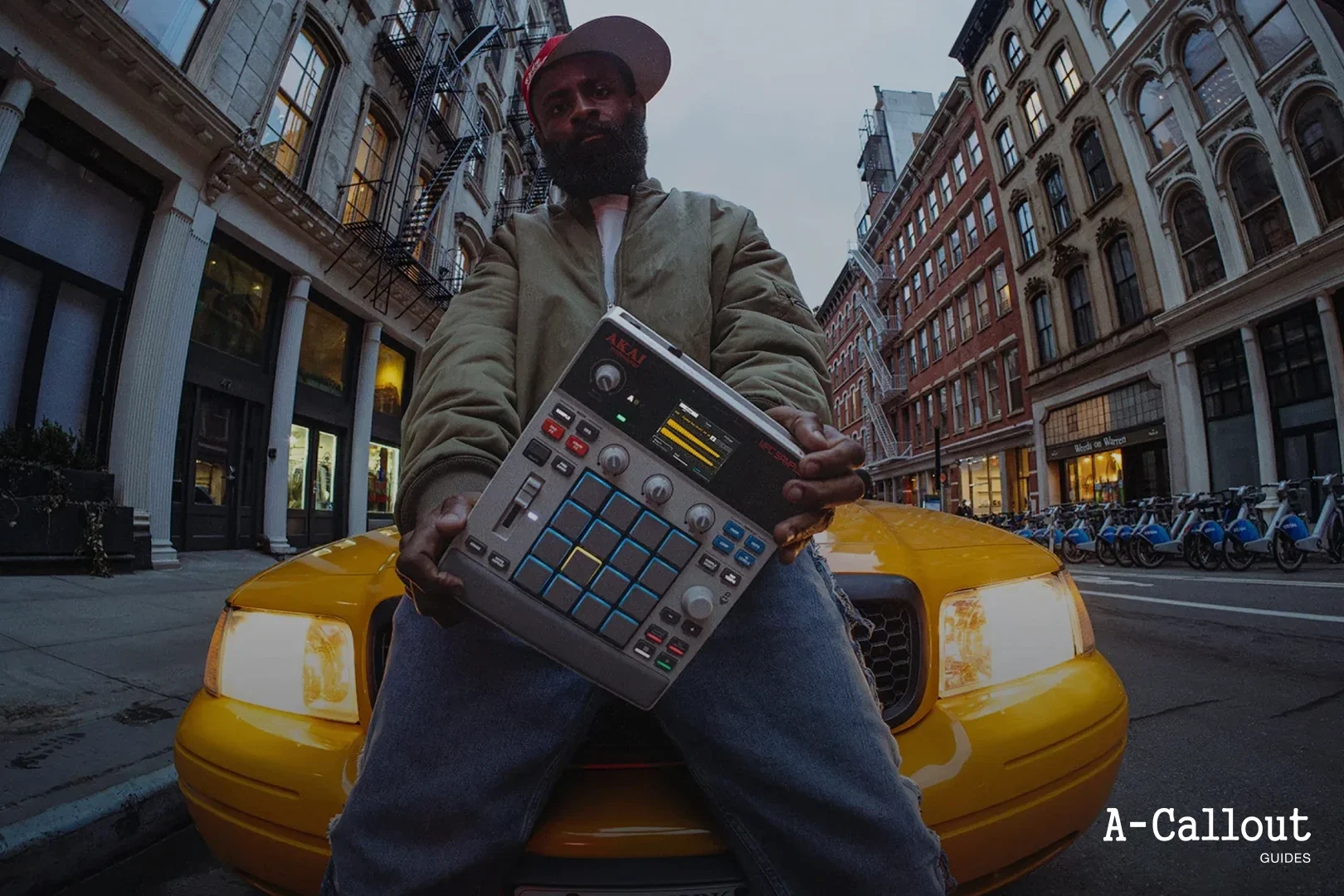
The Akai MPC Sample is a battery-powered, sub‑$500 sampler that pairs classic MPC design cues with modern sequencing, portable recording, and streamlined workflow for mobile music production.

April 23, 2026

GUIDES
Spigen's Classic LS MagSafe Wallet: A Tactile Link to Apple's Design Heritage

Spigen’s Classic LS MagSafe Wallet combines a slim, three-card magnetic holder with a tactile homage to the Macintosh 128K, embedding computing history into an everyday iPhone accessory.

April 16, 2026

GUIDES
The LEGO Air Max 95 Neon Turns a Sneaker Icon Into a Study in Design

The 1,213-piece Nike and LEGO Air Max 95 collaboration reframes the heritage sneaker as a buildable archive, transforming a performance icon into a dissectible display object.

April 9, 2026

GUIDES
How the Nothing Headphone (a) Redefines Affordable Over-Ear Audio

The Nothing Headphone (a) reframes entry-level wireless audio with extended battery life, tactile controls, durable design, and balanced performance that prioritizes everyday reliability over flagship excess.

April 2, 2026

GUIDES
The MacBook Neo Asks: What If Less Were the Point?

An examination of Apple’s $599 MacBook Neo as a deliberately restrained, expressive alternative that reframes laptop value around sufficiency, personality, and environmental consideration rather than maximal performance.

March 26, 2026

GUIDES
Galaxy S26 Ultra: When Discretion Becomes the Premium Feature

The Galaxy S26 Ultra shifts Samsung’s flagship philosophy toward discretion, centering a hardware-integrated Privacy Display and refined design that prioritize attention control over spectacle and overt material expression.

March 19, 2026

GUIDES
Sony WF-1000XM6: When Premium Earbuds Disappear Into Daily Life

Sony’s WF-1000XM6 reframes premium earbuds as adaptive, unobtrusive infrastructure for modern attention, emphasizing natural sound, calibrated noise cancellation, and software-driven control over headline-grabbing specifications.

March 12, 2026

GUIDES
Ferrari Luce: How Craft, Not Screens, Defines the Electric Interior

Ferrari’s first electric model, developed with Jony Ive and LoveFrom, prioritizes tactile controls, material precision, and restrained digital integration over screen-driven spectacle.

March 5, 2026

GUIDES
How CASETiFY and G-DRAGON Turned the Phone Case Into Fashion Infrastructure

CASETiFY’s 15th anniversary CHROMATIC collaboration with G-DRAGON reframes the phone case as fashion infrastructure, emphasizing material presence, modular design, and artist-led direction over surface graphics or branding.

February 26, 2026

GUIDES
Sony PS-LX3BT and PS-LX5BT: Vinyl Without the Ritual

Sony’s PS-LX3BT and PS-LX5BT reposition the turntable as a fully automatic, Bluetooth-enabled audio source designed to integrate seamlessly with contemporary wireless listening ecosystems.

February 19, 2026

GUIDES
The Anti-Gadget Approach: Why VITURE's The Beast Bets on Invisible XR

VITURE’s The Beast reframes XR glasses as a discreet, spatial workstation, favoring comfort, daylight usability, and anchored virtual screens that support ordinary tasks without demanding attention.

February 12, 2026

GUIDES
Audi's R26: Formula 1 as Brand Infrastructure

Audi’s R26 presents Formula 1 as a brand operating system, using integrated design, in-house engineering, and partnerships to prototype identity beyond immediate racing results.

February 5, 2026

GUIDES
Samsung Music Studio 5 and 7: When Speakers Become Furniture

Samsung’s Music Studio 5 and 7 present speakers as restrained interior objects, combining controlled, AI-tuned sound, spatial projection, and seamless connectivity to integrate audio quietly into living spaces.

January 29, 2026

GUIDES
Murakami's CASETiFY Collection Turns Tech Accessories Into Wearable Art Archives

The Murakami x CASETiFY Flowers Bloom collection reframes tech accessories as cultural containers, using setsugetsuka, modular systems, and participatory scarcity to position ownership as ongoing engagement.

January 23, 2026

GUIDES
MobED and the Quiet Rise of Platform Robotics

Hyundai’s MobED exemplifies a shift toward autonomous systems designed for integration, emphasizing mechanical stability, embedded sensing, and modular adaptability over interaction, personality, or spectacle.

January 15, 2026

GUIDES