What makes the CASETiFY x G-DRAGON CHROMATIC collaboration different from a typical celebrity-branded phone case? And why has it been positioned as a defining moment in CASETiFY's 15th anniversary year? The answer lies in a shift of perspective. This is not a graphics-driven drop or a logo exercise. CHROMATIC: FORMS & HUES reframes the tech accessory as fashion infrastructure: a structural, expressive layer that supports and completes everyday dress. Rather than treating the phone case as protective packaging, the collection proposes it as a core component of personal style.
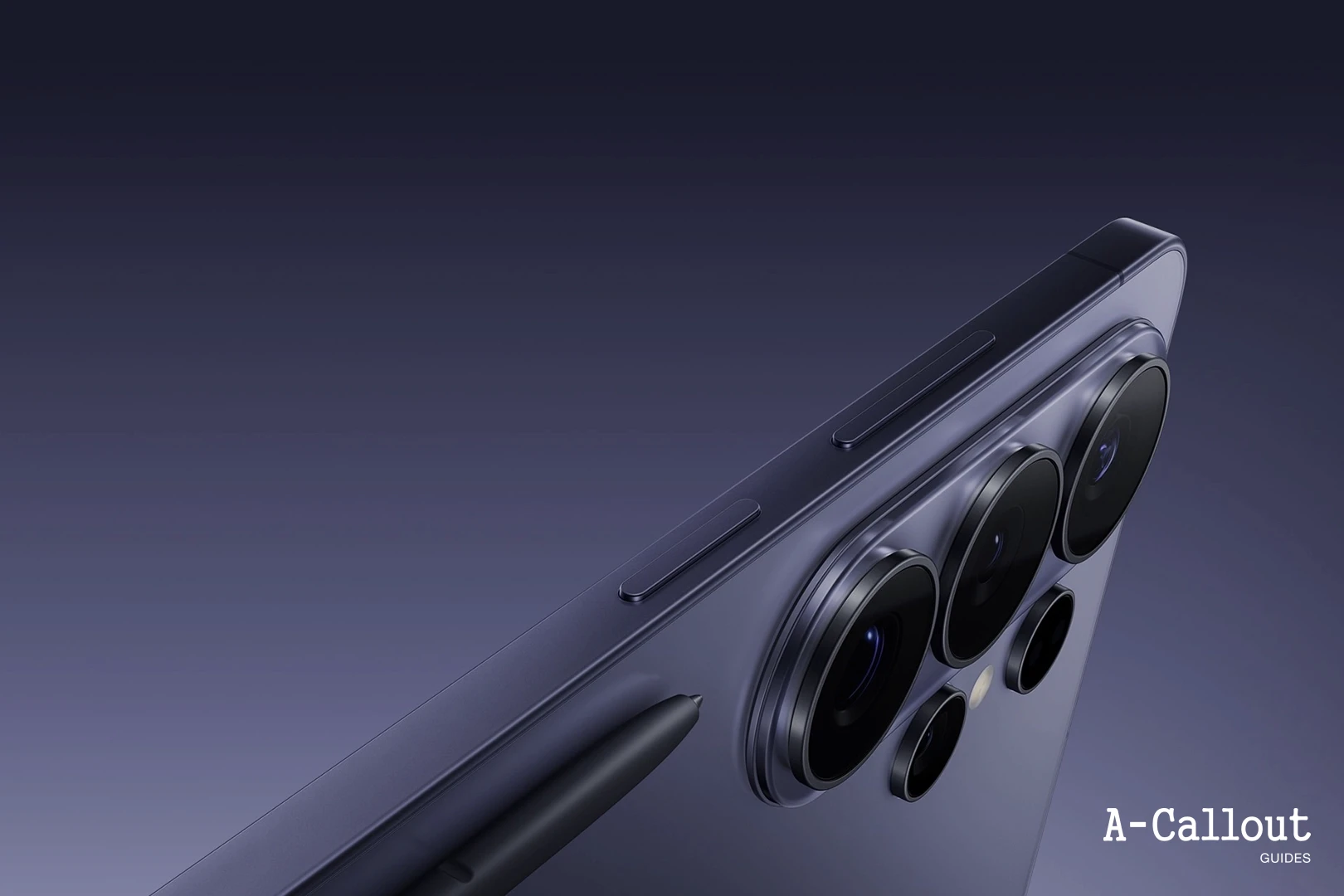
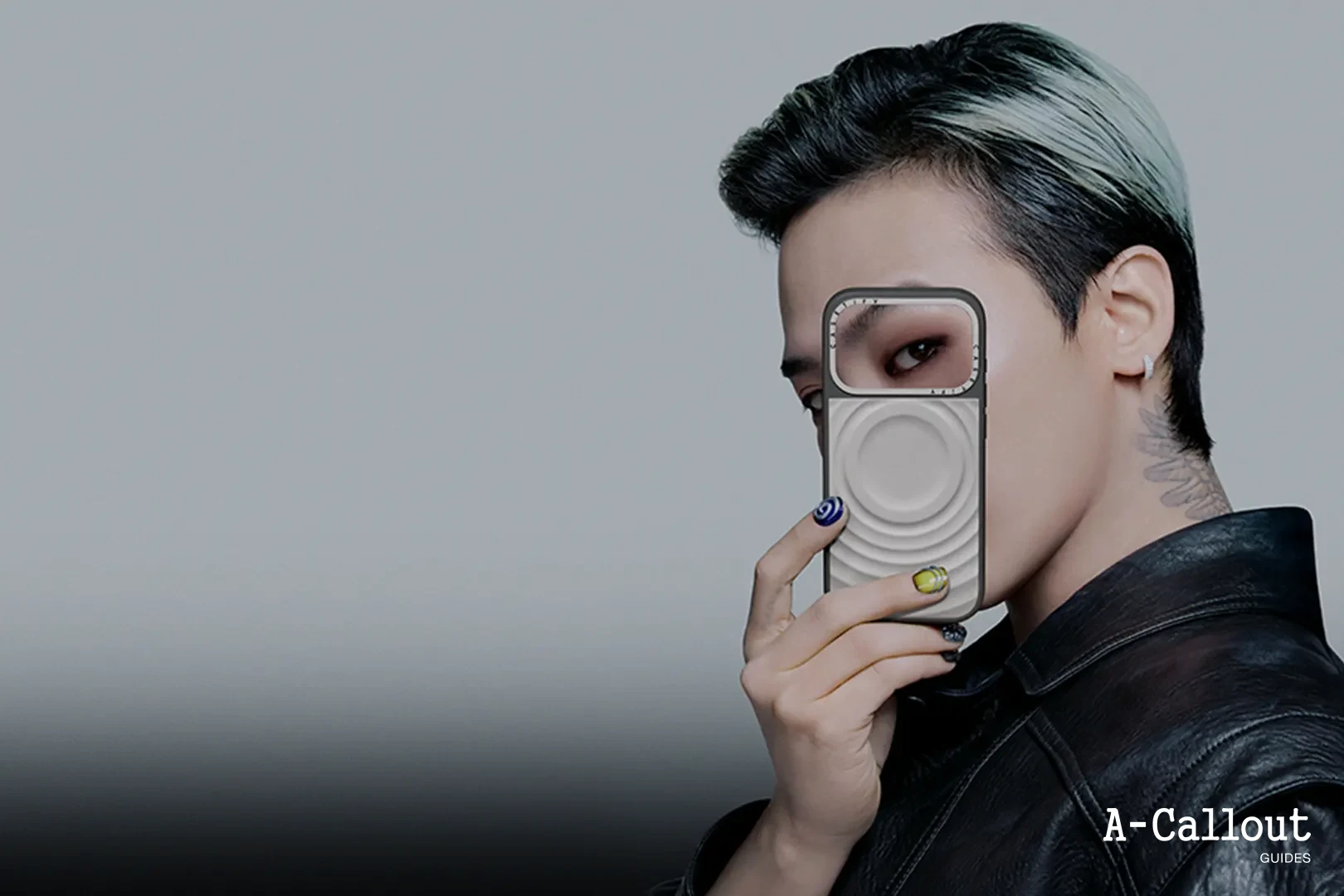
At the center is the Alloy Ripple Case, an aluminum evolution of CASETiFY's Ripple design. Its sculpted ridges and reflective finish give it the presence of pocketable sculpture rather than conventional device protection. Aluminum introduces weight, sheen, and tactility associated with hardware and jewelry rather than silicone utility. The case becomes an object you carry with intention, not just necessity.
Architectural Extensions and Modular Design
The supporting elements reinforce this architectural language. Metallic charm cubes and a modular 2-in-1 crossbody chain extend the case into a system. The chain allows the phone to function like a small bag or wearable accessory, integrating it into an outfit's silhouette.
The customizable cubes add dimensional detail, echoing the hardware-forward attitude of the main case. Together, these pieces suggest that everyday carry can be layered and composed like a capsule wardrobe.
FORMS and HUES as Parallel Expressions
The dual structure clarifies the design thesis. CHROMATIC: FORMS delivers cool, reflective, industrial energy with emphasis on surface, structure, and material presence. CHROMATIC: HUES introduces five saturated colorways in the Ripple line, treating the phone as a mood board where color functions as attitude and signal.
The distinction makes explicit what many accessories leave implicit: shape and color operate as parallel tools of self-expression.
Beyond Endorsement: The Role of G-DRAGON
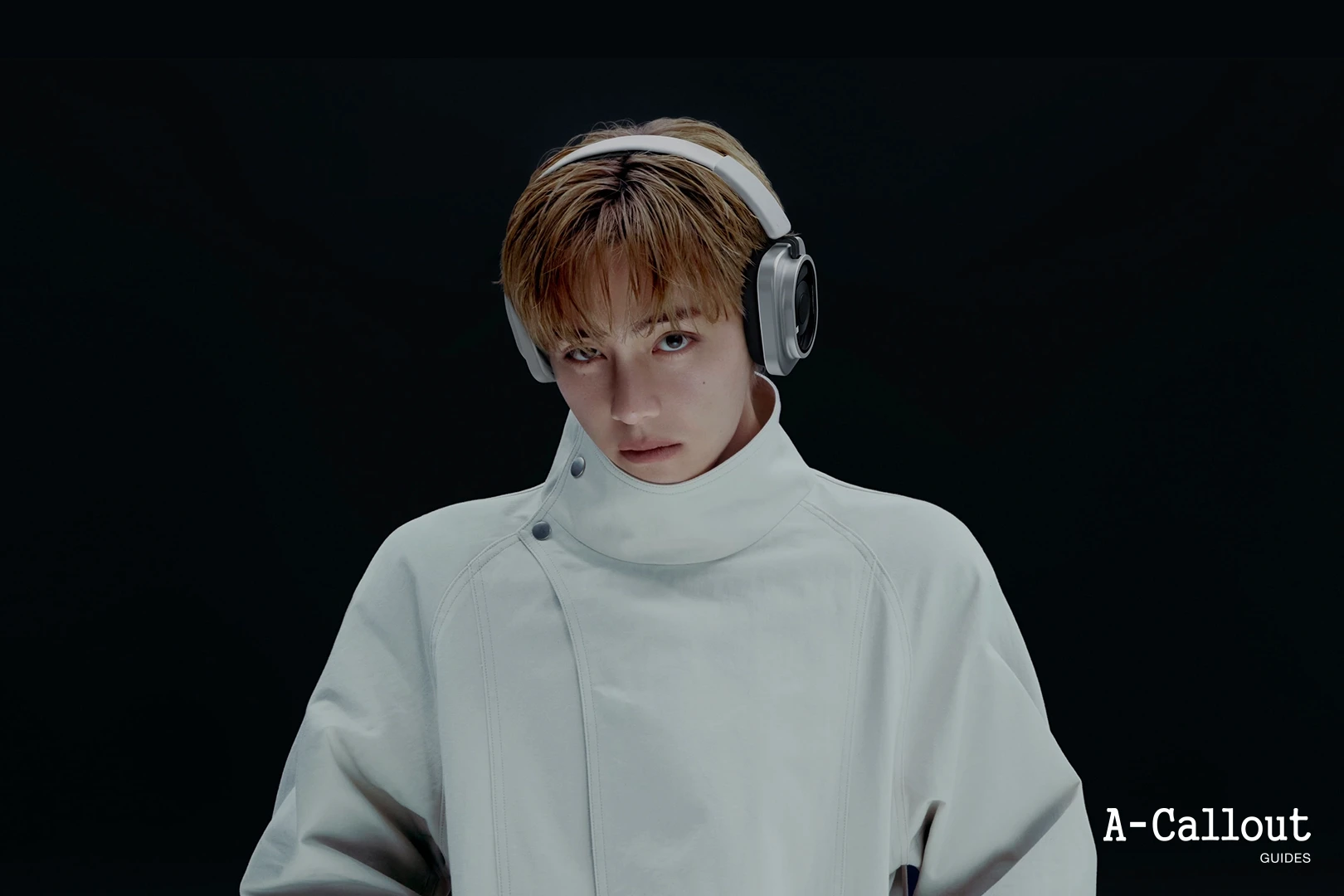
This framing is strengthened by G-DRAGON's role as CASETiFY's first Global iCON. Rather than lending his name to a limited graphic motif, he has been positioned as a creative steward helping define the brand's attitude. Known for shaping conversations across music, art, and fashion, his involvement aligns the collection with world-building rather than endorsement.
That distinction matters in a crowded accessory market.
A Pivot in the Accessory Category
For years, tech cases have relied on licensed imagery, novelty prints, or overt branding. CHROMATIC signals a pivot from surface decoration toward object design, emphasizing material upgrades, modular components, and cohesive aesthetic language. It argues that the phone case belongs in the same conversation as handbags, jewelry, and small leather goods.
For readers encountering this collaboration for the first time, its importance is less about fandom and more about category evolution. CHROMATIC: FORMS & HUES illustrates how tech accessories are becoming structurally integrated into personal style ecosystems. The phone, already central to daily life, becomes visually and materially aligned with fashion culture.
Fashion Infrastructure and Category Direction
The broader proposition is simple yet consequential: everyday carry deserves the same intentional design thinking as the rest of a wardrobe. When a phone case operates as fashion infrastructure, it stops being an afterthought and becomes part of how identity is assembled and displayed.
In that sense, CHROMATIC is not just a collaboration but a marker of where the category is heading: toward hardware as statement, color as language, and artist-led vision as the engine of design direction.
February 26, 2026