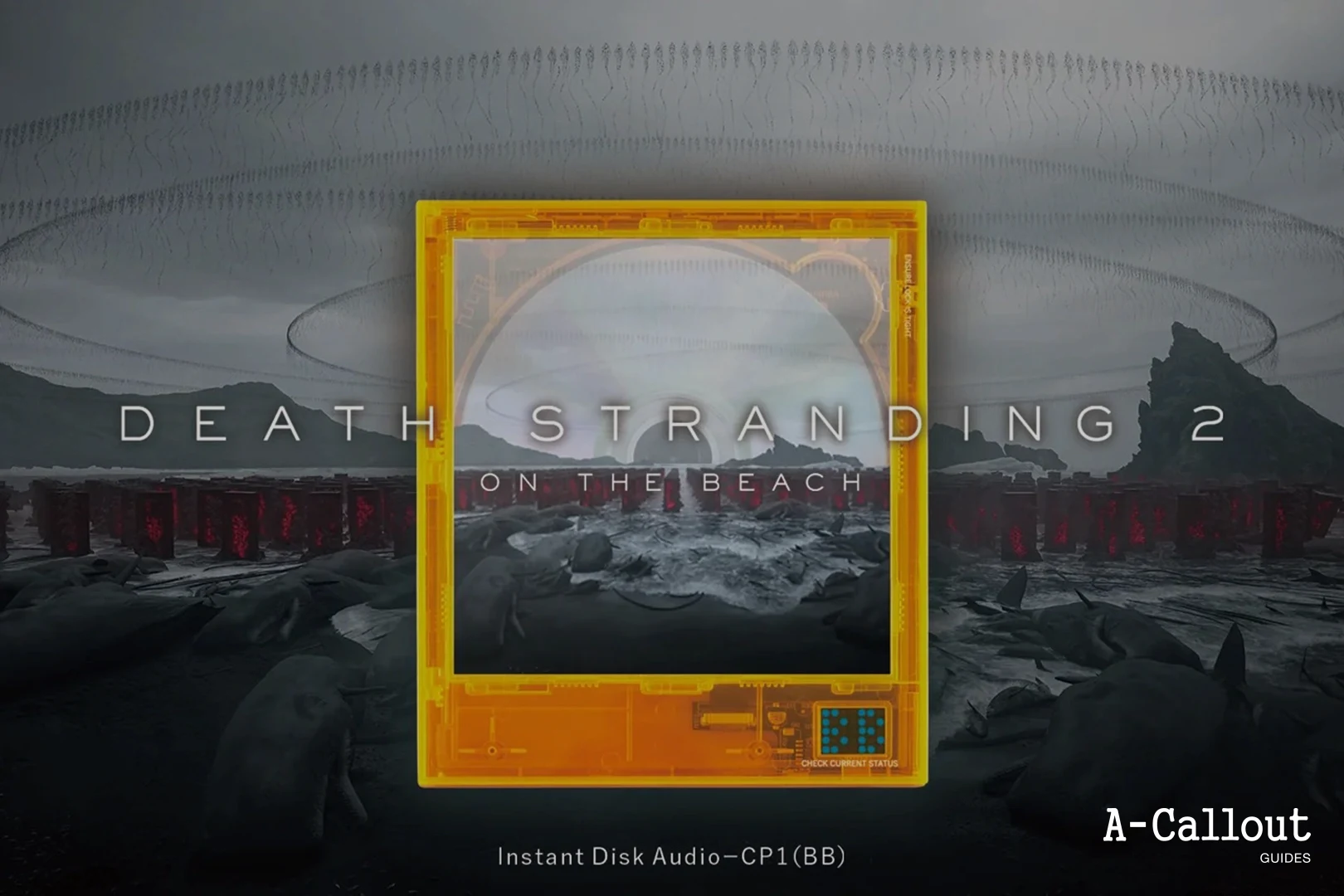
For anyone searching for the Kojima Productions x km5 Death Stranding 2 CD player, the central question is not simply what it does. It is why a translucent orange portable CD player modeled after the BB Pod feels culturally resonant at all. On paper, the Instant Disc Audio Cp1 Death Stranding 2 Model is a compact wireless CD player with Bluetooth 5.3, a headphone jack, USB-C charging, tactile controls, and support for standard CDs and smaller 8cm discs. In practice, it is a carefully staged object about attention, memory, and the renewed appeal of physical media.
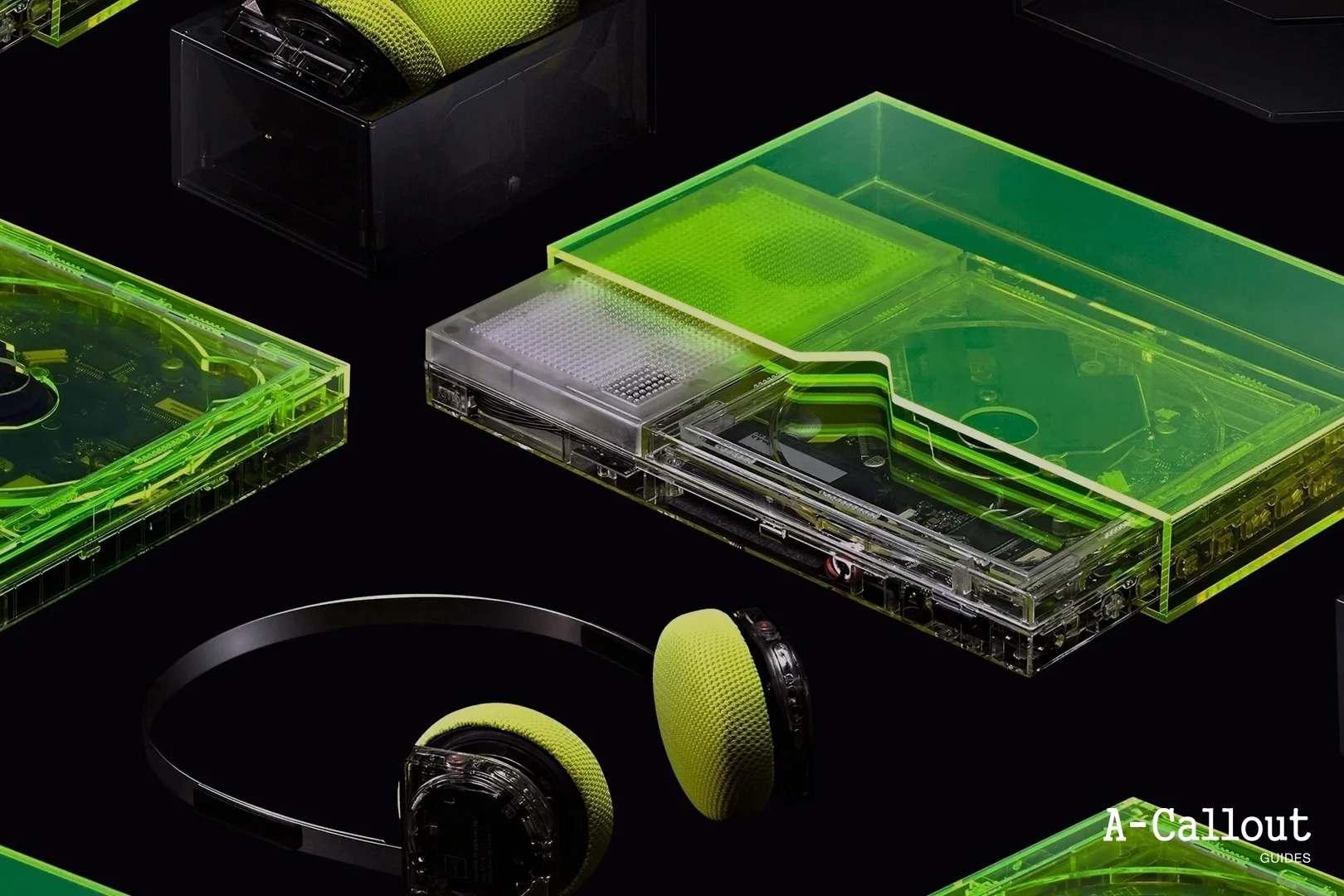
That tension is what makes the collaboration more interesting than a typical game-themed collectible. Kojima Productions and Japanese audio brand km5 have not merely placed a logo on an existing device. They have taken one of Death Stranding's most recognizable images and translated its visual language into a working audio product. The translucent orange shell, caution markings, visible spinning disc, and customized packaging all push the object toward the world of the game while keeping it grounded in everyday use.
The design matters because it makes playback visible.
Most modern listening is hidden inside a phone, app, or cloud service. Here, the disc rotates in open view behind an amber case, giving music a physical presence. The listener sees the medium, handles the object, presses mechanical buttons, and connects it to headphones, speakers, or a Bluetooth setup. The result is not analog nostalgia in a strict technical sense, but a return to the feeling that music occupies space.
This is why the BB Pod CD player fits naturally within the broader revival of physical media.
Vinyl, cassettes, and CDs have all regained attention among listeners who want something more tangible than streaming. The appeal is not only sound quality or rarity. It is the ritual: choosing an album, opening packaging, placing a disc, watching it spin. The km5 Cp1 already embraces this through its picture-frame-like form, visible mechanism, LED track display, and minimal controls. The Death Stranding edition intensifies it by turning the player into a functional prop from a world obsessed with connection, cargo, technology, and fragile human bonds.
As a product, it sits between portable CD player, decorative audio device, and collector's item.
It has no built-in speaker, reinforcing its role as part of a listening ritual rather than an all-in-one gadget. It pairs wirelessly through Bluetooth 5.3 or connects via a 3.5mm headphone jack. Its rechargeable battery offers several hours of playback, and its slim body can sit on a shelf like a small object of design. Even when silent, it reads as an artifact.
The most compelling part of the collaboration is its refusal to treat physical media as outdated.
It frames the CD as intentional. The visible disc becomes part of the experience, not a technical inconvenience. The orange casing does more than reference the BB Pod; it turns the player into a transparent vessel for sound, artwork, and fandom. In that sense, the object participates in the same retro-future language that defines much of Death Stranding: familiar technology made strange, intimate, and ceremonial.
For fans of Hideo Kojima, the appeal is obvious.
The device materializes an element of Death Stranding 2: On the Beach in the real world without sacrificing function. For design-minded listeners, its significance is wider. It shows how consumer electronics can become expressive again when they reveal their mechanisms and invite touch. At a time when so many devices are seamless, sealed, and visually interchangeable, this CD player is deliberately specific.
The BB Pod CD player is best understood not as a novelty but as a small argument for visible media.
It plays CDs, but its real subject is the act of playing them. It asks the listener to notice the object, the disc, the motion, and the moment. That is what makes it feel less like merchandise and more like a ritual artifact for the return of physical listening.
August 27, 2026