Nothing Headphone (1) Pro: The Case for Premium Audio You Can Actually See

Nothing’s Headphone (1) Pro pair active noise cancellation and triple-driver audio with transparent, tactile industrial design that challenges premium headphones’ visual discretion.

Readers searching for the Nothing Headphone (1) Pro are likely trying to answer a simple question: what makes these $399 over-ear headphones different from the familiar choices from Sony, Bose, and Apple? The answer is not noise cancellation, battery life, or driver count alone. Nothing's flagship headphones matter because they challenge the dominant idea that premium headphones should disappear visually while performing technically.

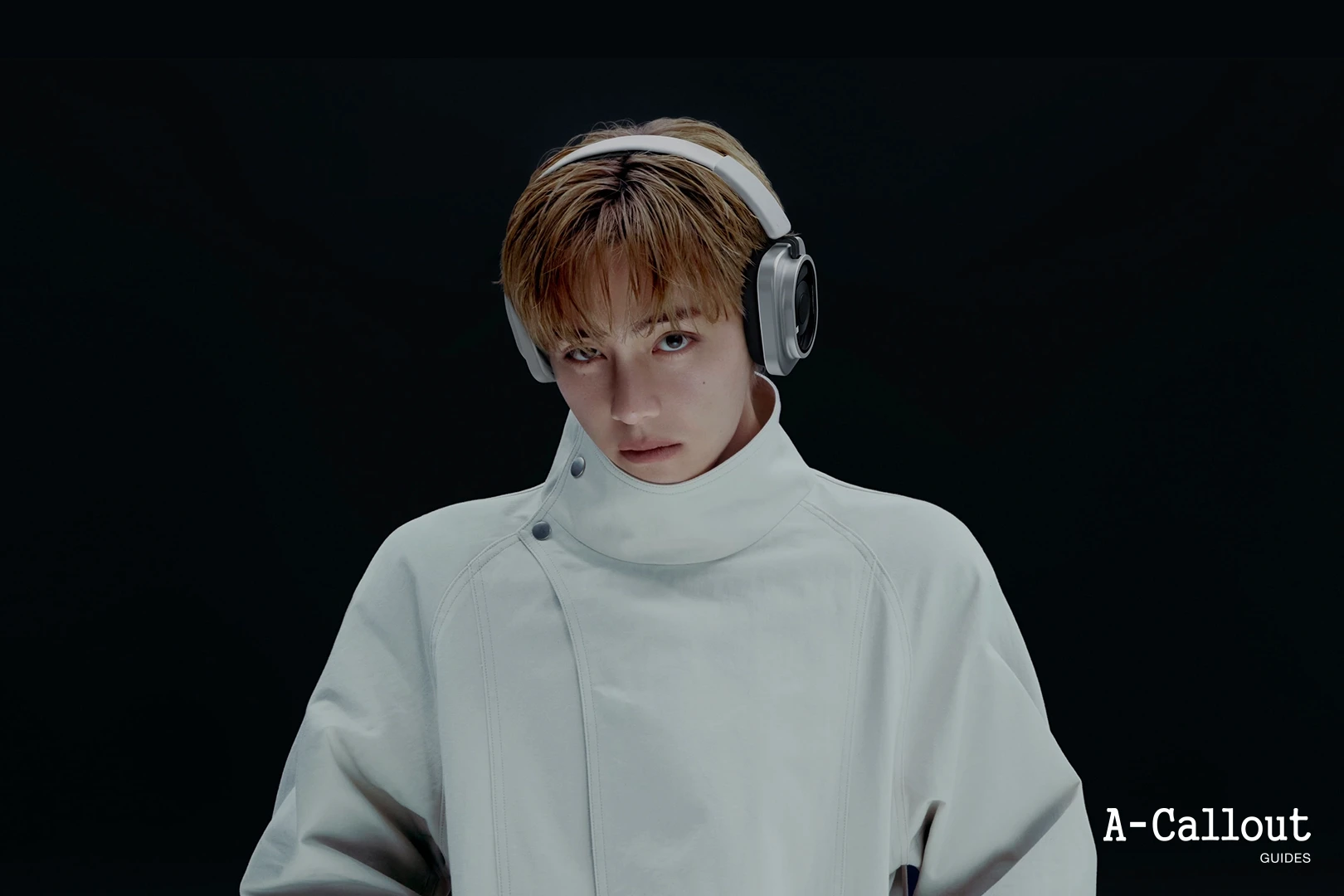
The Headphone (1) Pro are best understood as a design-led audio product. They include serious specifications: a triple-driver architecture, ten-microphone active noise cancellation, glass-covered ear cups, titanium and aluminum structural elements, physical controls, spatial audio, Hi-Res Audio certification, and up to 30 hours of battery life with ANC on. But the larger point is how those elements are composed. Nothing is not presenting these as anonymous black or silver tools. It is making headphones that look authored.


That matters in a category that treats discretion as sophistication.

The most successful premium ANC headphones tend to be visually quiet: matte surfaces, softened forms, minimal interruption. Nothing takes the opposite route. Transparent glass panels, visible construction cues, square ear cups, and mechanical controls create an object that announces itself. These headphones are meant to be recognized before they are compared.

The technical story supports that visual argument rather than replacing it.

Each ear cup uses three drivers: a 40mm dynamic driver for bass, a precision driver for mids, and an xMEMS driver for treble. This is not a common approach in over-ear headphones, and it gives Nothing a clear way to frame the Pro as more ambitious than its earlier efforts. The promise is broader separation across lows, mids, and highs, with reduced distortion and a more controlled sound profile.

The flat EQ mode is another revealing detail.

Activated by a physical switch, it resets the sound to a neutral profile for critical listening and is tied to Nothing's partnership with Metropolis Studios. Its presence helps define the product's personality: part consumer headphone, part studio-adjacent object, part lifestyle device. It is less about replacing professional monitoring gear and more about giving the headphone a credible listening language beyond bass and loudness.

Noise cancellation is part of the premium brief, though not the entire pitch.

The ten-microphone ANC system claims a maximum reduction of 46dB, and early impressions place performance as strong, if not clearly ahead of Sony or Bose flagships. That distinction matters. These headphones are not the safest answer for someone who wants the most technically dominant ANC available. They are for someone who wants high-end noise cancellation inside a more expressive industrial design.

Comfort and materials reinforce the same argument.

The Pro uses an aluminum frame, titanium hanger, scratch-resistant glass, softer ear cushions, and an internal silicone baffle intended to improve the seal around ears, glasses, and piercings. At 327 grams, it is heavier than several major competitors, which is a real tradeoff. But the weight reflects Nothing's choice to build a product with visible structure and tactile presence rather than one engineered toward physical disappearance.

The controls may be the clearest expression of Nothing's philosophy.

Instead of hiding everything behind gestures and app menus, the headphones use buttons, switches, and a roller control. For many users, that makes everyday interaction more direct. It also reinforces the sense that this is an object with a designed interface, not just a wearable speaker controlled by software. In a market shaped by touch surfaces and minimal affordances, physical controls feel almost assertive.

There are compromises.

The included case has been criticized for leaving the headband exposed and lacking cable storage. The sound profile will depend on listener preference, particularly for those sensitive to midrange emphasis or prioritizing the strongest possible ANC. These are not irrelevant issues. They clarify that the Headphone (1) Pro is not a universal replacement for every premium buyer.

What makes them compelling is the coherence of the proposal.

At $399, Nothing enters a crowded tier where buyers expect strong audio, effective noise cancellation, long battery life, and comfort. The Headphone (1) Pro address those expectations, but their real distinction is cultural. They suggest that premium audio does not have to be visually neutral to be serious. It can be technical, tactile, and visually intentional at the same time.

For readers comparing premium headphones, the Headphone (1) Pro should not be judged solely by whether they beat Sony, Bose, or Apple at each individual metric.

Their value lies in a different question: do you want headphones that disappear into the category, or headphones that make their design part of the experience? Nothing's answer is clear. These are headphones made to be seen as much as heard.

October 15, 2026

next up

Why Burger King Made a Nugget-Shaped Bag Too Small to Use

Burger King’s Le Nugguette uses an impractical nugget-shaped micro-bag to explore how fast food branding now operates through limited, collectible design objects.

October 8, 2026

GUIDES
Hedley Studios' Porsche 550 Spyder J Is a Collectible Design Object, Not a Car

Hedley Studios’ officially licensed 550 J reframes the Porsche 550 Spyder as a hand-built, electric collectible for private settings.

October 1, 2026

GUIDES
The iPhone Duo Reframes What a Phone Needs to Be

Apple’s iPhone Duo frames the foldable as a quieter evolution of the slab phone, shifting between compact form and larger canvas with reduced friction.

September 24, 2026

GUIDES
Pollen Robotics Microduck Makes the Case for a More Personal Home Robot

Pollen Robotics’ Microduck combines duck-like character design, open-source programming, and physical interaction to position consumer robotics as approachable, expressive, and programmable.

September 17, 2026

GUIDES
How Xbox's 25th Anniversary Collection Turns Translucent Green Into a Design Language

Microsoft’s Xbox 25th Anniversary Collection uses translucent green across partner-made accessories, turning the original console aesthetic into a practical contemporary design system.

September 10, 2026

GUIDES
Razer Naga V3 Pro Review: The Case for One Mouse That Changes Shape

Razer’s Naga V3 Pro uses magnetic side plates to shift between MMO, hybrid, and everyday layouts, framing versatility as physical configuration.

September 3, 2026

GUIDES
The BB Pod CD Player Makes Physical Media Feel Like a Ritual

Kojima Productions and km5 translate Death Stranding’s BB Pod into a translucent orange CD player that foregrounds visible playback and physical media ritual.

August 27, 2026

GUIDES
Casio's CRW-H001M-8 Makes the Case for a Smart Ring With a Face

Casio’s CRW-H001M-8 reframes the smart ring with a tiny LCD face, health sensors, classic watch functions, and a deliberately visible identity.

August 20, 2026

GUIDES
What the Samsung Galaxy Z Fold8 Says About the Future of Foldable Phones

Samsung’s Galaxy Z Fold8 frames the foldable as a mature everyday device, shifting between cover-screen immediacy and a tablet-like main display.

August 13, 2026

GUIDES
Kodak EC35 Review: The Case for Slow-Tech 35mm Photography

The Kodak EC35 frames reusable 35mm photography as a slow, tactile ritual, prioritizing simplicity, portability, and physical interaction over technical performance.

August 6, 2026

GUIDES
Nokia's AI Feature Phones Have a Design Contradiction at Their Core

HMD’s latest Nokia 4G feature phones pair deliberate restraint with a dedicated AI button, exposing a design tension around minimalism and service-driven convenience.

July 30, 2026

GUIDES
Bang & Olufsen's Power Bank Is a Design Statement, Not Just a Charger

Bang & Olufsen’s Powerbank reframes a utility category through glass, aluminum, and coordinated finishes, prioritizing material presence over raw capacity or value-per-watt.

July 23, 2026

GUIDES
Polaroid Go Gen 3 Review: The Real Cost of Going Analog in Pocket Size

Polaroid’s Go Gen 3 reframes instant photography as a compact, tactile ritual, pairing social simplicity with miniature prints and costly proprietary film.

July 16, 2026

GUIDES
CASETiFY x Evangelion: When Fandom Becomes Design Object

CASETiFY’s Neon Genesis Evangelion collection translates the franchise’s colors, mechanical details, and symbolism into phone cases, chargers, straps, and headphone accessories.

July 9, 2026

GUIDES
Fitbit Air Review: The Case for the Screenless Fitness Tracker

Google’s $100 Fitbit Air is a screenless tracker that favors passive health measurement, long wear, and minimal interruption over smartwatch-style interaction.

July 2, 2026

GUIDES
PlayStation FlexStrike: The Arcade Fight Stick, Reimagined for Modern Living

Sony’s PlayStation FlexStrike reframes the arcade fight stick as a wireless, portable PS5 and PC controller shaped by competitive history and domestic play.

June 25, 2026

GUIDES
The Surface RTX Spark Dev Box Makes Local AI Compute a Physical Object

Microsoft’s Surface RTX Spark Dev Box frames local AI compute as a compact, visible developer machine, pairing RTX Spark performance with a deliberately technical design.

June 18, 2026

GUIDES
The EP-136 K.O. Sidekick: A Mixer Designed to Be Worn

The EP-136 K.O. Sidekick is a 16mm-thin, clip-on two-channel mixer and USB interface that reframes mix control as tactile, portable, performance-centered instrument design.

June 11, 2026

GUIDES
TAG Heuer Formula 1 Solargraph 38mm: Luxury Reframed for Everyday Wear

The TAG Heuer Formula 1 Solargraph 38mm reframes its racing heritage through pastel tones, solar-powered practicality, and refined materials suited to everyday, design-conscious wear beyond the track.

June 4, 2026

GUIDES
The Smart Concept #2 Redefines the City Car as a Style Statement

The Smart Concept #2 reframes the compact electric city car as a curated, fashion-informed object, positioning smallness, practicality, and personal identity as equally central to micro-mobility’s future.

May 28, 2026

GUIDES
Nike's Air Lab: How a Brand Installation Became Public Infrastructure

Nike’s Air Lab at Dropcity transforms former rail tunnels into a working laboratory that treats air as material, foregrounds iterative prototyping, and leaves its infrastructure as a permanent civic resource.

May 21, 2026

GUIDES
The Neo Geo AES+ and the Case for Engineered Preservation

The Neo Geo AES+ reconstructs SNK’s original hardware with newly engineered ASICs, cartridge compatibility, and modern HDMI output, framing classic gaming as preservation rather than emulation.

May 14, 2026

GUIDES
km5's Neon Collection: When Audio Equipment Becomes Spatial Design

km5’s Neon Collection reframes audio equipment as spatial design, using transparency, neon accents, and visible circuitry to position CD players and headphones as interior objects rather than hidden electronics.

May 7, 2026

GUIDES
Nike x Beats Powerbeats Pro 2: The Earbud as Athletic Insignia

The Nike x Beats Powerbeats Pro 2 reframes sports earbuds as integrated performance tools, combining biometric monitoring, audio control, and athletic identity within a single in-ear device.

April 30, 2026

GUIDES
The MPC Sample and the Era of Pocket-Sized Professional Samplers

The Akai MPC Sample is a battery-powered, sub‑$500 sampler that pairs classic MPC design cues with modern sequencing, portable recording, and streamlined workflow for mobile music production.

April 23, 2026

GUIDES
Spigen's Classic LS MagSafe Wallet: A Tactile Link to Apple's Design Heritage

Spigen’s Classic LS MagSafe Wallet combines a slim, three-card magnetic holder with a tactile homage to the Macintosh 128K, embedding computing history into an everyday iPhone accessory.

April 16, 2026

GUIDES
The LEGO Air Max 95 Neon Turns a Sneaker Icon Into a Study in Design

The 1,213-piece Nike and LEGO Air Max 95 collaboration reframes the heritage sneaker as a buildable archive, transforming a performance icon into a dissectible display object.

April 9, 2026

GUIDES
How the Nothing Headphone (a) Redefines Affordable Over-Ear Audio

The Nothing Headphone (a) reframes entry-level wireless audio with extended battery life, tactile controls, durable design, and balanced performance that prioritizes everyday reliability over flagship excess.

April 2, 2026

GUIDES
The MacBook Neo Asks: What If Less Were the Point?

An examination of Apple’s $599 MacBook Neo as a deliberately restrained, expressive alternative that reframes laptop value around sufficiency, personality, and environmental consideration rather than maximal performance.

March 26, 2026

GUIDES
Galaxy S26 Ultra: When Discretion Becomes the Premium Feature

The Galaxy S26 Ultra shifts Samsung’s flagship philosophy toward discretion, centering a hardware-integrated Privacy Display and refined design that prioritize attention control over spectacle and overt material expression.

March 19, 2026

GUIDES
Sony WF-1000XM6: When Premium Earbuds Disappear Into Daily Life

Sony’s WF-1000XM6 reframes premium earbuds as adaptive, unobtrusive infrastructure for modern attention, emphasizing natural sound, calibrated noise cancellation, and software-driven control over headline-grabbing specifications.

March 12, 2026

GUIDES
Ferrari Luce: How Craft, Not Screens, Defines the Electric Interior

Ferrari’s first electric model, developed with Jony Ive and LoveFrom, prioritizes tactile controls, material precision, and restrained digital integration over screen-driven spectacle.
March 5, 2026

GUIDES
How CASETiFY and G-DRAGON Turned the Phone Case Into Fashion Infrastructure
CASETiFY’s 15th anniversary CHROMATIC collaboration with G-DRAGON reframes the phone case as fashion infrastructure, emphasizing material presence, modular design, and artist-led direction over surface graphics or branding.

February 26, 2026

GUIDES
Sony PS-LX3BT and PS-LX5BT: Vinyl Without the Ritual

Sony’s PS-LX3BT and PS-LX5BT reposition the turntable as a fully automatic, Bluetooth-enabled audio source designed to integrate seamlessly with contemporary wireless listening ecosystems.

February 19, 2026

GUIDES
The Anti-Gadget Approach: Why VITURE's The Beast Bets on Invisible XR

VITURE’s The Beast reframes XR glasses as a discreet, spatial workstation, favoring comfort, daylight usability, and anchored virtual screens that support ordinary tasks without demanding attention.

February 12, 2026

GUIDES
Audi's R26: Formula 1 as Brand Infrastructure

Audi’s R26 presents Formula 1 as a brand operating system, using integrated design, in-house engineering, and partnerships to prototype identity beyond immediate racing results.

February 5, 2026

GUIDES
Samsung Music Studio 5 and 7: When Speakers Become Furniture

Samsung’s Music Studio 5 and 7 present speakers as restrained interior objects, combining controlled, AI-tuned sound, spatial projection, and seamless connectivity to integrate audio quietly into living spaces.

January 29, 2026

GUIDES
Murakami's CASETiFY Collection Turns Tech Accessories Into Wearable Art Archives

The Murakami x CASETiFY Flowers Bloom collection reframes tech accessories as cultural containers, using setsugetsuka, modular systems, and participatory scarcity to position ownership as ongoing engagement.

January 23, 2026

GUIDES
MobED and the Quiet Rise of Platform Robotics

Hyundai’s MobED exemplifies a shift toward autonomous systems designed for integration, emphasizing mechanical stability, embedded sensing, and modular adaptability over interaction, personality, or spectacle.

January 15, 2026

GUIDES