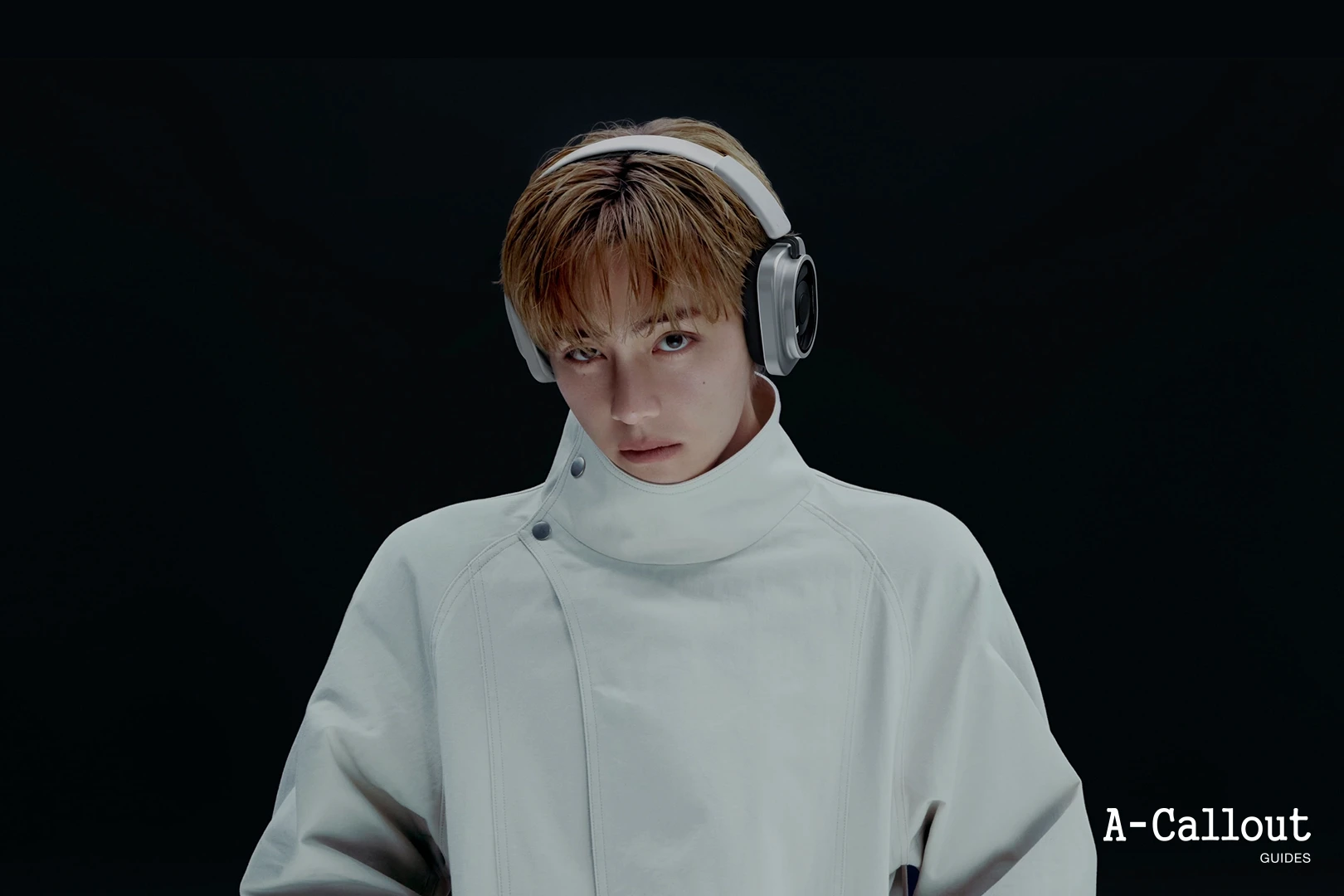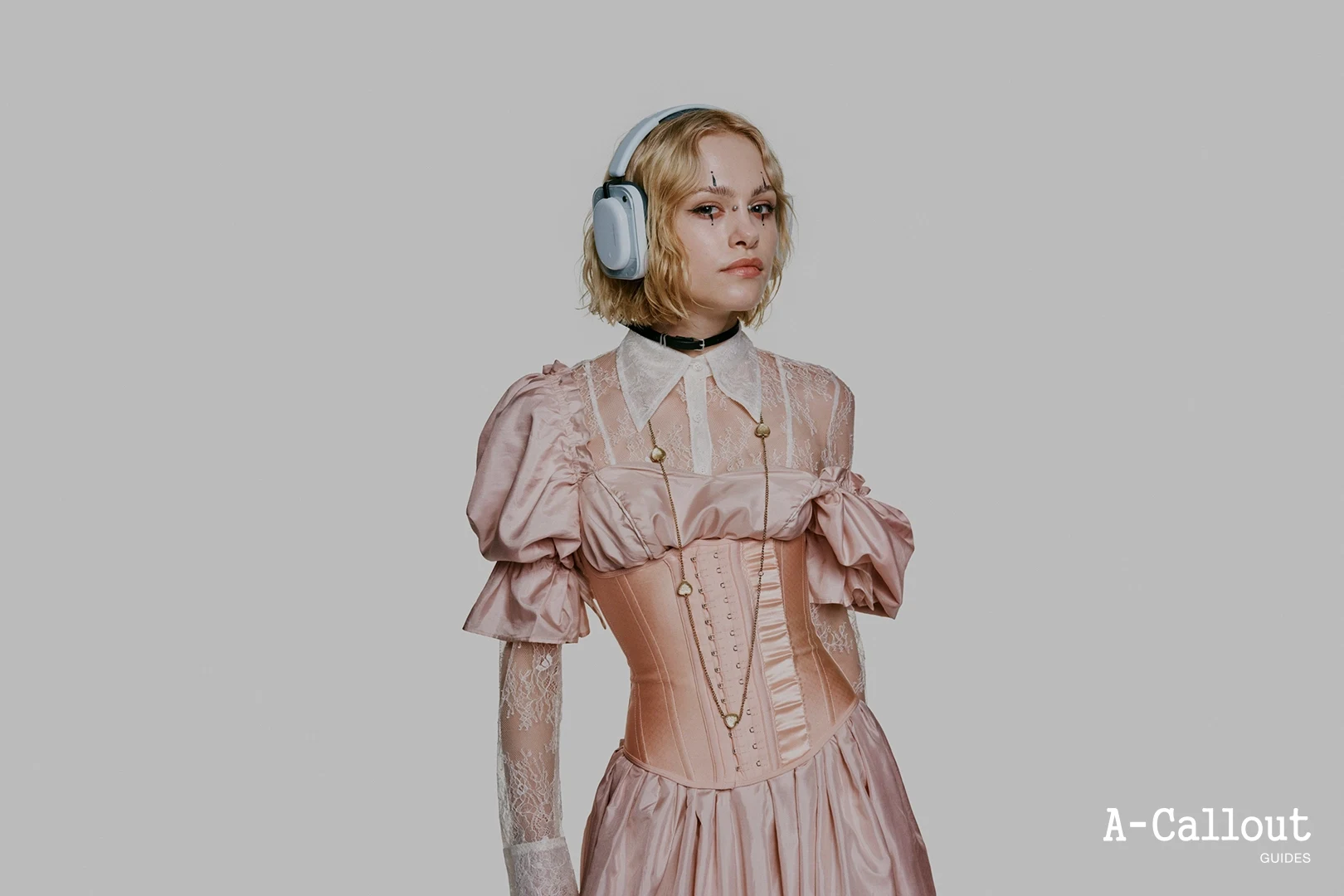
What should entry-level wireless headphones deliver in 2026? For many buyers, the question is not just about price but whether affordable still means trimmed features, delicate finishes, and obvious compromise. The Nothing Headphone (a) reframes that expectation. Rather than presenting itself as a lesser flagship, it proposes a new baseline for everyday over-ear audio: long-lasting, tactile, and built to be worn without ceremony. At the center of this shift is battery life. Up to 135 hours of playback without active noise cancellation alters user behavior. Headphones stop being something you manage and start being something you rely on. Even with ANC enabled, performance stretches across a week of commuting. Add fast charging and the anxiety around power fades into the background. Entry-level no longer implies constraint.
The design reinforces this position. Nothing retains its semi-transparent, boxy silhouette but introduces bolder colorways that embrace visibility rather than stealth. Plastic replaces aluminum, making the headphones lighter. This is not faux luxury but recalibration. The industrial design reads as intentional and contemporary, while the IP52 rating signals readiness for weather, sweat, and real life. These are daily equipment, not precious objects.
Physical Controls Over Touch
Crucially, the interaction model rejects the industry fixation on touch panels. The Roller, Paddle, and Button controls are mechanical and unambiguous. Volume, track navigation, voice assistant, noise control, and camera triggering on compatible phones are handled through physical gestures that reward muscle memory. In a market where swipe controls often misfire, the return to tactility feels pragmatic rather than nostalgic.
Sound Quality and Customization
Sound quality reflects a deliberate balancing act. The 40mm titanium-coated drivers deliver bass-forward tuning that feels contemporary without overwhelming detail. LDAC support extends high-resolution streaming to a price tier where it remains uncommon. The Nothing X app's multi-band EQ and community presets add flexibility, acknowledging that entry-level users still expect control. Customization is no longer exclusive to premium models.
ANC and Everyday Performance
Active noise cancellation performs solidly within its class, using multiple microphones and adaptive modes to manage low-frequency distractions in offices and commutes. It does not claim the refinement of flagship Sony, Bose, or Apple systems, but that is the point. The Headphone (a) avoids the arms race of bleeding-edge performance and consolidates features that matter most to daily use.
Category Context and Market Shift
Placed alongside other recent releases, the broader context sharpens. Travel-focused models emphasize tuned ANC for flights. Wired audiophile options foreground exotic materials. Heritage brands offer accessible entries without abandoning craft. Across the category, there is noticeable recalibration: durability, battery longevity, and tangible materials over glossy futurism. The Headphone (a) sits confidently within this moment, arguably defining it at its price.
A New Baseline for Entry-Level
For readers searching for the best affordable wireless ANC headphones or long battery life over-ear options, the deeper question is less about specifications and more about use. How often do they need charging? Do the controls respond predictably? Can they survive daily wear? The Headphone (a) answers by emphasizing endurance, physical feedback, and recognizable design.
In doing so, it signals a meaningful shift in audio culture. Entry-level no longer needs to feel provisional. It can be expressive, technically competent, and mechanically satisfying. The Nothing Headphone (a) suggests that consumer audio's future will not be defined solely by thinner profiles or smarter algorithms, but by products confident enough to be handled, heard, and lived in every day.
April 2, 2026
Related Article