The Neo Geo AES+ and the Case for Engineered Preservation

The Neo Geo AES+ reconstructs SNK’s original hardware with newly engineered ASICs, cartridge compatibility, and modern HDMI output, framing classic gaming as preservation rather than emulation.

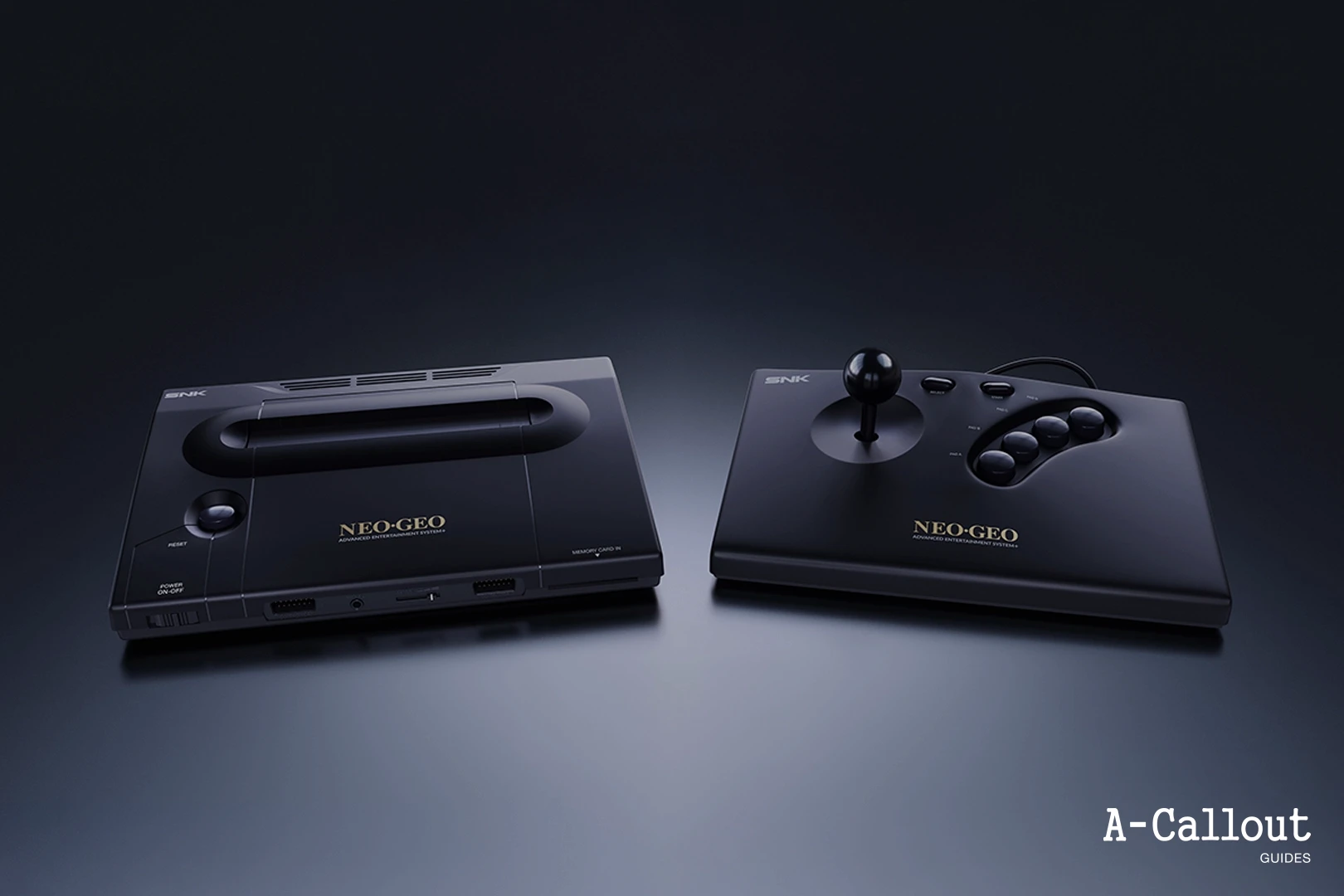
Anyone searching for the Neo Geo AES+ is likely asking a deceptively simple question: is this just another retro console, or something fundamentally different? After years of miniature throwbacks and emulation boxes, the distinction matters. The AES+ positions itself not as a nostalgia device but as a preservation-grade reconstruction of SNK's original Advanced Entertainment System, built to function in today's living rooms without dissolving what made the original hardware distinct.

The core of the Neo Geo AES+ is not emulation. Instead of mimicking behavior through software, SNK and Plaion Replai developed new ASICs to reproduce the logic of the original 16-bit hardware. That technical decision is the philosophical center of the project. Emulation prioritizes convenience; re-engineered silicon prioritizes continuity. By recreating hardware behavior at the chip level, the AES+ treats the original console less as a brand to be revived and more as an artifact to be conserved.


Preserving the Physical Experience

This is not a cosmetic exercise. The system accepts full-size AES cartridges, both original 1990s releases and newly produced titles, through a proper cartridge slot. The 15-pin joystick connector remains intact, supporting original controllers while allowing modern wireless options. These details preserve the tactile and electrical logic of the original ecosystem. The feel of insertion, the click of the arcade stick, the physicality of swappable cartridges: these are structural elements of the Neo Geo experience.

The AES+ also acknowledges contemporary display realities. Low-latency HDMI output at 1080p allows clean integration into modern setups without scalers or converters. It retains A/V output for flexibility while accepting that S-Video and RGB are no longer default expectations. This balance, authentic internal architecture paired with pragmatic modern output, distinguishes restoration from repetition.

Selective Refinement Without Reinvention

Where the system moves beyond conservation is in selective refinement. Built-in overclocking through DIP switches addresses slowdown present in some original games, offering users the option to prioritize performance without rewriting underlying software. Permanent high-score saving removes the fragility of battery-backed memory. These enhancements do not modernize the Neo Geo into something else; they stabilize it. The architecture remains intact, but its weak points are thoughtfully reinforced.

The launch lineup of ten physical cartridges, including Metal Slug, Garou: Mark of the Wolves, The King of Fighters 2002, and Samurai Shodown V Special, reinforces the commitment to format. Each title is sold as a discrete, full-size cartridge rather than bundled ROM data. Multiple hardware editions further frame the AES+ not as a toy but as a considered object inviting collecting, display, and long-term use.

Engineering the Past Forward

The original AES was prohibitively expensive in the early 1990s, a near-mythic home translation of arcade hardware. The AES+ does not attempt to democratize that exclusivity through mass-market simplification. Instead, it preserves the modularity and seriousness of the original while recalibrating for contemporary manufacturing and display standards.

The Neo Geo AES+ answers a broader question facing retro gaming: should the past be compressed and simulated, or reconstructed and maintained? By choosing newly engineered ASICs over emulation, cartridge compatibility over internal game libraries, and hardware-level authenticity over convenience, it argues for the latter. This is not about reliving childhood through softened memories. It is about acknowledging that certain machines deserve to be engineered forward. The AES+ suggests a future for classic gaming defined less by novelty and more by stewardship, where legacy hardware is not imitated but carefully restored for another generation of use.

May 14, 2026

next up

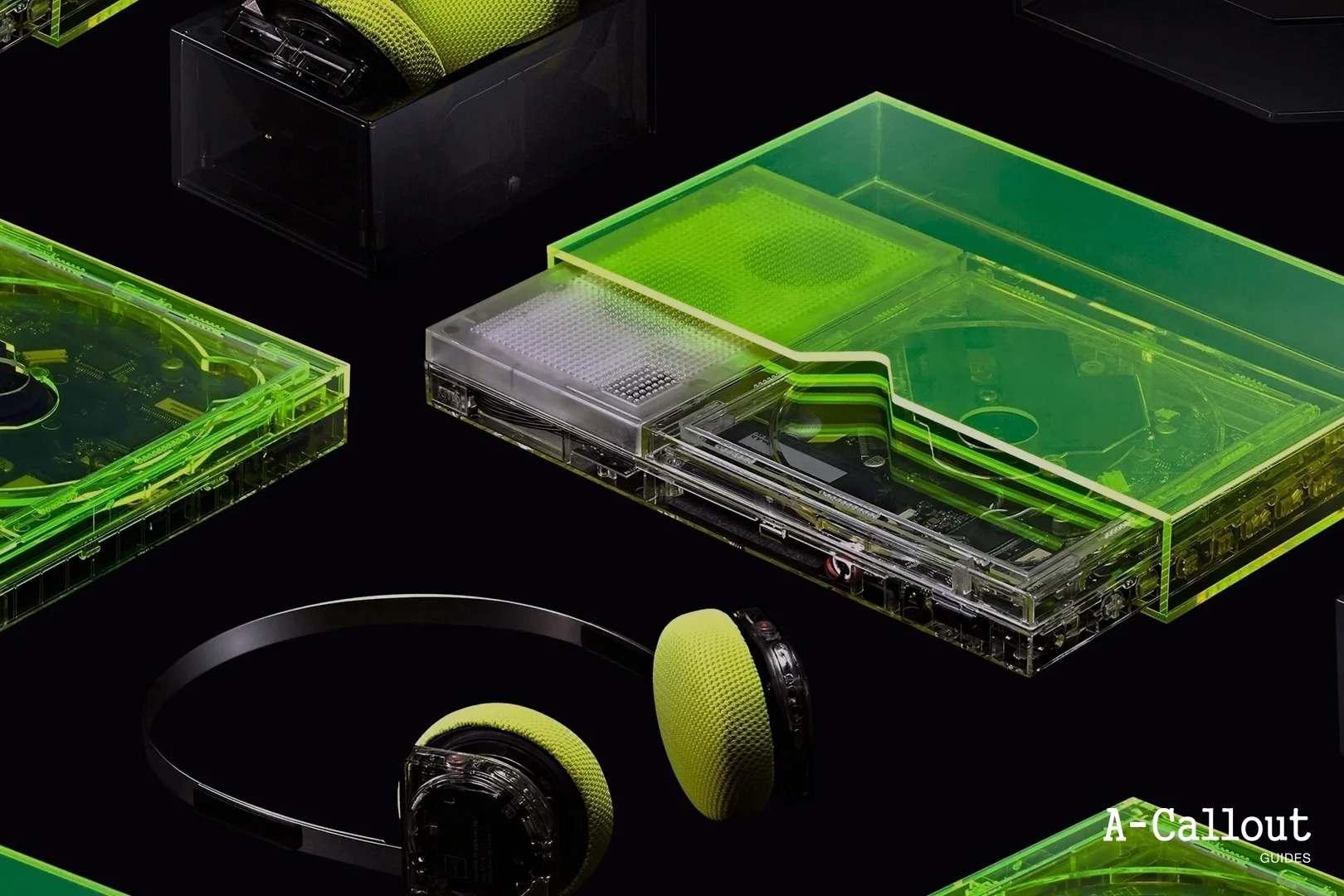
km5's Neon Collection: When Audio Equipment Becomes Spatial Design

km5’s Neon Collection reframes audio equipment as spatial design, using transparency, neon accents, and visible circuitry to position CD players and headphones as interior objects rather than hidden electronics.

May 7, 2026

GUIDES
Nike x Beats Powerbeats Pro 2: The Earbud as Athletic Insignia

The Nike x Beats Powerbeats Pro 2 reframes sports earbuds as integrated performance tools, combining biometric monitoring, audio control, and athletic identity within a single in-ear device.

April 30, 2026

GUIDES
The MPC Sample and the Era of Pocket-Sized Professional Samplers

The Akai MPC Sample is a battery-powered, sub‑$500 sampler that pairs classic MPC design cues with modern sequencing, portable recording, and streamlined workflow for mobile music production.

April 23, 2026

GUIDES
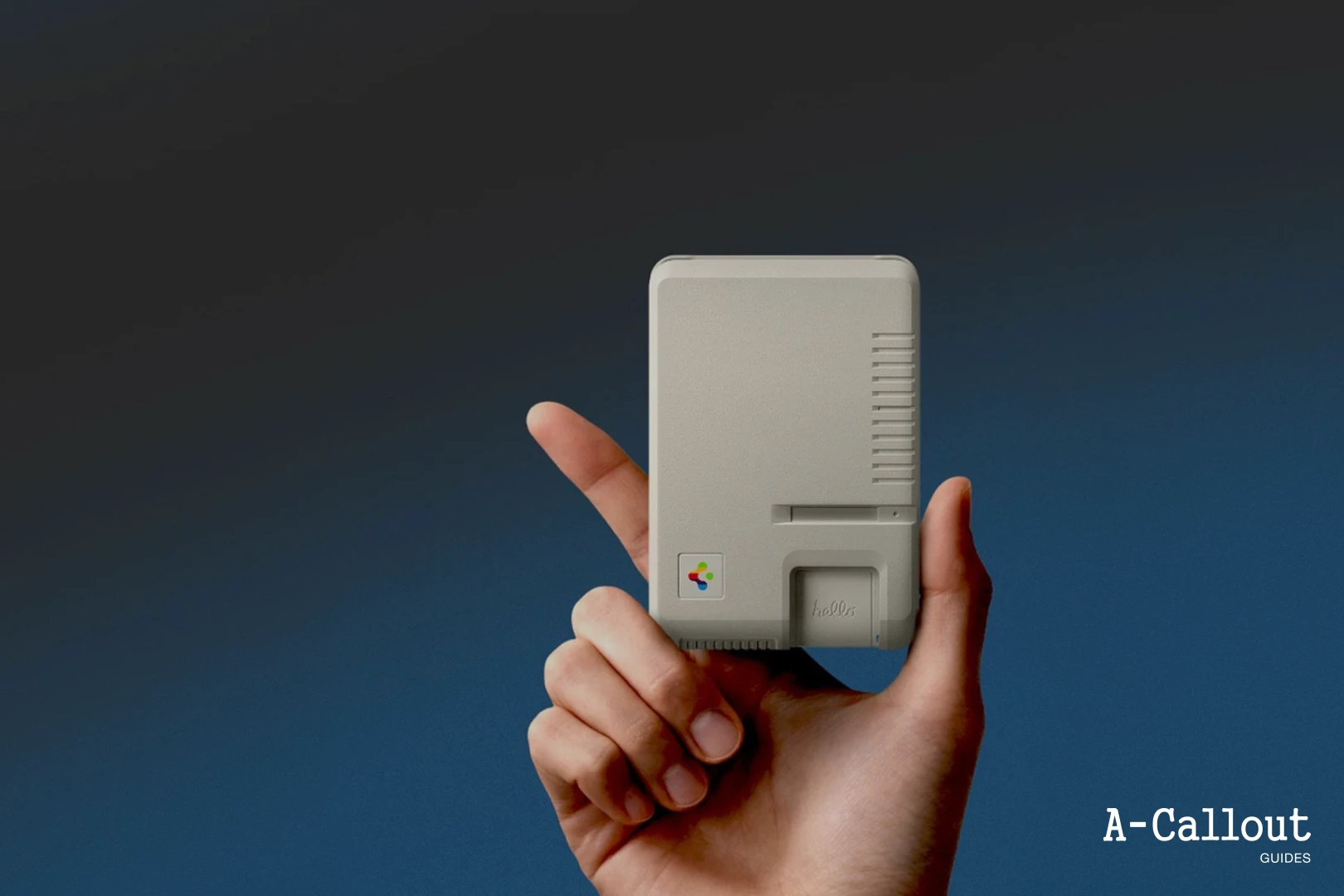
Spigen's Classic LS MagSafe Wallet: A Tactile Link to Apple's Design Heritage

Spigen’s Classic LS MagSafe Wallet combines a slim, three-card magnetic holder with a tactile homage to the Macintosh 128K, embedding computing history into an everyday iPhone accessory.

April 16, 2026

GUIDES
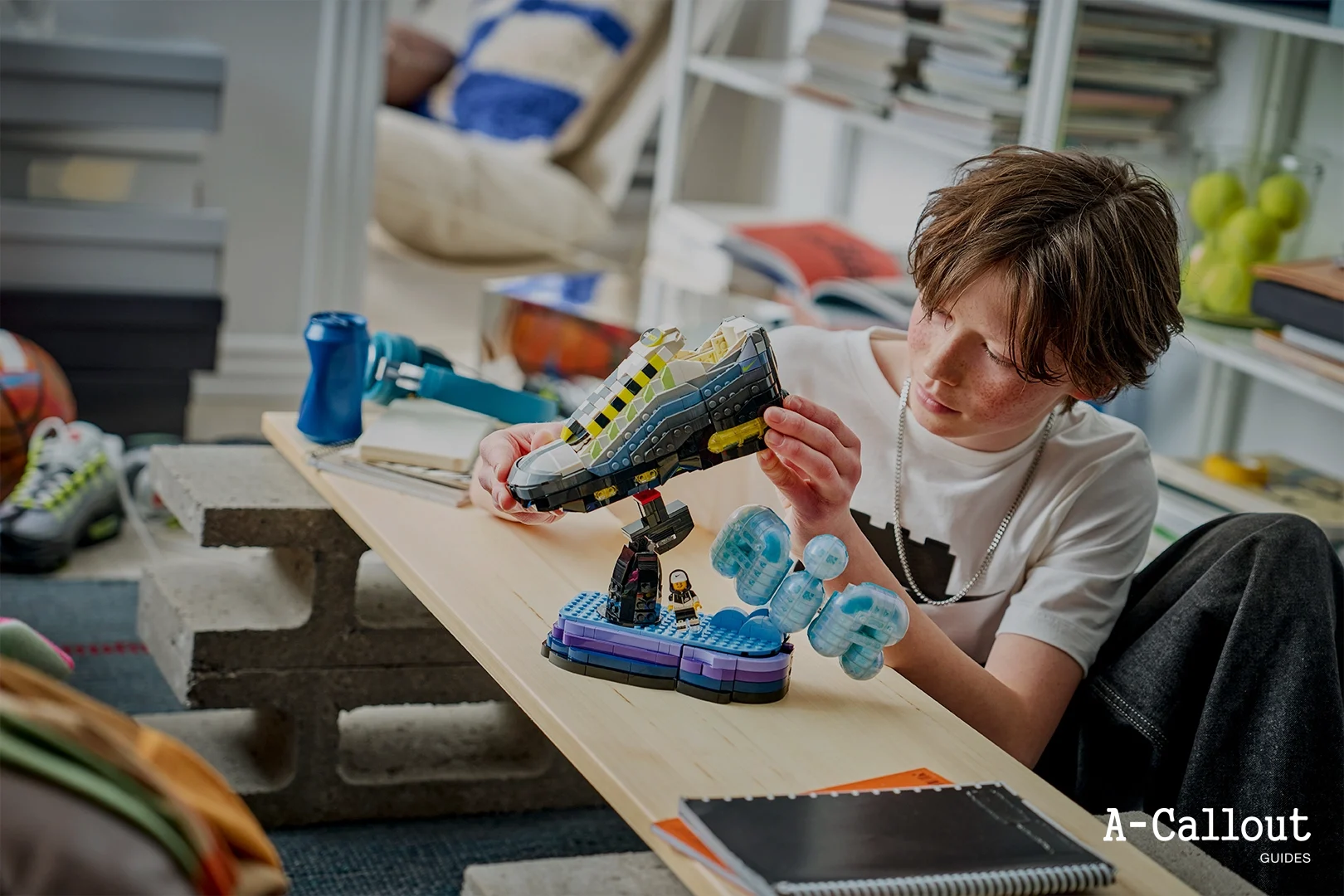
The LEGO Air Max 95 Neon Turns a Sneaker Icon Into a Study in Design

The 1,213-piece Nike and LEGO Air Max 95 collaboration reframes the heritage sneaker as a buildable archive, transforming a performance icon into a dissectible display object.

April 9, 2026

GUIDES
How the Nothing Headphone (a) Redefines Affordable Over-Ear Audio

The Nothing Headphone (a) reframes entry-level wireless audio with extended battery life, tactile controls, durable design, and balanced performance that prioritizes everyday reliability over flagship excess.

April 2, 2026

GUIDES
The MacBook Neo Asks: What If Less Were the Point?

An examination of Apple’s $599 MacBook Neo as a deliberately restrained, expressive alternative that reframes laptop value around sufficiency, personality, and environmental consideration rather than maximal performance.

March 26, 2026

GUIDES
Galaxy S26 Ultra: When Discretion Becomes the Premium Feature

The Galaxy S26 Ultra shifts Samsung’s flagship philosophy toward discretion, centering a hardware-integrated Privacy Display and refined design that prioritize attention control over spectacle and overt material expression.

March 19, 2026

GUIDES
Sony WF-1000XM6: When Premium Earbuds Disappear Into Daily Life

Sony’s WF-1000XM6 reframes premium earbuds as adaptive, unobtrusive infrastructure for modern attention, emphasizing natural sound, calibrated noise cancellation, and software-driven control over headline-grabbing specifications.

March 12, 2026

GUIDES
Ferrari Luce: How Craft, Not Screens, Defines the Electric Interior

Ferrari’s first electric model, developed with Jony Ive and LoveFrom, prioritizes tactile controls, material precision, and restrained digital integration over screen-driven spectacle.
March 5, 2026

GUIDES
How CASETiFY and G-DRAGON Turned the Phone Case Into Fashion Infrastructure
CASETiFY’s 15th anniversary CHROMATIC collaboration with G-DRAGON reframes the phone case as fashion infrastructure, emphasizing material presence, modular design, and artist-led direction over surface graphics or branding.

February 26, 2026

GUIDES
Sony PS-LX3BT and PS-LX5BT: Vinyl Without the Ritual

Sony’s PS-LX3BT and PS-LX5BT reposition the turntable as a fully automatic, Bluetooth-enabled audio source designed to integrate seamlessly with contemporary wireless listening ecosystems.

February 19, 2026

GUIDES
The Anti-Gadget Approach: Why VITURE's The Beast Bets on Invisible XR

VITURE’s The Beast reframes XR glasses as a discreet, spatial workstation, favoring comfort, daylight usability, and anchored virtual screens that support ordinary tasks without demanding attention.

February 12, 2026

GUIDES
Audi's R26: Formula 1 as Brand Infrastructure

Audi’s R26 presents Formula 1 as a brand operating system, using integrated design, in-house engineering, and partnerships to prototype identity beyond immediate racing results.

February 5, 2026

GUIDES
Samsung Music Studio 5 and 7: When Speakers Become Furniture

Samsung’s Music Studio 5 and 7 present speakers as restrained interior objects, combining controlled, AI-tuned sound, spatial projection, and seamless connectivity to integrate audio quietly into living spaces.

January 29, 2026

GUIDES
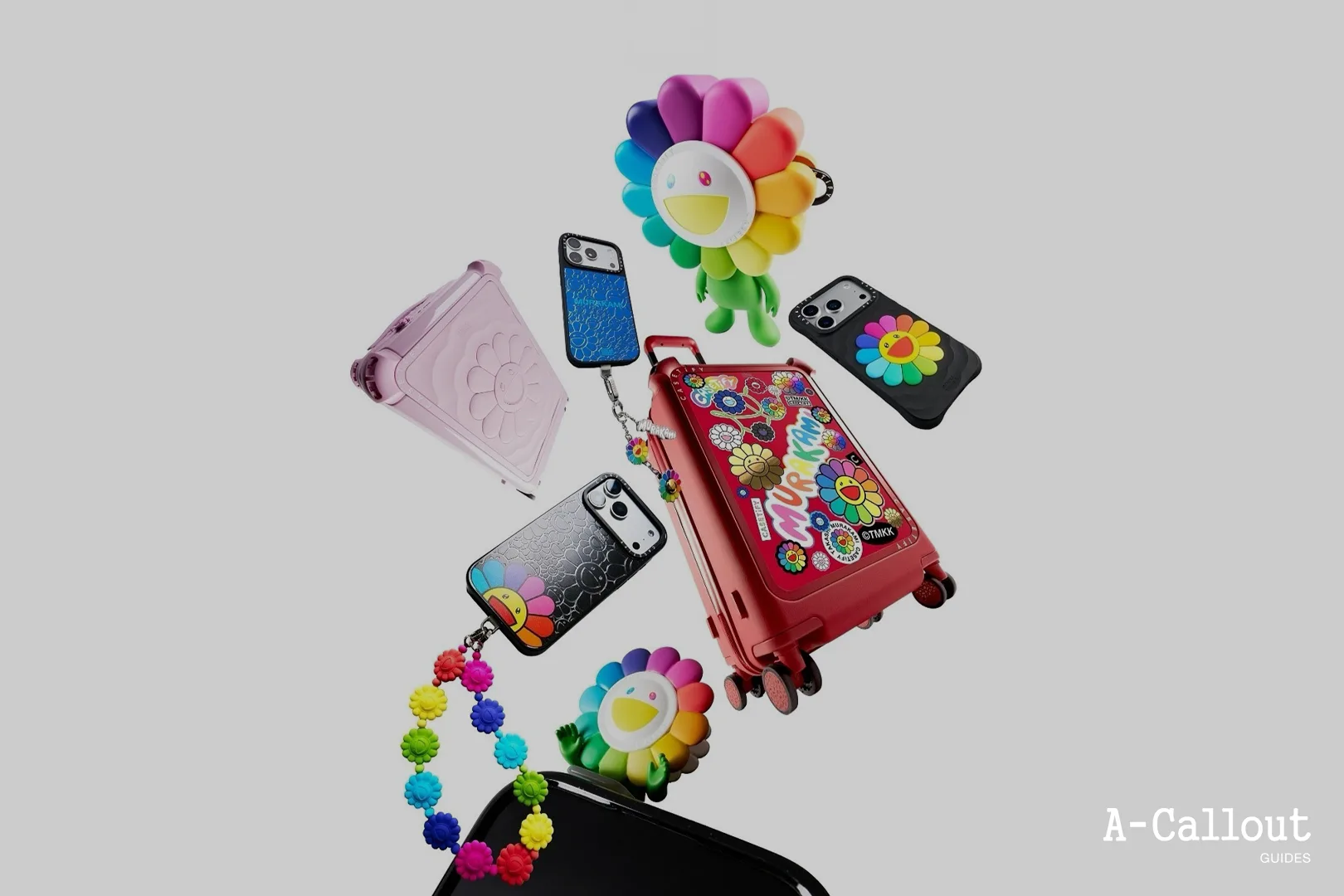
Murakami's CASETiFY Collection Turns Tech Accessories Into Wearable Art Archives

The Murakami x CASETiFY Flowers Bloom collection reframes tech accessories as cultural containers, using setsugetsuka, modular systems, and participatory scarcity to position ownership as ongoing engagement.

January 23, 2026

GUIDES
MobED and the Quiet Rise of Platform Robotics

Hyundai’s MobED exemplifies a shift toward autonomous systems designed for integration, emphasizing mechanical stability, embedded sensing, and modular adaptability over interaction, personality, or spectacle.

January 15, 2026

GUIDES