What is really being sold when an artist collaborates on phone cases and luggage: protection, decoration, or something closer to art ownership?
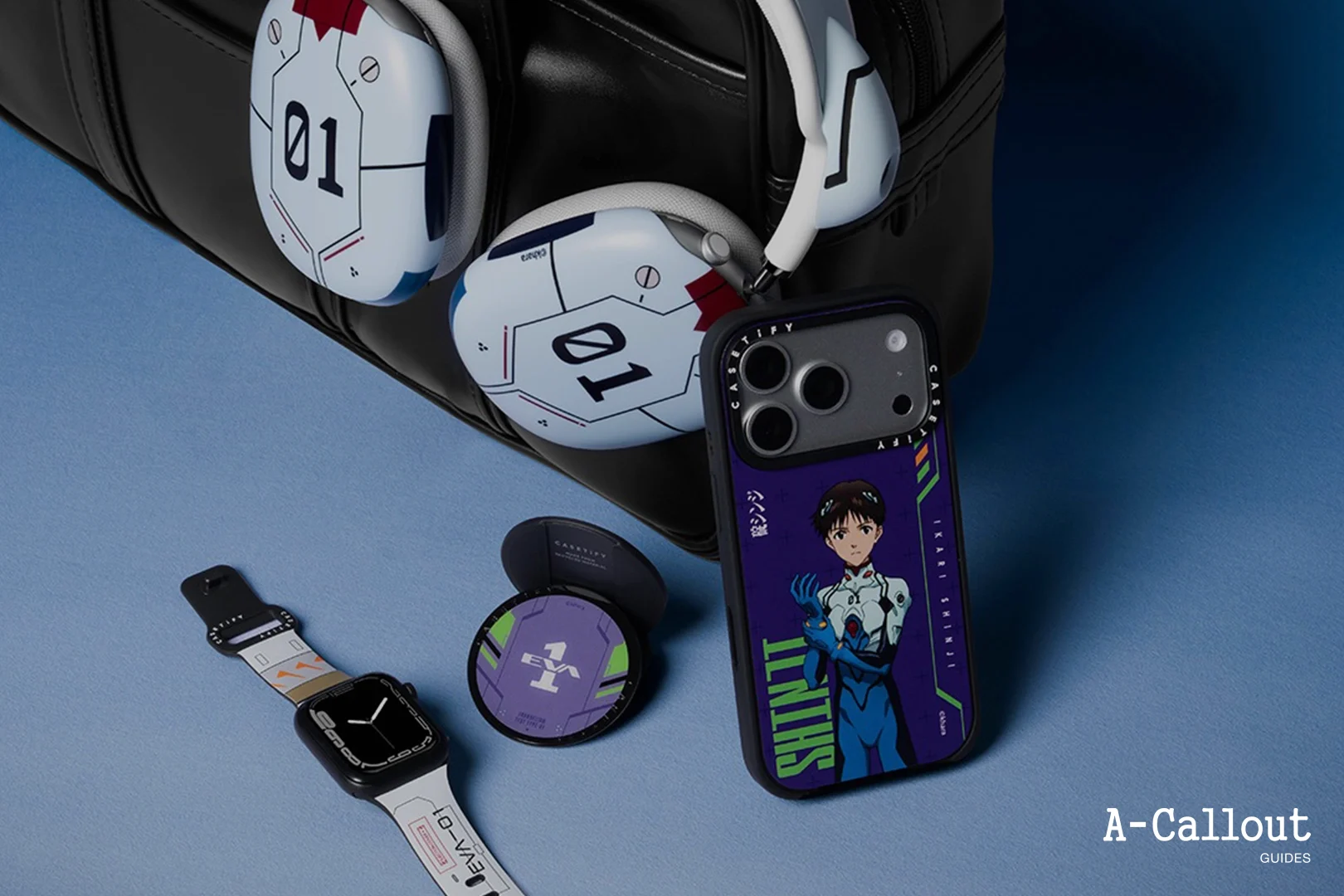
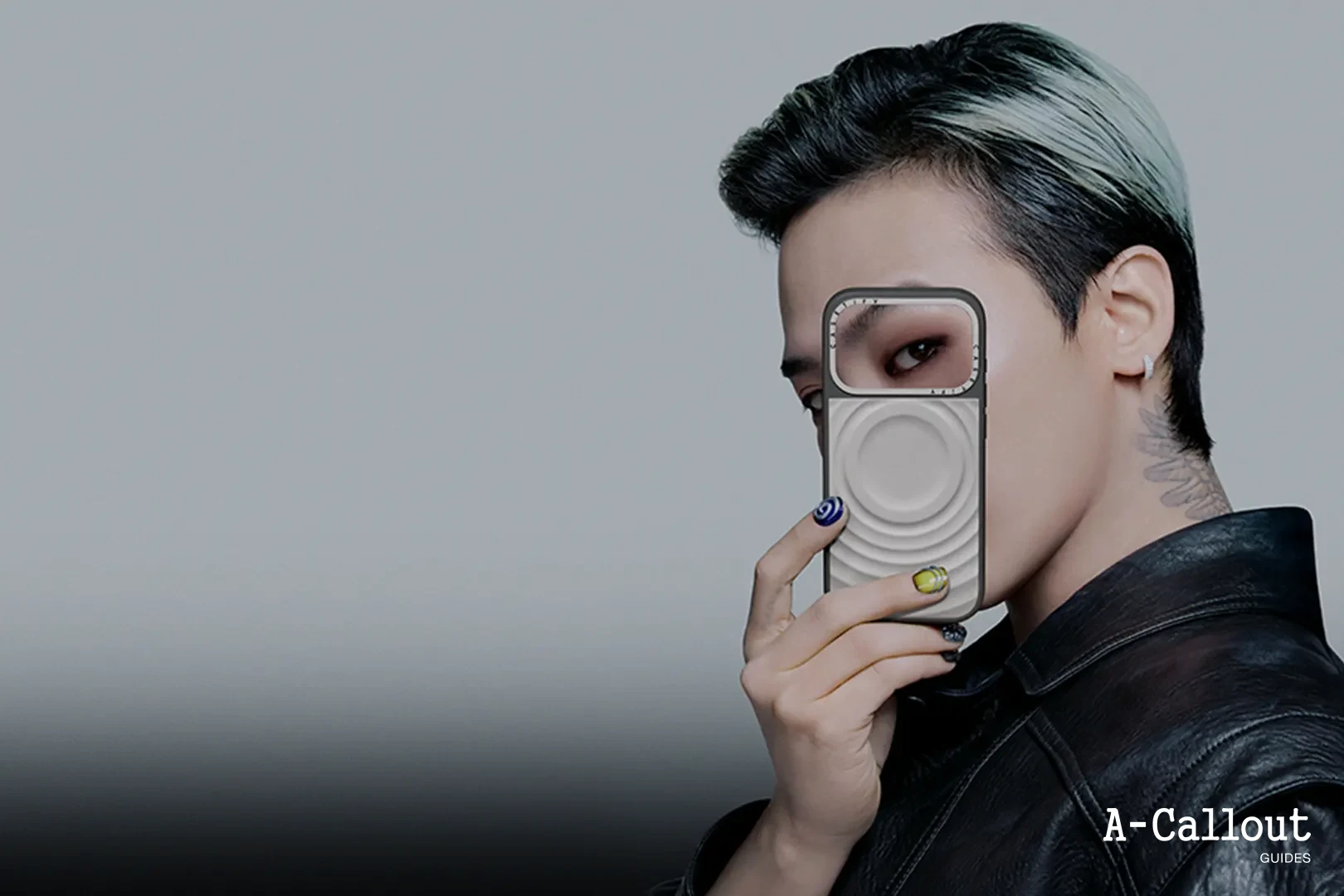
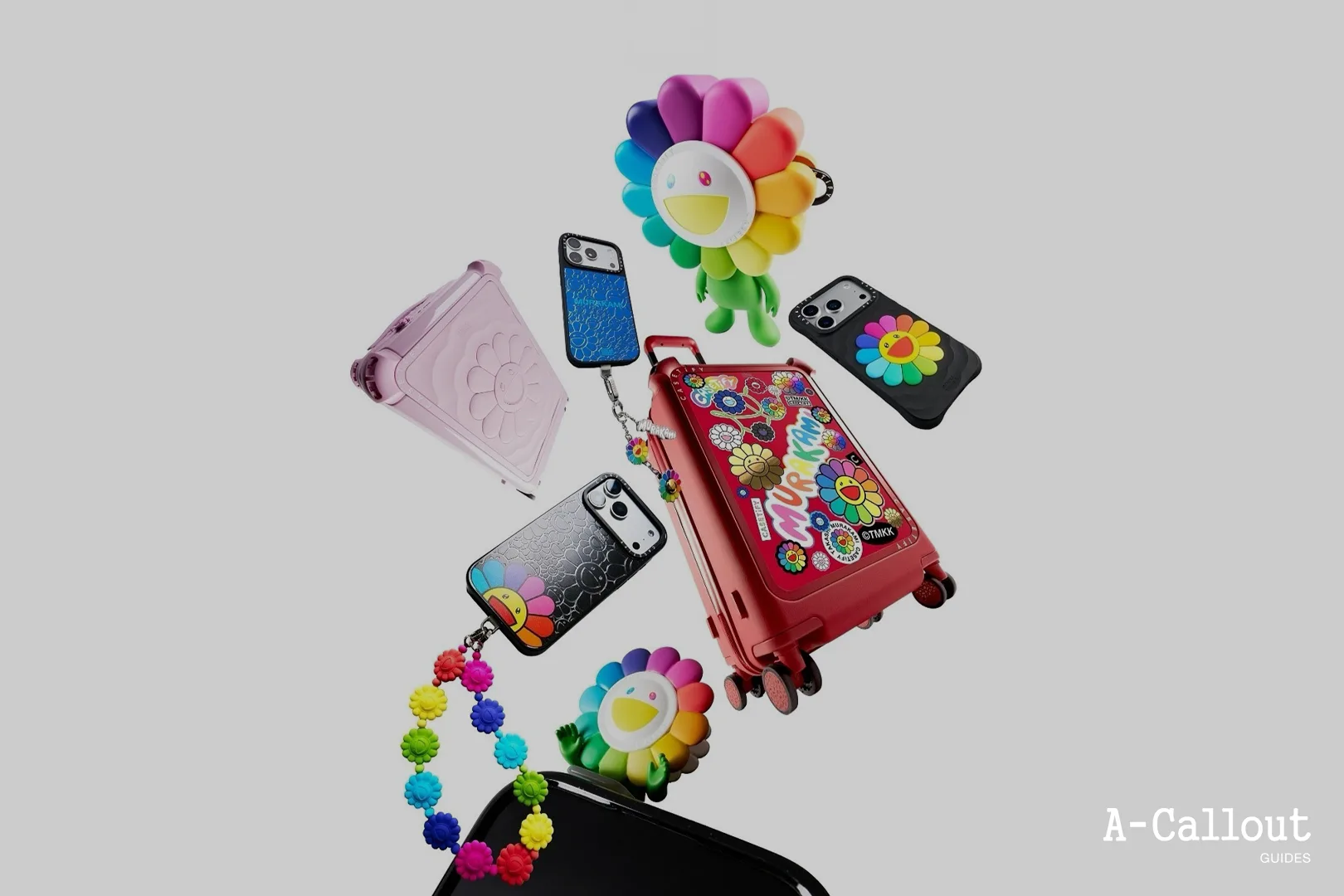
The Takashi Murakami x CASETiFY Flowers Bloom collection sits precisely at that question, reframing everyday tech accessories not as peripherals but as cultural containers - objects designed to be handled constantly, circulated publicly, and emotionally invested in over time. From the outset, this collaboration resists being read as a standard accessory drop. Its organizing principle is setsugetsuka, the Japanese aesthetic concept that finds beauty in the cycle of snow, moon, and flowers. The collection distributes that seasonal logic across an entire ecosystem: phone cases, chargers, travel gear, charms, and paper ephemera. The result is not a single hero product but a modular world, where personal technology becomes the primary surface for visual storytelling.
Participation Over Protection
The appeal lies in how utility is intentionally secondary. Protection exists, but more importantly, it provides an excuse to participate. Blind-box Ripple cases introduce chance and anticipation. Promotional cards and danglers reward completion and display. Ultra-rare editions, including versions in precious materials, escalate scarcity without changing underlying function.
These strategies create an accessible art market operating at the scale of pockets and carry-ons, borrowing logics from collectibles, fashion drops, and exhibition merchandising without fully belonging to any category.
Systems as Creative Infrastructure
CASETiFY's role here is critical. Known for turning customization into infrastructure, the brand provides Murakami with a platform extending beyond imagery into systems. The blind box, the limited run, the charm attachment - these are mechanisms, not flourishes.
They encourage repetition, comparison, and social recognition, transforming the phone case from a static purchase into an evolving archive of affiliation. Ownership becomes participatory rather than final.
Mobility as Display
Travel accessories push the idea further. Luggage decorated with sculptural 3D blooms refuses the anonymity usually associated with transit gear. In airports designed around neutral sameness, these pieces insist on presence.
They turn mobility into display, suggesting that personal identity intensifies rather than pauses while traveling. The suitcase becomes a moving exhibition wall, legible from a distance and embedded in daily logistics.
Coherence With Mass Production
What distinguishes this collaboration from earlier art-meets-tech experiments is its coherence. Murakami's visual language - already fluent in commercial circulation - does not fight mass production's constraints but uses them.
High saturation, repetition, and modularity align naturally with phone cases and chargers that are replaced, stacked, or upgraded over time. The work acknowledges impermanence while still promising meaning, an approach suited to objects we touch dozens of times daily.
Art as Habit
The Flowers Bloom collection is less about decorating devices and more about repositioning them. Personal technology becomes a wearable archive: a record of taste, timing, and participation that moves with the body. It absorbs scratches, travel histories, and social encounters, accumulating narrative far beyond its technical lifespan.
Art is no longer confined to walls; it lives in the transactional space between hand, screen, and public view. This shift explains why such collaborations resonate beyond fandom. They answer a contemporary desire for art that is integrated and repeatable rather than distant or precious. By embedding cultural value into utilities we already depend on, Murakami and CASETiFY suggest a future where artistic engagement is habit, not event. The object does its job, but it also remembers you - a small, portable proof that meaning can be built into the everyday.
January 23, 2026
Related Article