Most people searching for the Microsoft Surface RTX Spark Dev Box want to know what it actually is: a miniature Windows AI developer PC, a local alternative to cloud-based model work, or simply another high-performance Surface device. It is all of those things, but its significance is not found in the specification sheet alone. It matters because Microsoft is making local AI compute visible, physical, and ownable again.
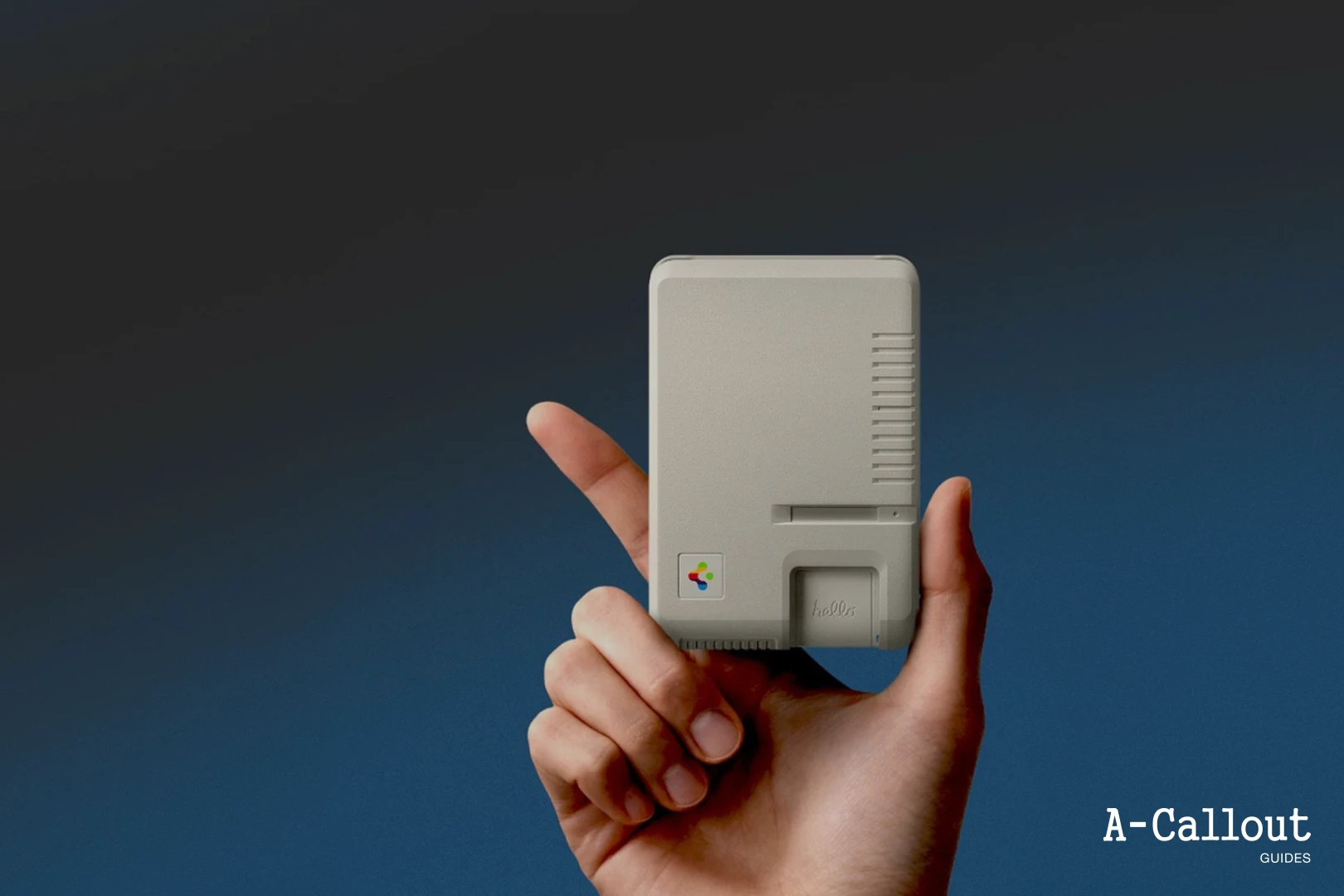
The Surface RTX Spark Dev Box is a compact, Arm-based mini PC built around Nvidia's RTX Spark silicon. Microsoft describes it as a purpose-built Windows AI developer box, with up to 1 petaflop, or 1,000 teraflops, of AI compute and 128GB of unified memory. That suits developers working with local AI models and agentic workflows, especially when every experiment does not need to run against a cloud service or consume paid tokens.
More interesting is how the design expresses that purpose.
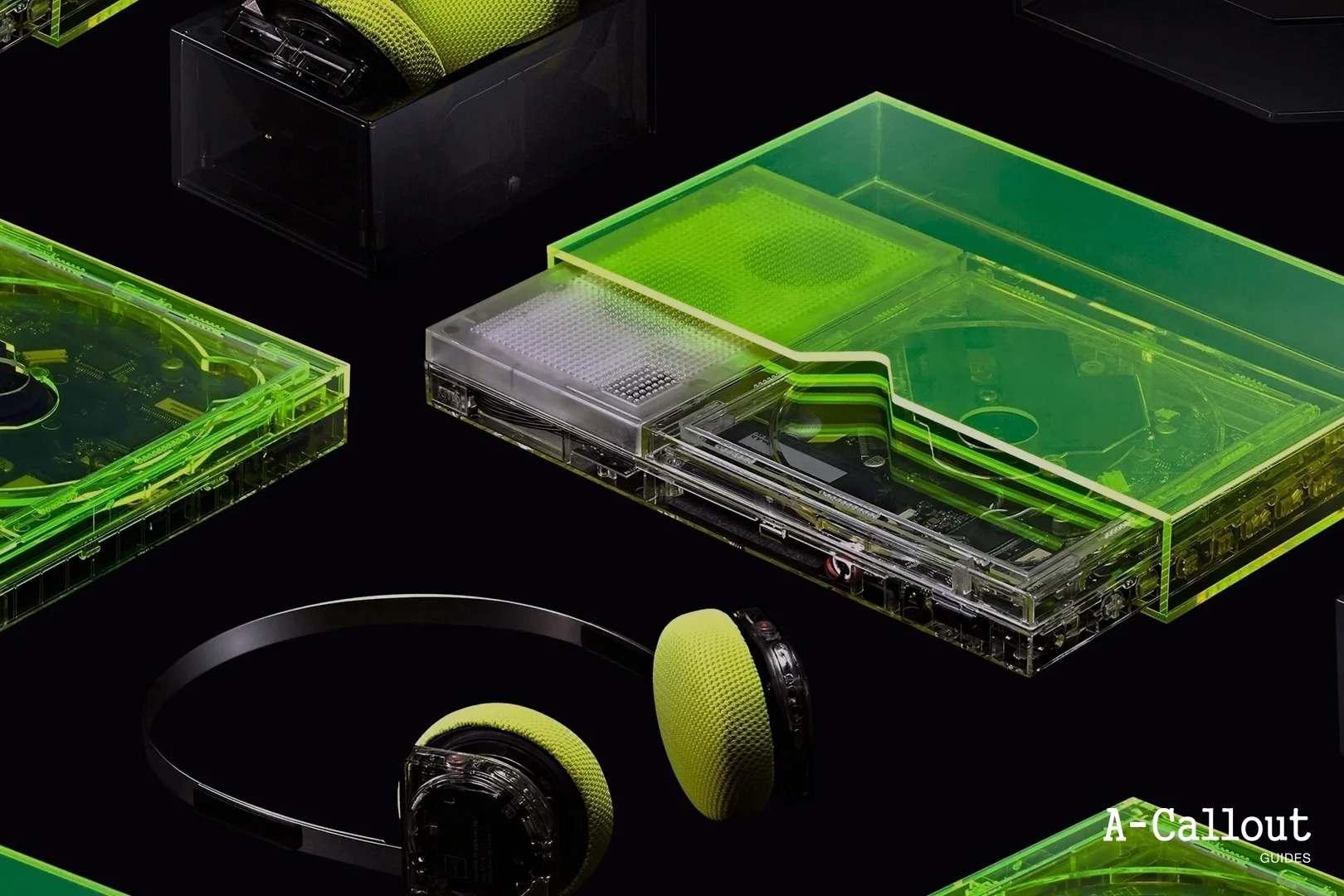
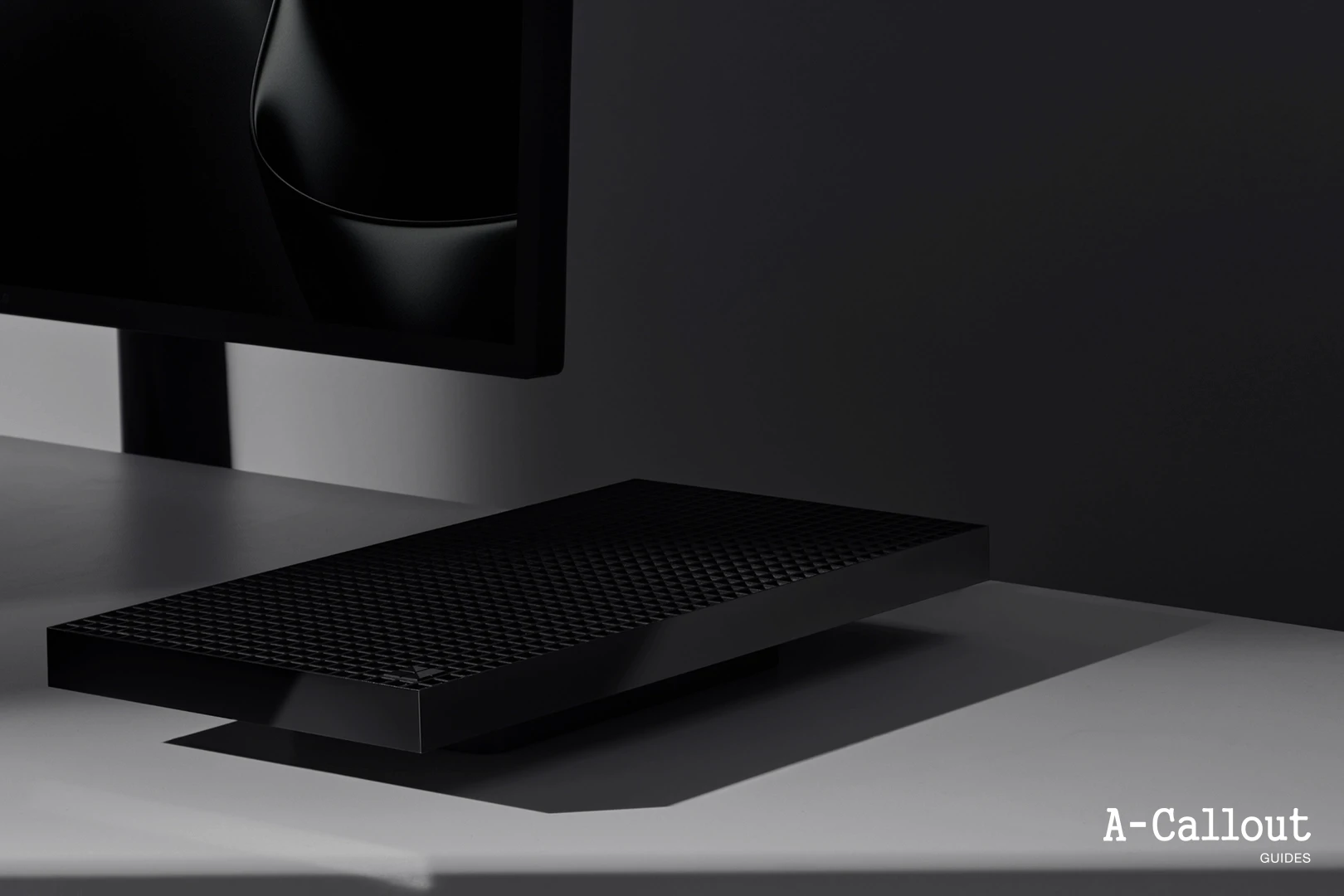
The chassis is 3D-printed aluminum, perforated by a grid of 1,000 air vents. Those vents are not decoration. They cool the system, support sustained workloads, and visually echo the machine's performance claim. In a category often reduced to abstract benchmarks, Microsoft has turned thermal management into identity.
That is why the device reads less like a conventional desktop PC and more like industrial sculpture.
It is a dense slab of compute for the desk: flat, compact, and deliberately technical. The perforated surface recalls the language of consoles and workstations, but its intent is different. This is not a living-room object softened for entertainment. It is a developer tool made to sit in plain view, reminding its owner that AI infrastructure can be local rather than invisible.
The local-first message is central.
Much of modern AI development is tied to remote infrastructure, metered usage, and cloud dependency. The Dev Box proposes another rhythm: models can be tested, refined, and run on a machine physically present in the workspace, with cloud resources still available when needed. That does not make the cloud irrelevant. It restores a sense of possession and immediacy to the developer's relationship to compute.
Microsoft reinforces that idea through software as well as hardware.
The device is configured for developers, with Windows 11 Pro, a cleaner development-focused setup, WSL 2 with GPU passthrough and CUDA support, and tools such as VS Code, GitHub Copilot, Git, Python, and Node.js installed. The point is not merely that the box is powerful. Microsoft wants the first experience to feel like entering a workspace rather than unpacking a consumer PC full of distractions.
The ports and thermal envelope underline the same purpose.
The rear includes USB-C, USB-A, HDMI, Ethernet, and a headphone jack, while the system is designed for heavier sustained workloads than a laptop using the same RTX Spark family of chips. That matters for local AI development, where long-running inference, model experimentation, and GPU-heavy tasks benefit from stability as much as peak speed.
The Dev Box also sits within Microsoft's broader attempt to make Windows more credible for AI developers.
Build announcements around agent runtimes, container isolation, GPU-enabled Linux containers on Windows, and a more developer-friendly environment form the background. But the Dev Box is the clearest physical expression of that strategy. It turns a software platform story into an object.
Its design is therefore not incidental.
The thousand vents are a functional cooling system and a graphic statement at once. The aluminum body suggests durability and precision. The compact form makes the machine feel personal rather than infrastructural. Microsoft is not just selling the idea of fast local AI; it is shaping what local AI should look like when it returns to the desk.
That is the larger cultural shift embedded in the product.
AI compute has usually been discussed as something elsewhere: in data centers, platforms, subscriptions, and usage meters. The Dev Box argues for a different image. It makes compute tangible, possessed, and spatial. You can point to it. You can hear its fans, see its vents, and understand that the work is happening nearby.
For developers, the practical appeal is clear: local AI workloads, unified memory, Nvidia RTX Spark performance, and a Windows environment prepared for modern development.
For design observers, the more compelling point is how directly the object communicates its role. It does not hide its heat, density, or ambition. It turns them into form.
The Surface RTX Spark Dev Box is not important simply because it is small or powerful.
It is important because it gives local AI a physical vocabulary. In a moment when compute is often treated as an invisible service, Microsoft has made a machine that insists on being seen.
June 18, 2026
Related Article