The CASETiFY x Neon Genesis Evangelion collaboration answers a question running through contemporary product culture: when does fandom stop being merchandise and become design? The key point is not simply that CASETiFY has made Evangelion-themed tech accessories. It is that the collection translates the franchise's visual system into everyday objects with enough specificity to feel considered rather than decorative.
Neon Genesis Evangelion has always been more than a recognizable anime property. Its influence draws from a dense combination of color, mechanical form, psychological symbolism, and ritualized interface design. The Eva units, plug suits, Angels, A.T. Fields, warning graphics, and occult references form a language fans recognize instantly. This collection works because it treats that language as design material.
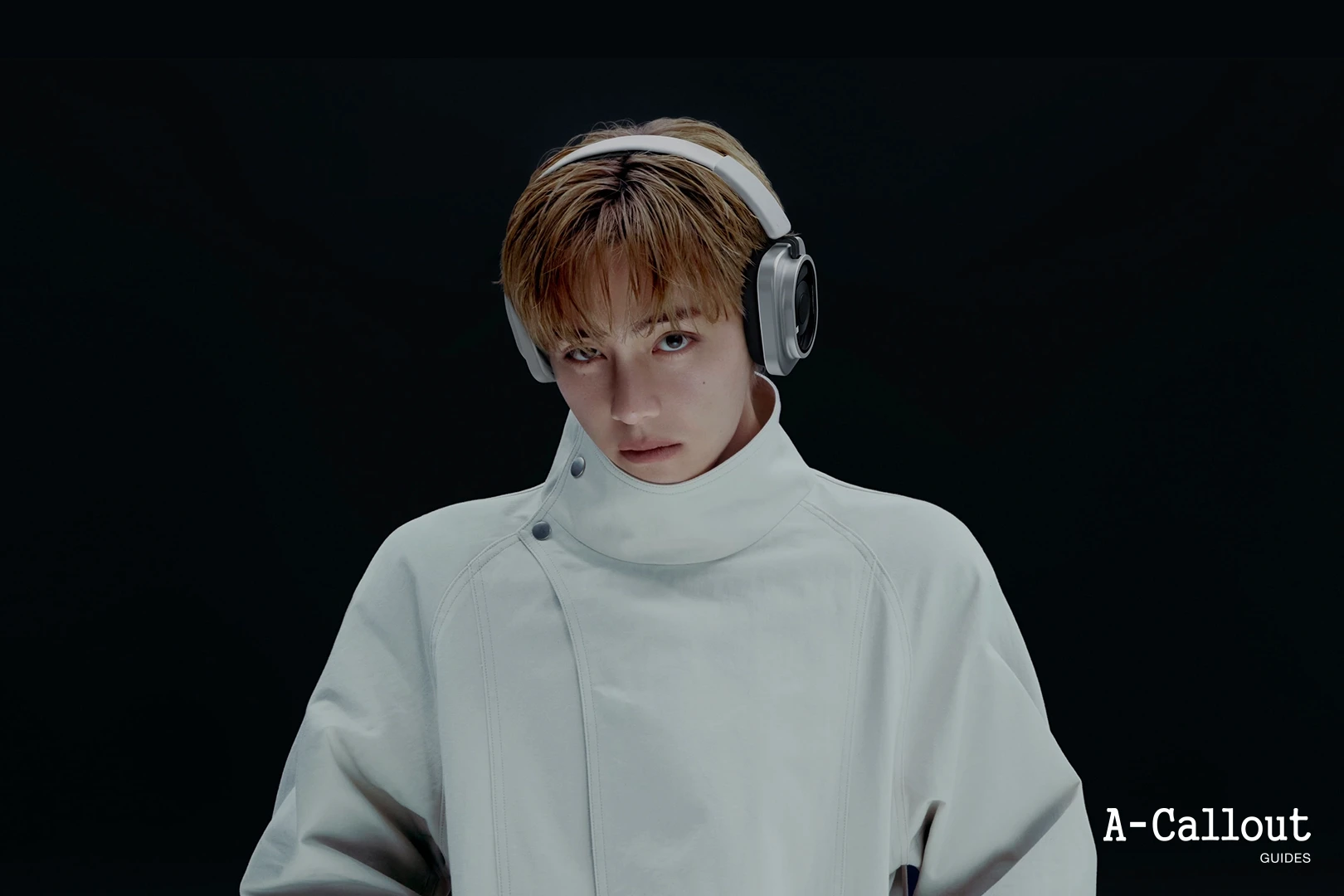
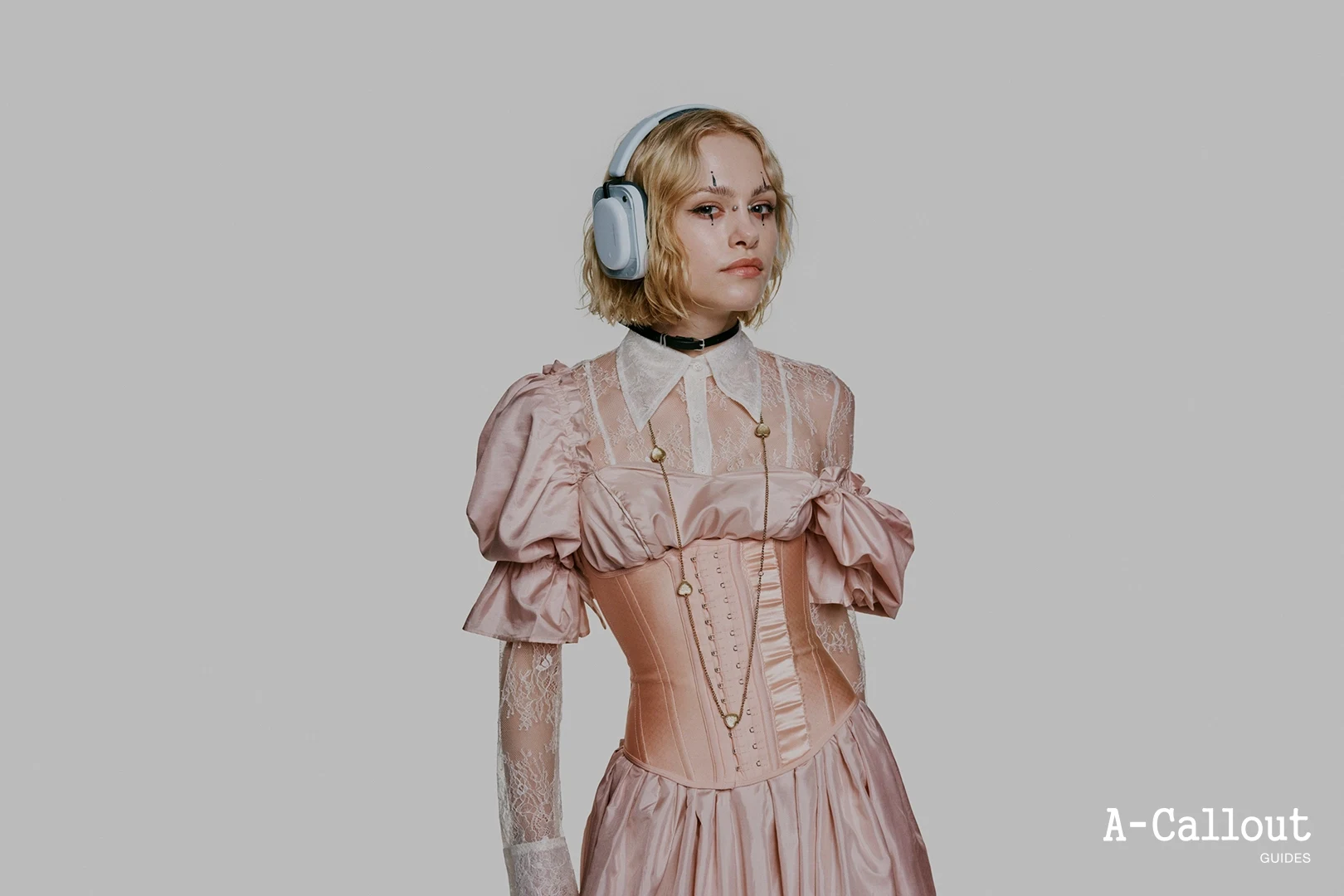
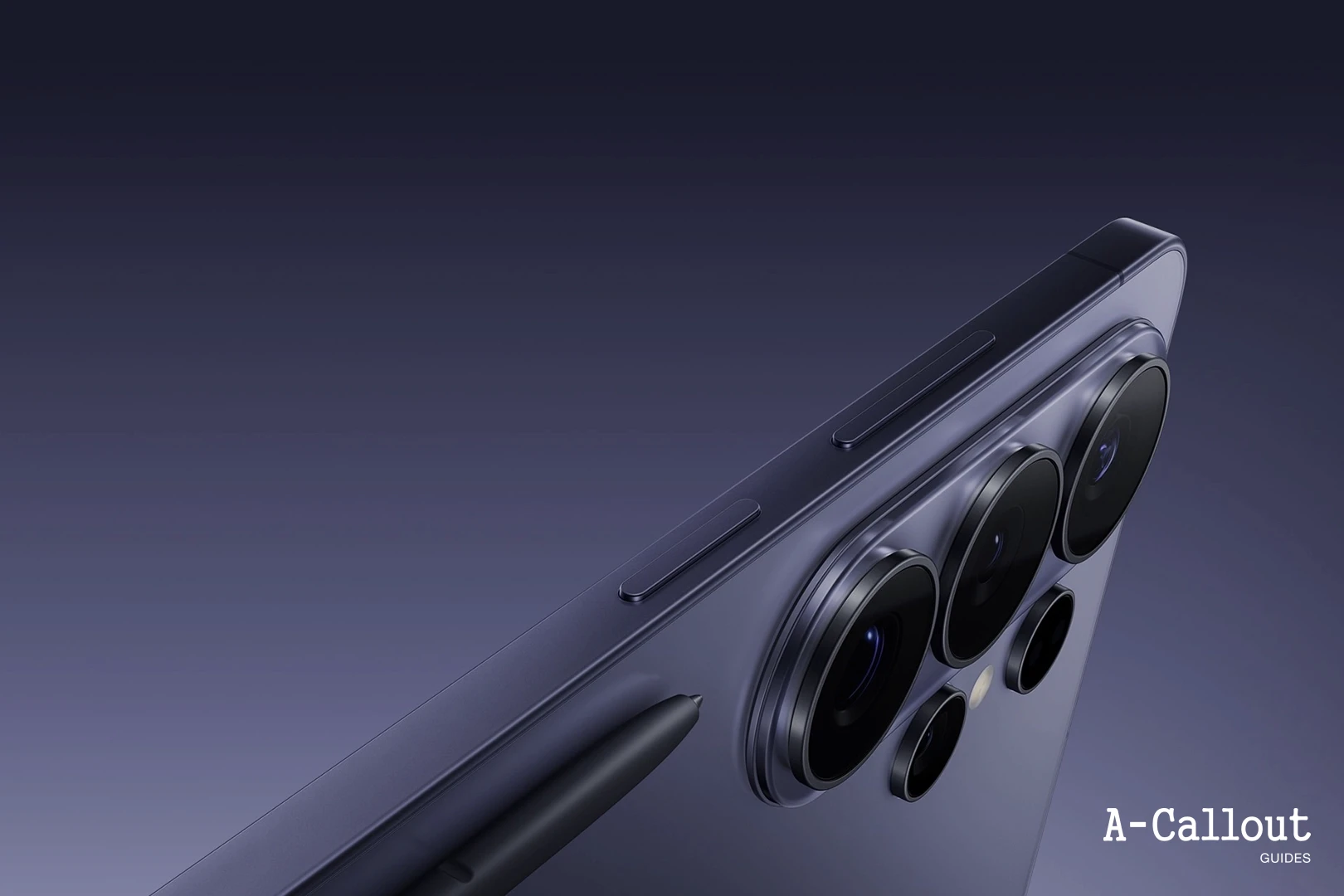
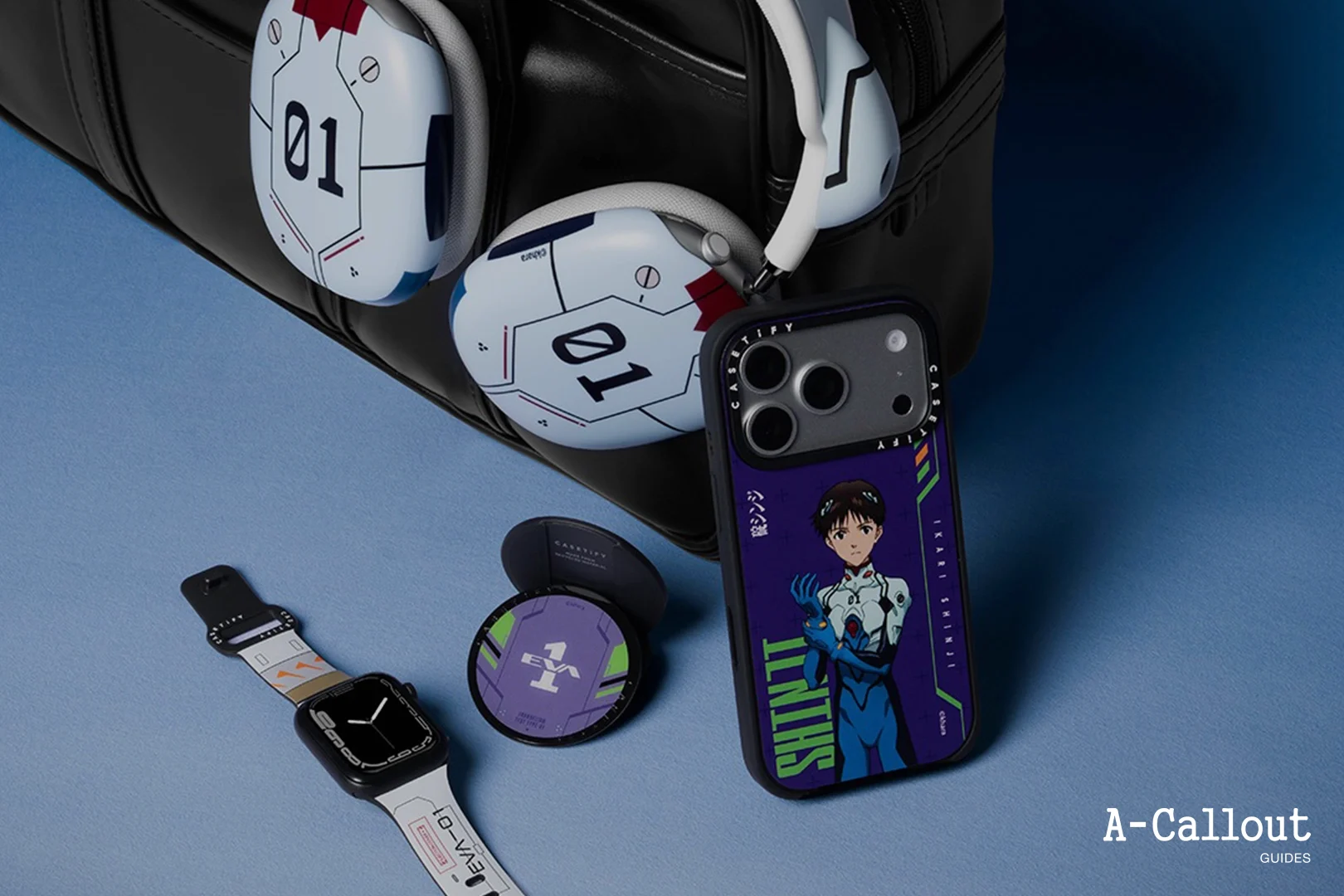
The range includes plug suit cases for AirPods Max, Angel-inspired grip stands, metal chain phone straps, and an A.T. Field magnetic wireless charger.
These are familiar consumer accessories, but the collaboration reframes them as carriers of narrative. Rather than placing a character image onto a case, the collection uses Evangelion's chromatic codes, mechanical detailing, and symbolic architecture to shape each object's identity.
That distinction matters.
Most licensed anime merchandise relies on recognition: a character face, a title mark, a famous scene. CASETiFY's approach is closer to industrial design adaptation. Color references pilots and units. Hardware detailing echoes the franchise's mechanical world. Angel iconography brings in the series' stranger, more abstract register. The A.T. Field charger turns one of Evangelion's central concepts into a functional accessory organized around energy, proximity, and protection.
The plug suit AirPods Max case is the clearest example.
In Evangelion, the plug suit is not just costume. It is equipment, identity, and mythology compressed into a single silhouette. Translating that reference into a headphone case turns a protective accessory into a sculptible collectible. The object still belongs to the world of tech accessories, but it reads as wearable lore: something functional that carries the emotional and visual weight of the source material.
The Angel-inspired grip stand and chain strap expand the collection beyond the obvious icons of Evangelion fandom.
The Angels are central to the franchise's visual power precisely because they are not conventional villains. They are geometric, biological, symbolic, and often unsettling. Bringing that language into phone accessories acknowledges that Evangelion's appeal extends well beyond its pilots and mecha.
The A.T. Field magnetic wireless charger may be the most conceptually precise object in the collection.
Within Evangelion, the A.T. Field is both a defensive barrier and an expression of individuality. As a charger, the reference gains practical resonance: wireless charging already depends on invisible energy crossing a small distance. The product does not simply display an Evangelion motif. It uses an Evangelion idea to clarify the accessory's own function.
This is why the collection feels aligned with the post-sneaker era of design culture.
Phone cases, chargers, straps, and headphone covers now occupy cultural space once dominated by sneakers and watches. They are portable identity objects, shaped by collaboration, scarcity, fandom, and personal mythology. CASETiFY understands that the accessory is no longer secondary. It is often where taste is most immediately expressed.
For Evangelion, this shift feels especially natural.
The franchise has always operated as a design system as much as a story: specific colors, coded interfaces, mechanical silhouettes, philosophical symbols, and repeated visual motifs. A successful Evangelion product does not need to explain the narrative. It needs to preserve the tension between machinery and psychology, utility and ritual, protection and exposure.
The CASETiFY x Neon Genesis Evangelion collection is ultimately less about anime branding than about translation.
It turns an influential fictional universe into tactile, everyday objects without flattening its complexity. The result is fandom treated as a discipline of design: functional accessories that carry character, symbolism, and mechanical imagination in the palm of the hand.
July 9, 2026
Related Article