

Hasht Architects

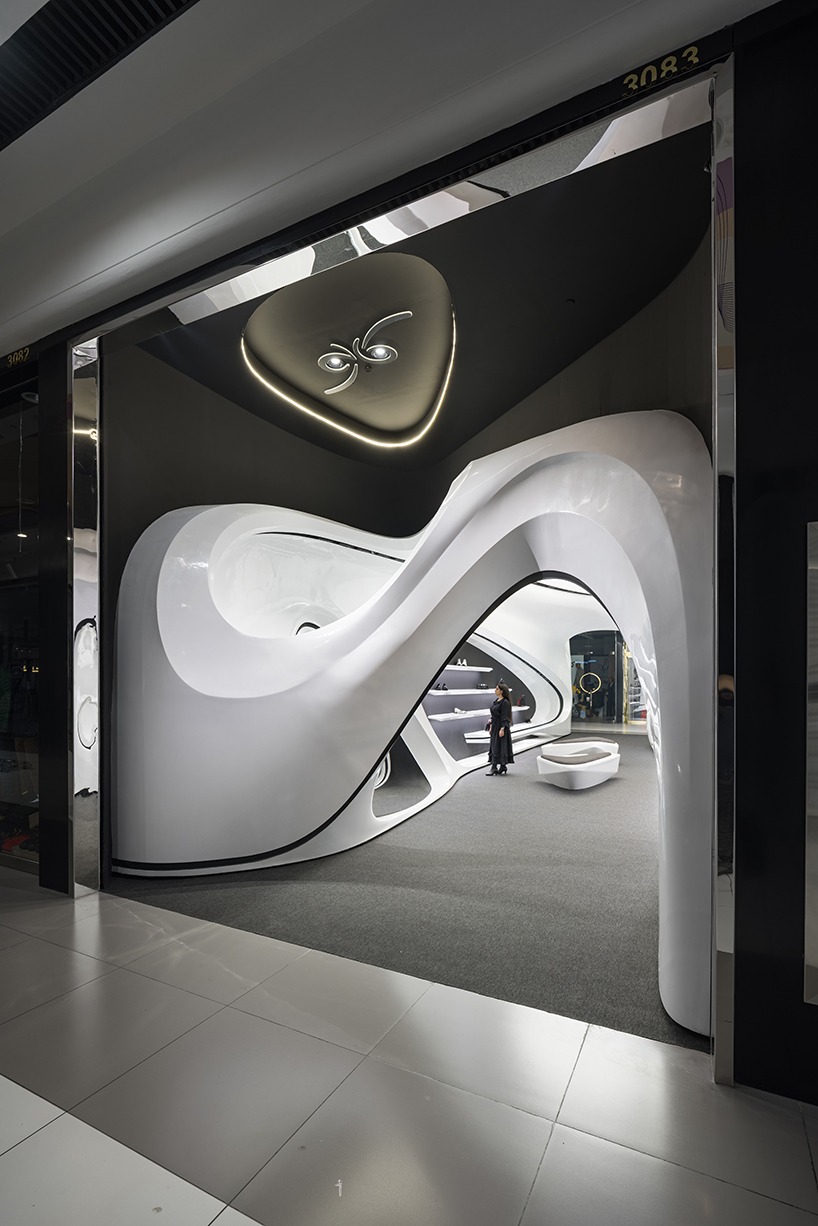
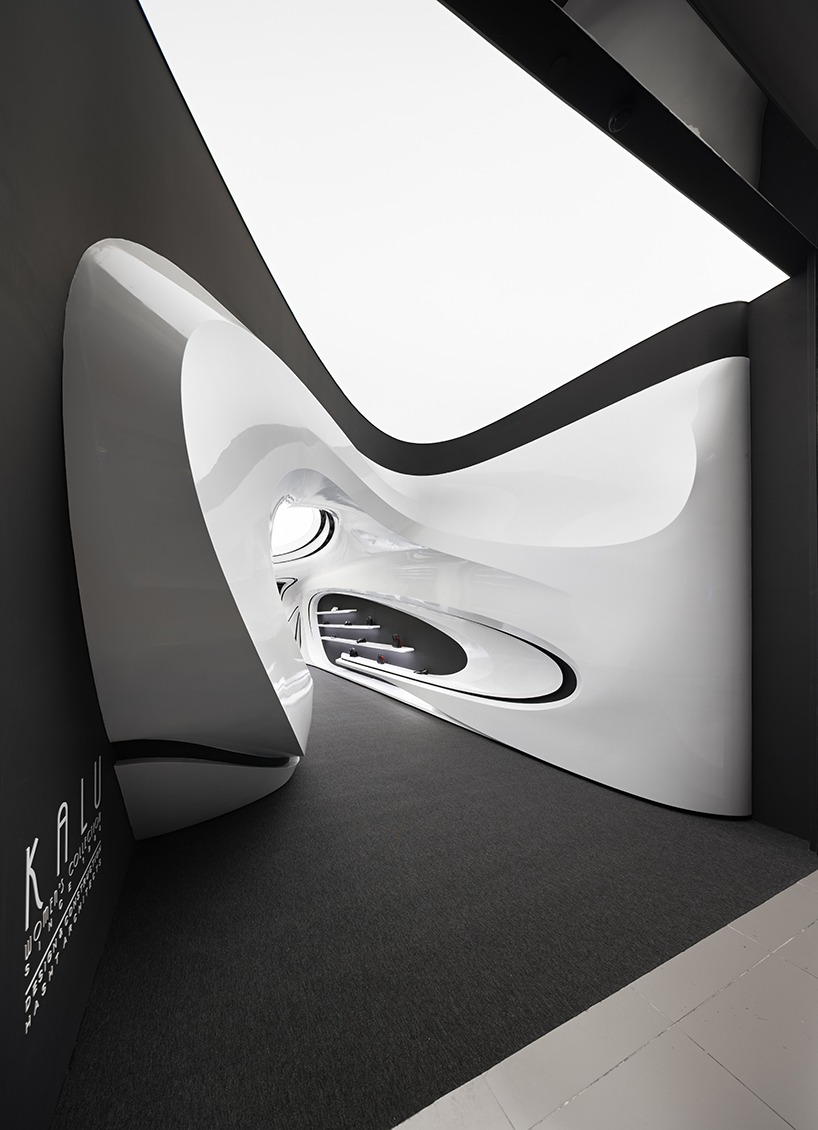
In Tehran, HASHT Architects has transformed a standard mall unit into something far more compelling than conventional retail. Magnetic Field (KALU 2) abandons the traditional storefront model entirely, instead functioning as a monochromatic passage that seamlessly connects two curved corridors into a single, uninterrupted flow. The result feels less like commercial fit-out and more like a study in micro-urbanism. Drawing from the organic logic of traditional bazaars, the project dissolves hard boundaries between inside and out. Prefabricated GFRP shells sweep and undulate, carving out zones of compression and openness, spaces that invite movement, pause, and tactile engagement. Lighting shifts in intensity, ceiling heights rise and fall, and the interior becomes a gradient experience rather than a static container. Against a global backdrop of hyper-themed flagship excess, HASHT delivers a quiet counterpoint: stripped back, infrastructural, treating brand as spatial field rather than logo. It suggests a trajectory for retail that moves beyond isolated units toward architecture that operates as connective tissue within the commercial body of the city.