
Ori

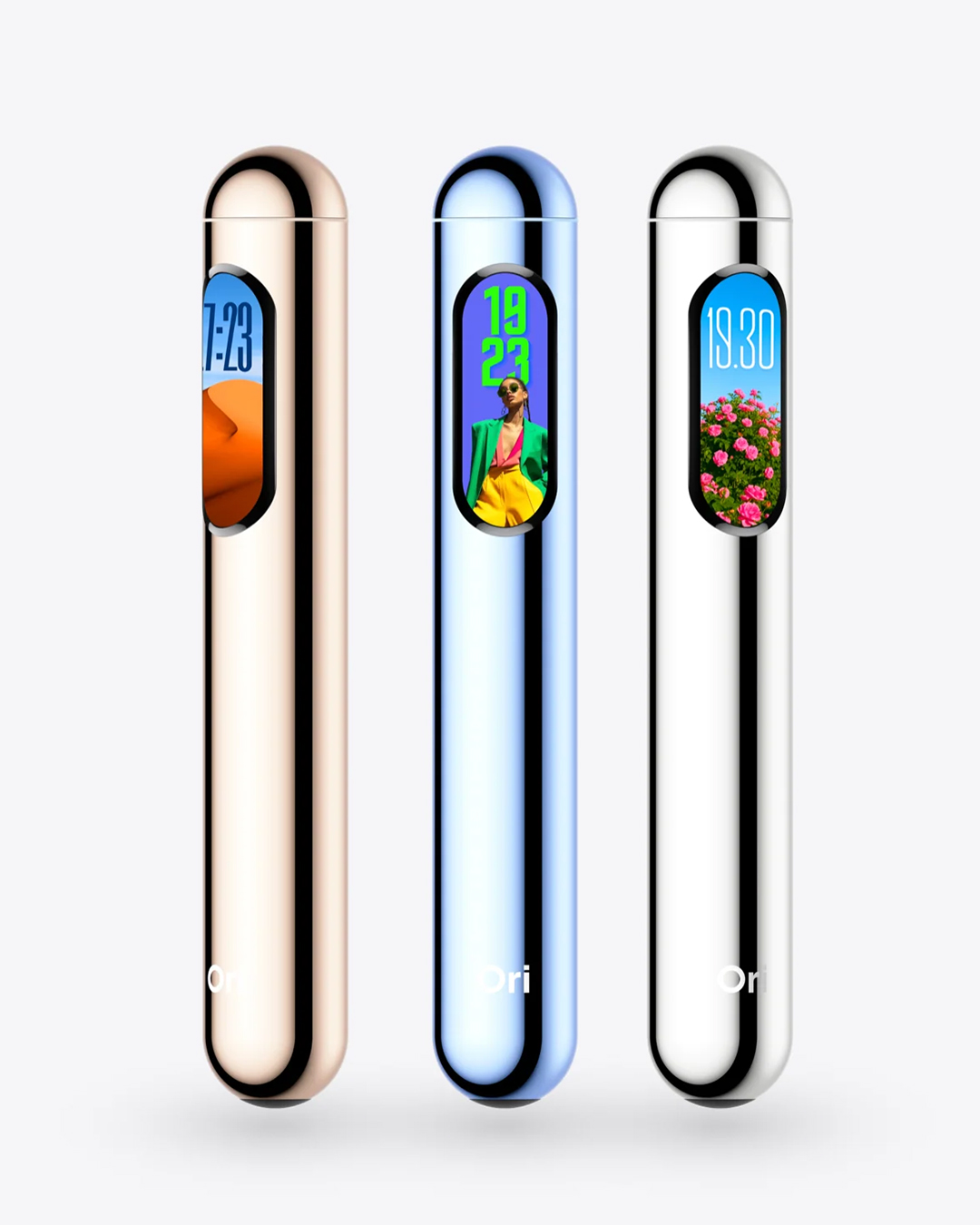
Ori does not iterate on the umbrella. It erases the blueprint entirely. Gone are the ribs, the fragile metal armature, the fabric clinging to inevitable failure points. In their place, MIT engineers and origami specialists have reimagined the canopy as its own structural system, drawing on Miura folds originally developed for satellite deployment. The result: a full meter of coverage compressed into a cylinder measuring just 3.5 by 23 centimeters. What emerges feels less like a rain shield and more like portable infrastructure. A single, fluid gesture deploys the form, one degree of freedom executed with zero visual clutter. Then the surface activates. An embedded OLED layer begins streaming real-time air quality data, shifting hues and patterns in response to atmospheric conditions or personal preference. In an era where smart typically translates to notification overload, Ori proposes something quieter. It points toward a future where everyday objects function as serene, adaptive interfaces, hyper-compact in form, obsessively engineered in execution, and tuned to emotional resonance.