


Lego

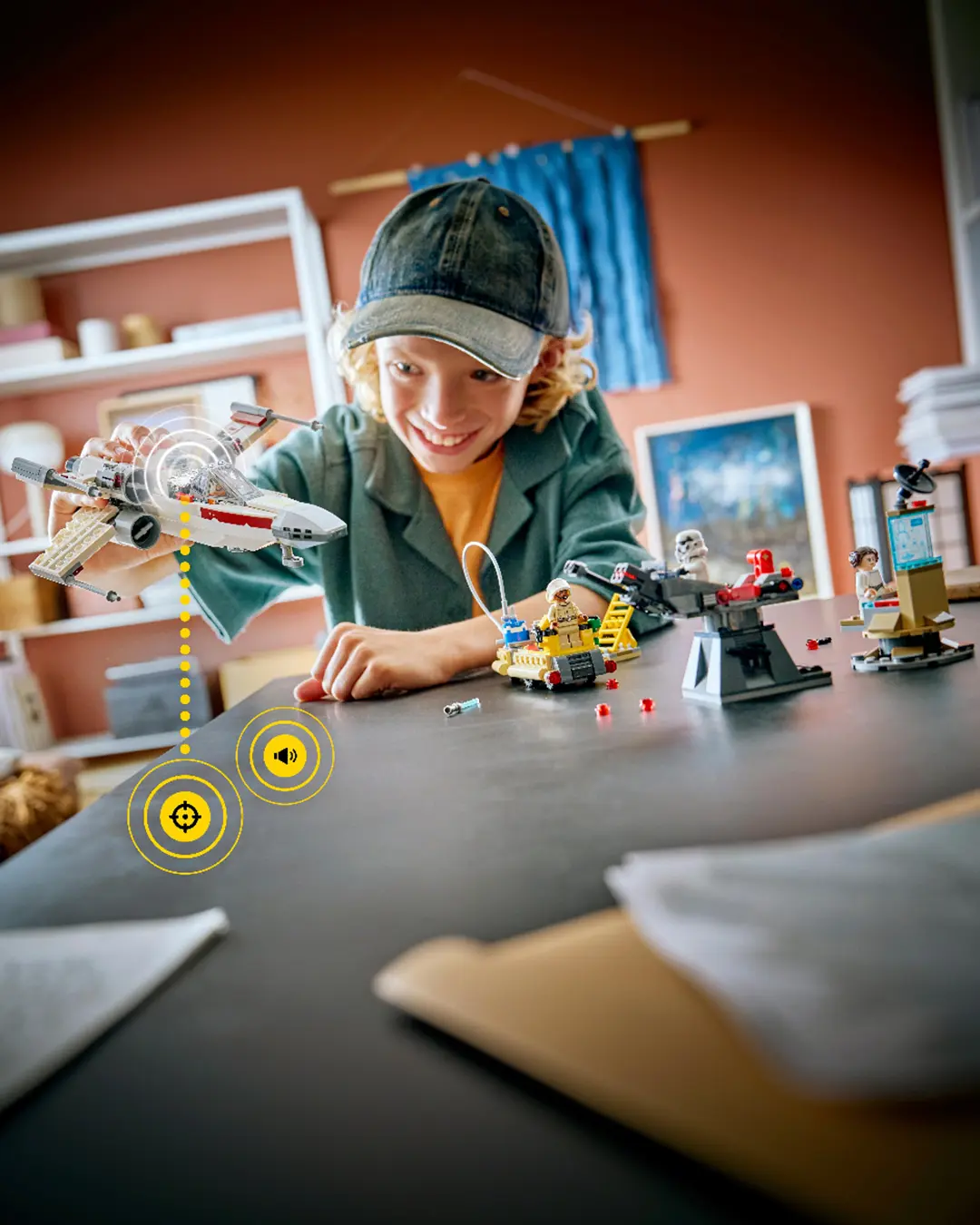
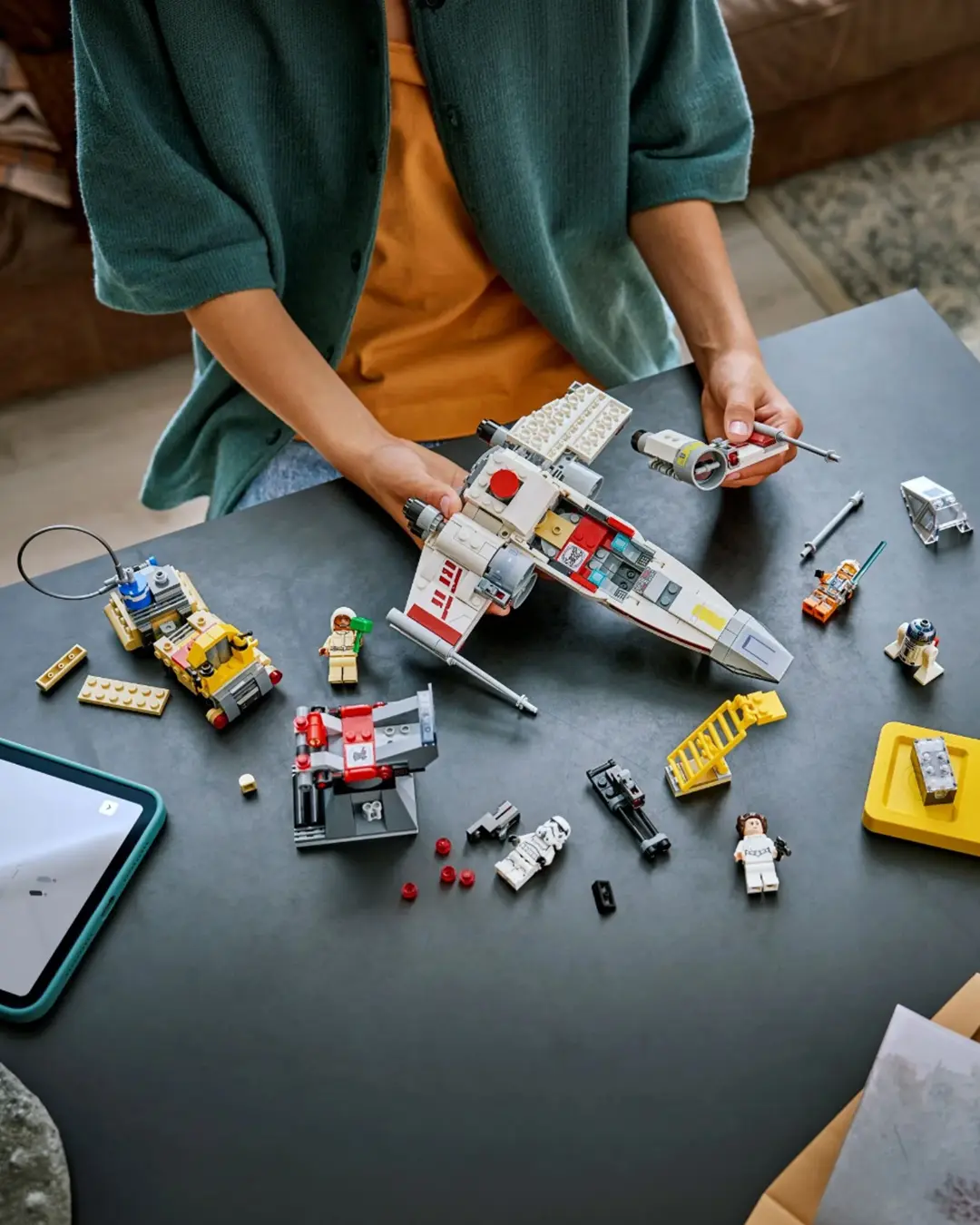
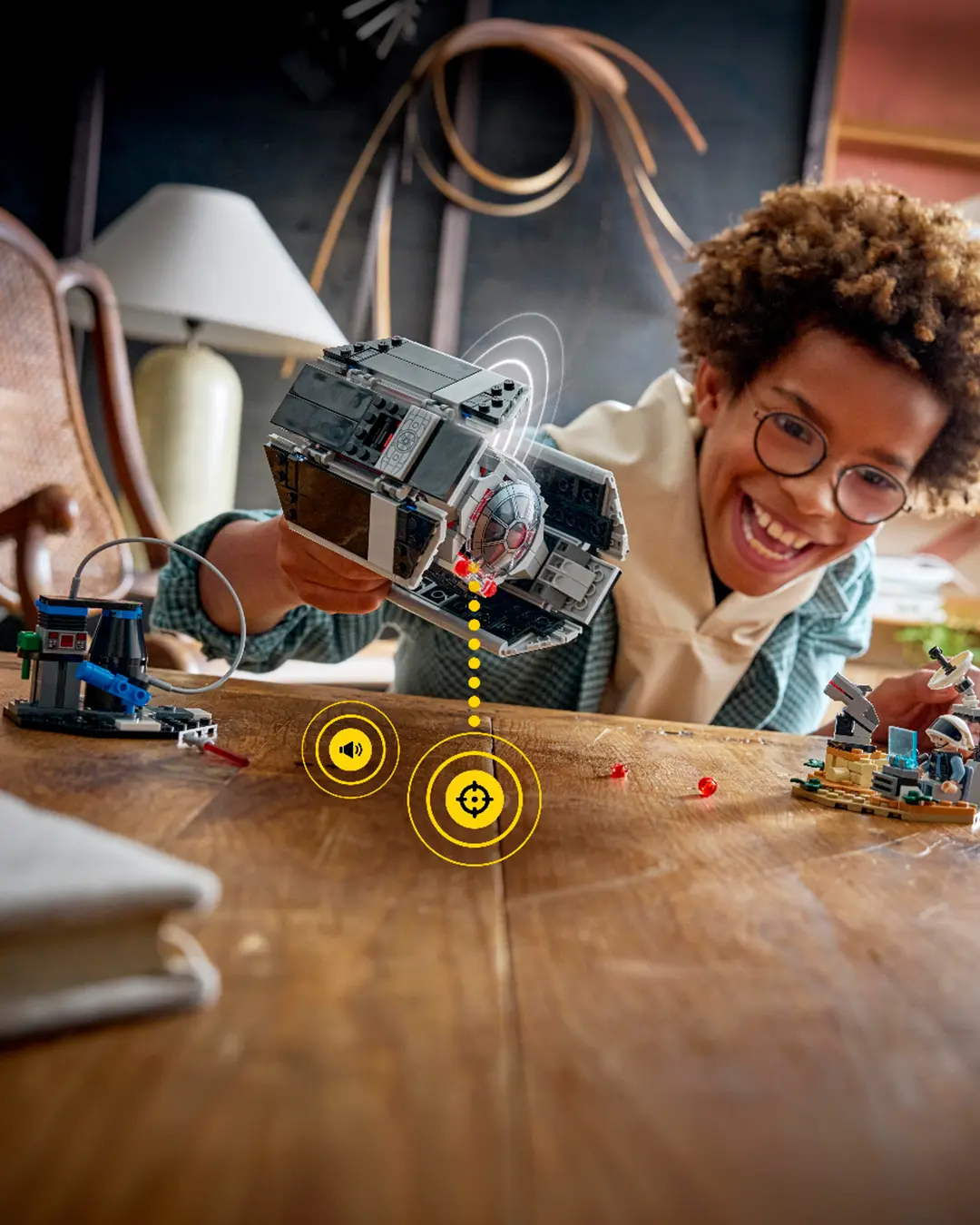
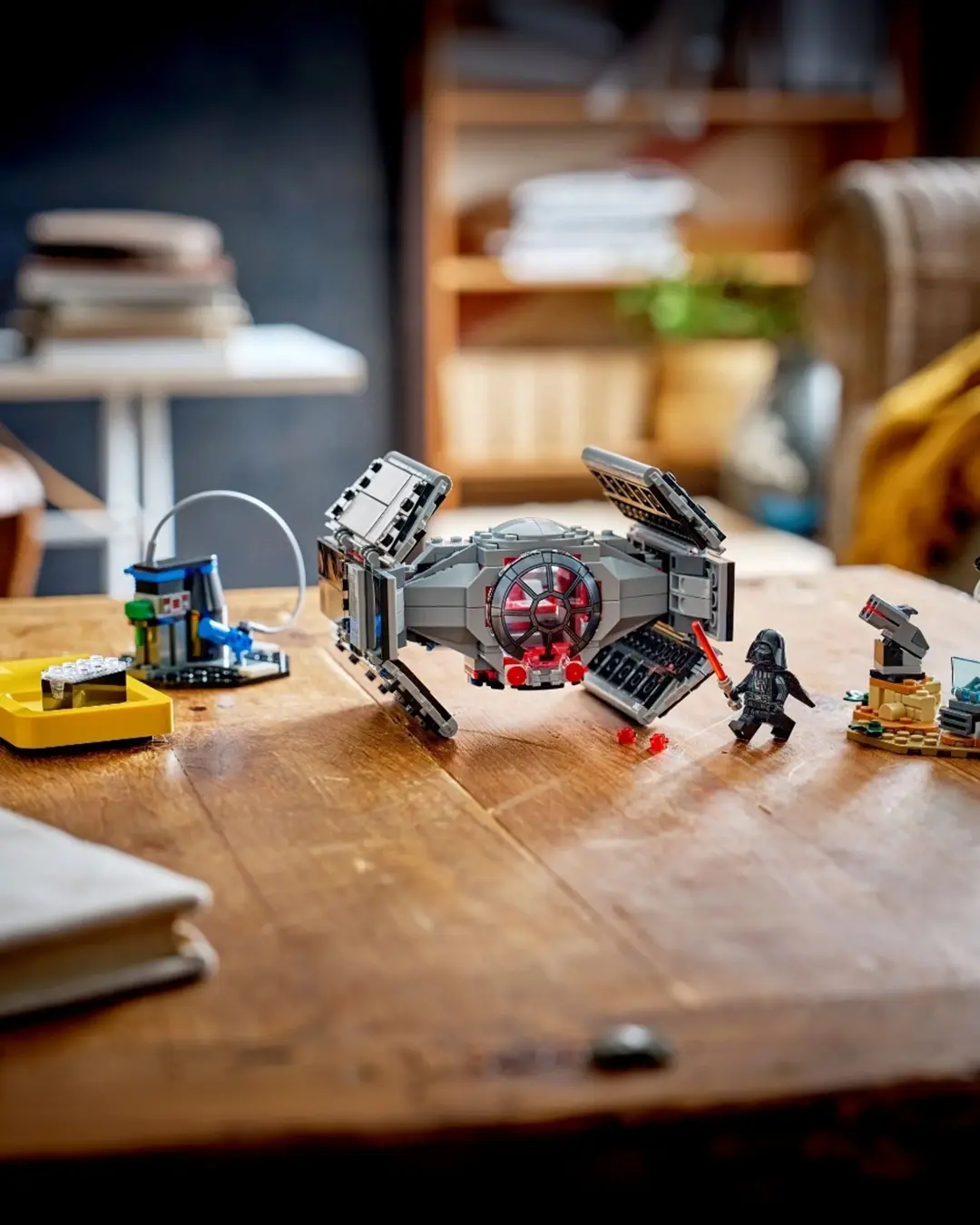
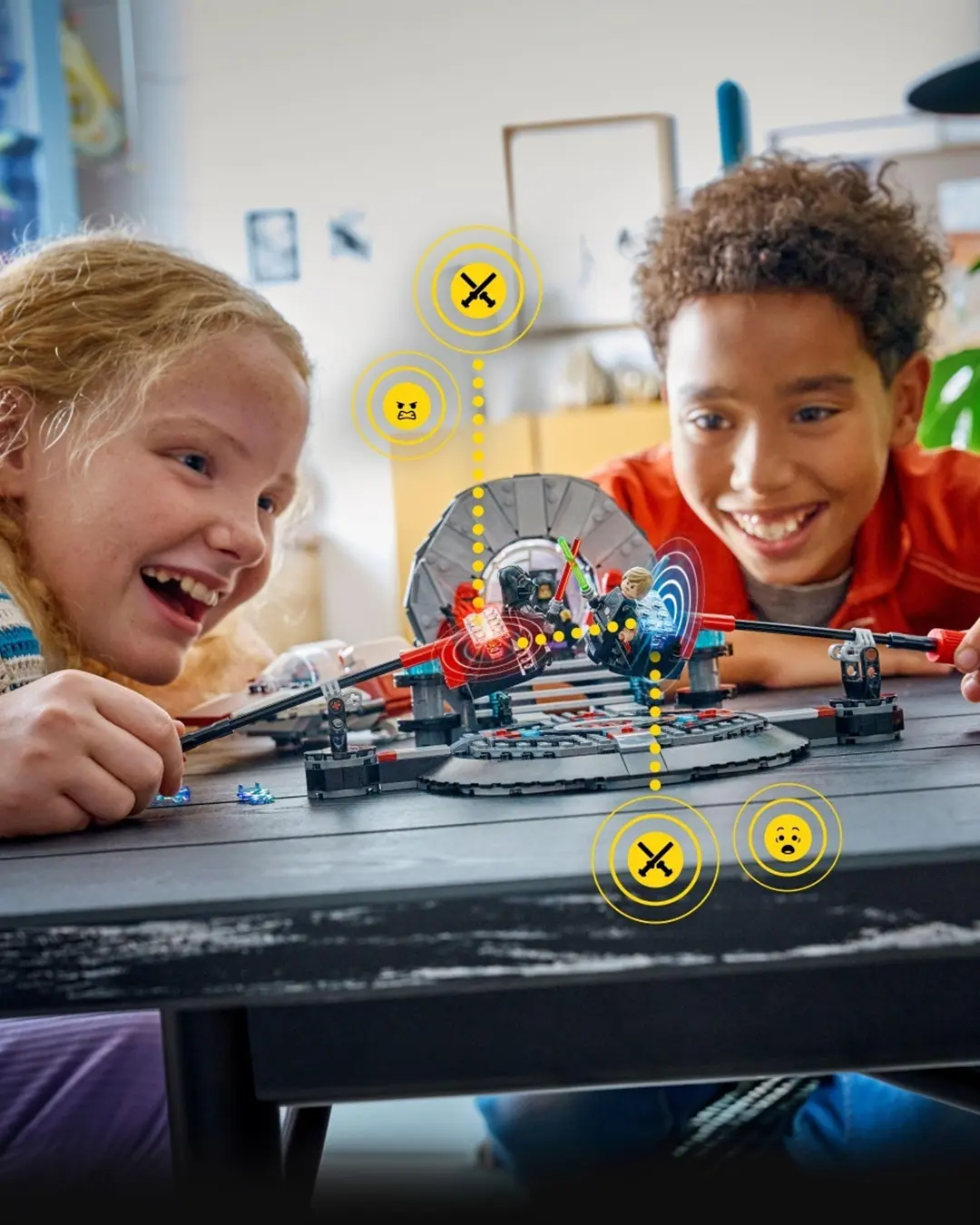
At CES 2026, LEGO did more than unveil a new product line. It fundamentally reimagined what the brick can be. At the core of SMART Play sits the SMART Brick, a sensor-packed component smaller than a single stud that transforms every creation into a responsive system. Equipped with accelerometers, sound detection and an onboard synthesizer, the technology converts motion into behavior and gesture into audio. Swoop an X-Wing across the room and it does not just look fast. It sounds like it is tearing through hyperspace. The real innovation lies in what LEGO held back. There is no companion app, no required screen time, no proprietary ecosystem. SMART Bricks, Tags and Minifigures integrate seamlessly into the classic System-in-Play architecture, fully compatible with decades of existing sets. This is ambient intelligence wrapped in familiar plastic, closer in spirit to spatial computing than conventional toy tech. Launching through Star Wars makes sense on multiple levels. Iconic designs, well-worn narratives and deep-seated nostalgia provide the perfect entry point. But the broader implications emerge once this smart infrastructure migrates into modular cityscapes, articulated mechs and architectural builds. LEGO is not chasing the metaverse. It is transforming your desk into one.