

Mercedes Benz

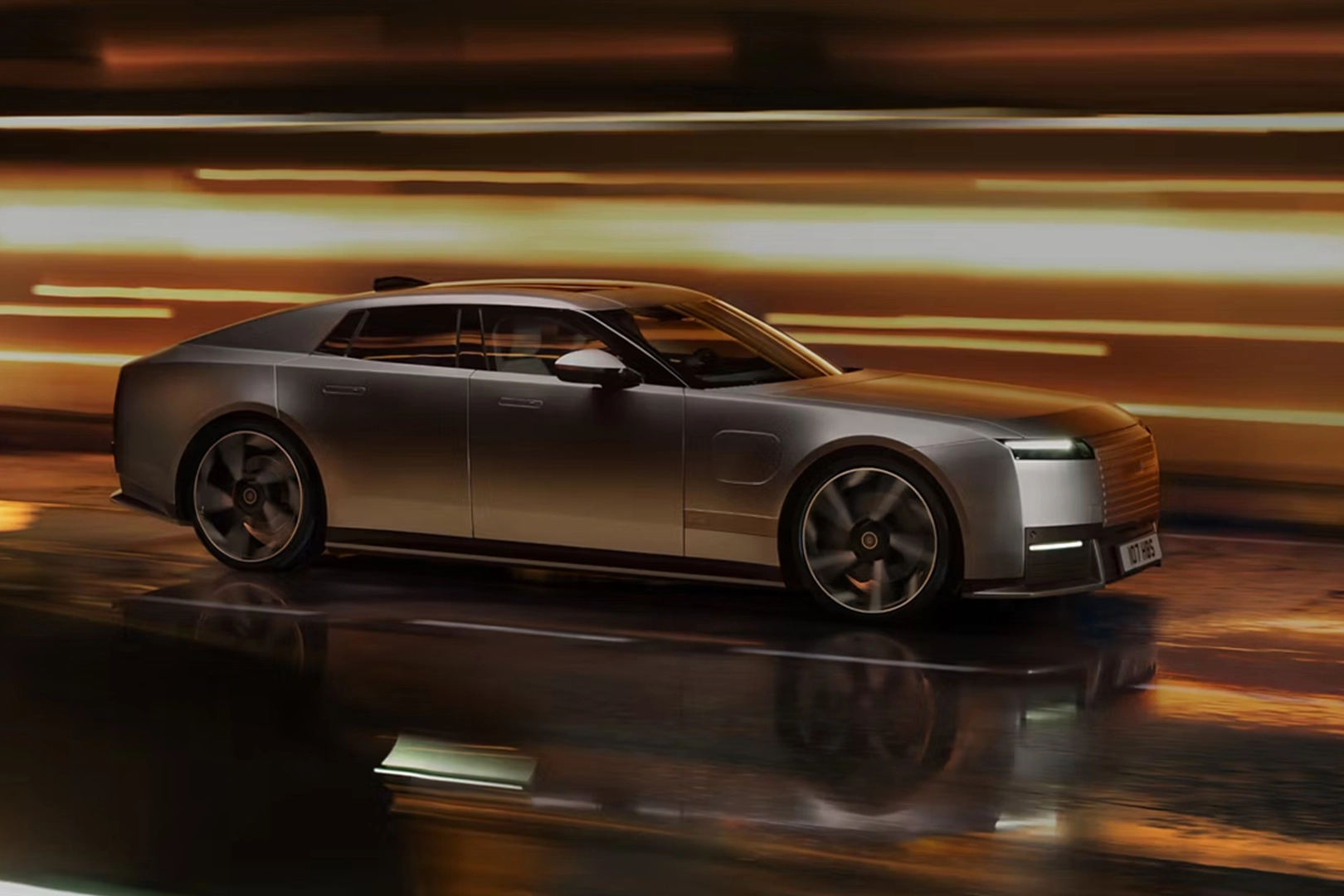
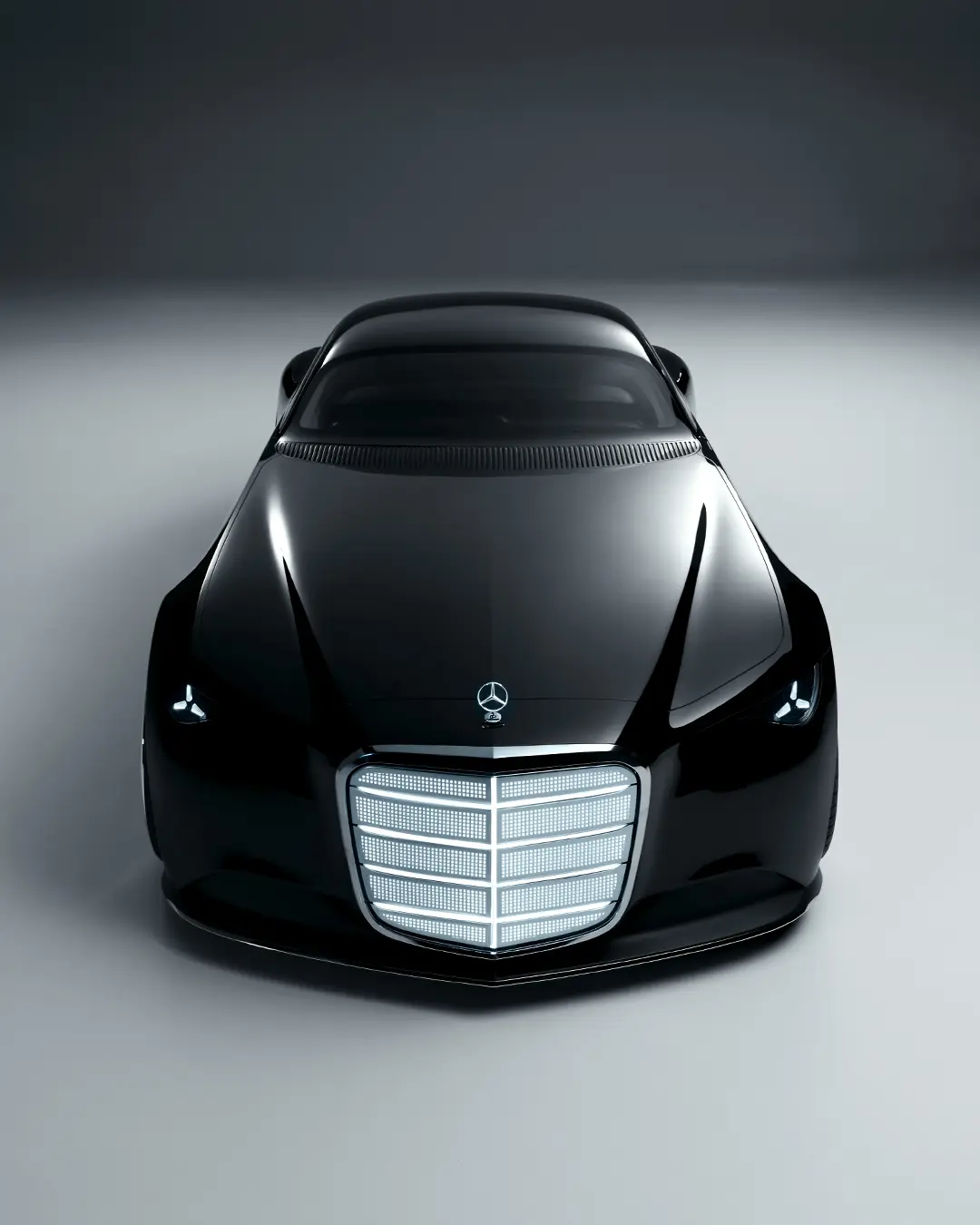
For most concept vehicles, paint exists purely as surface treatment. The Mercedes-Benz Vision Iconic transforms it into an energy system. Beneath its mirror-black exterior lies a photovoltaic layer that continuously harvests light to replenish the battery, whether the car is in motion, stationary, or resting in a sunlit space. Under optimal conditions, this integrated solar technology could generate roughly 7,450 miles of annual range, redefining bodywork as functional infrastructure. Yet the deeper statement here is ideological. Vision Iconic rejects the faceless appliance sensibility dominating electric vehicle design. Its proportions channel vintage grandeur: an assertive grille, a sweeping hood, a fastback silhouette that trails off with cinematic elegance. Art Deco cues anchor the form in the marque's golden eras of the 1930s and 1960s, while the grille doubles as a pixel-driven light installation, crafting a new electric identity rooted in legacy rather than estranged from it. The cabin follows what Mercedes describes as a hyper-analog philosophy. Deep blue velvet seating meets brass accents and a floating glass instrument cluster, dubbed the Zeppelin, where readouts appear suspended like sculptural objects rather than demanding attention like conventional displays. Level 4 autonomous capability and neuromorphic processing exist within the architecture, but they operate discreetly, minimizing energy consumption so the design can breathe with restraint rather than strain under technological excess. Serving as a closing chapter from outgoing design chief Gorden Wagener, Vision Iconic reads less as exhibition spectacle and more as declaration. In the coming chapter of mobility, true luxury will not hinge on expanded battery capacity or oversized screens. It will emerge from how seamlessly intelligence amplifies feeling.