Samsung

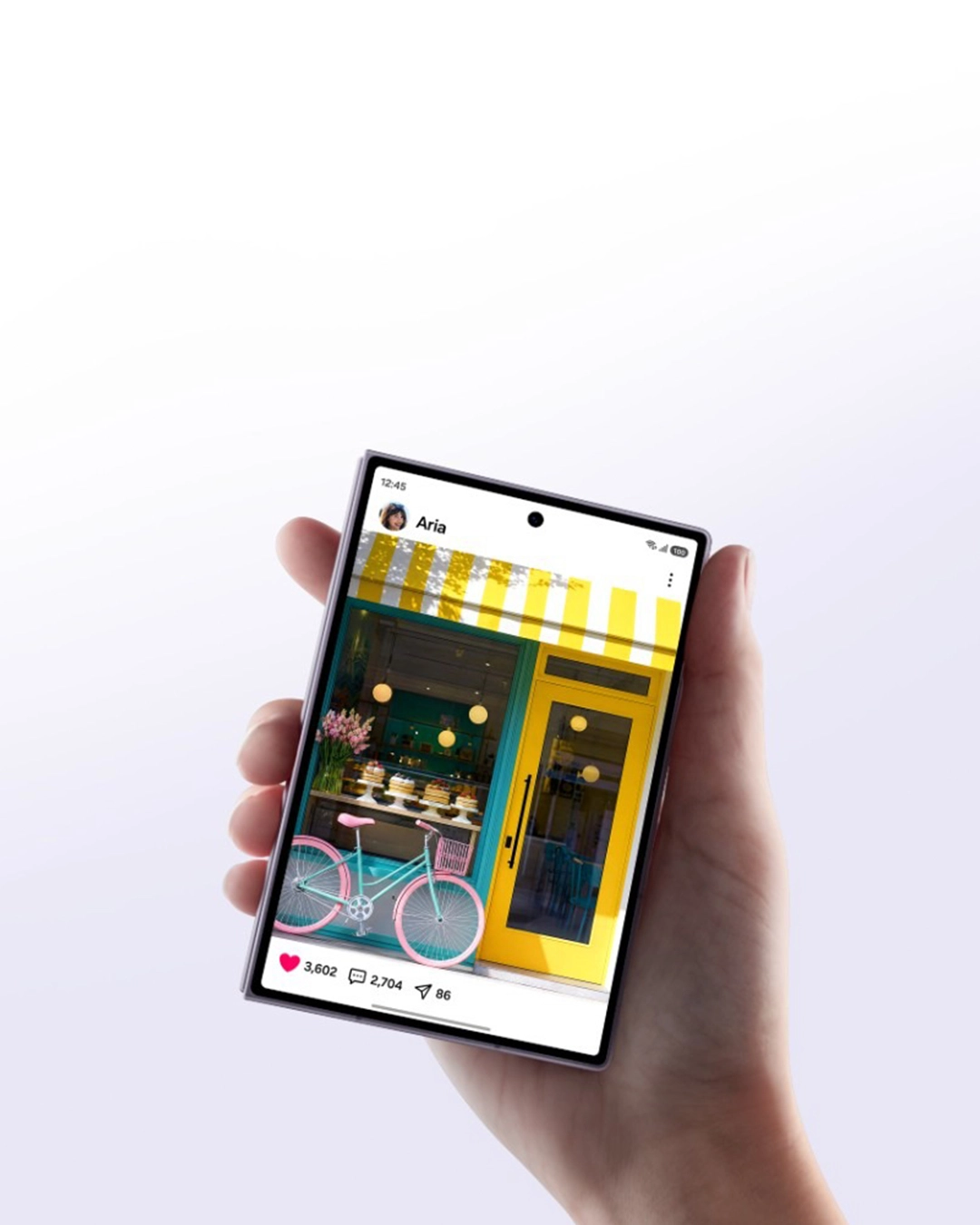
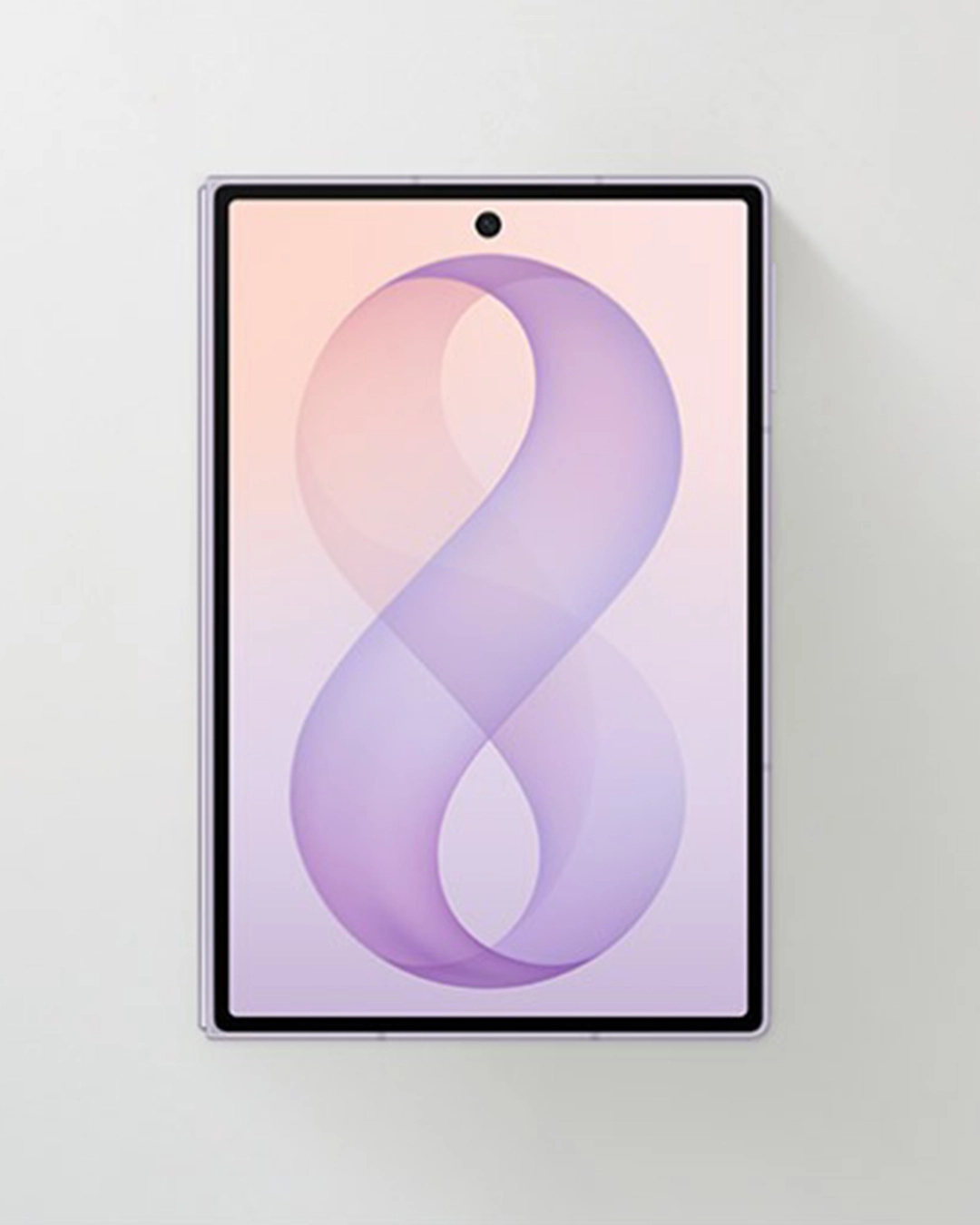
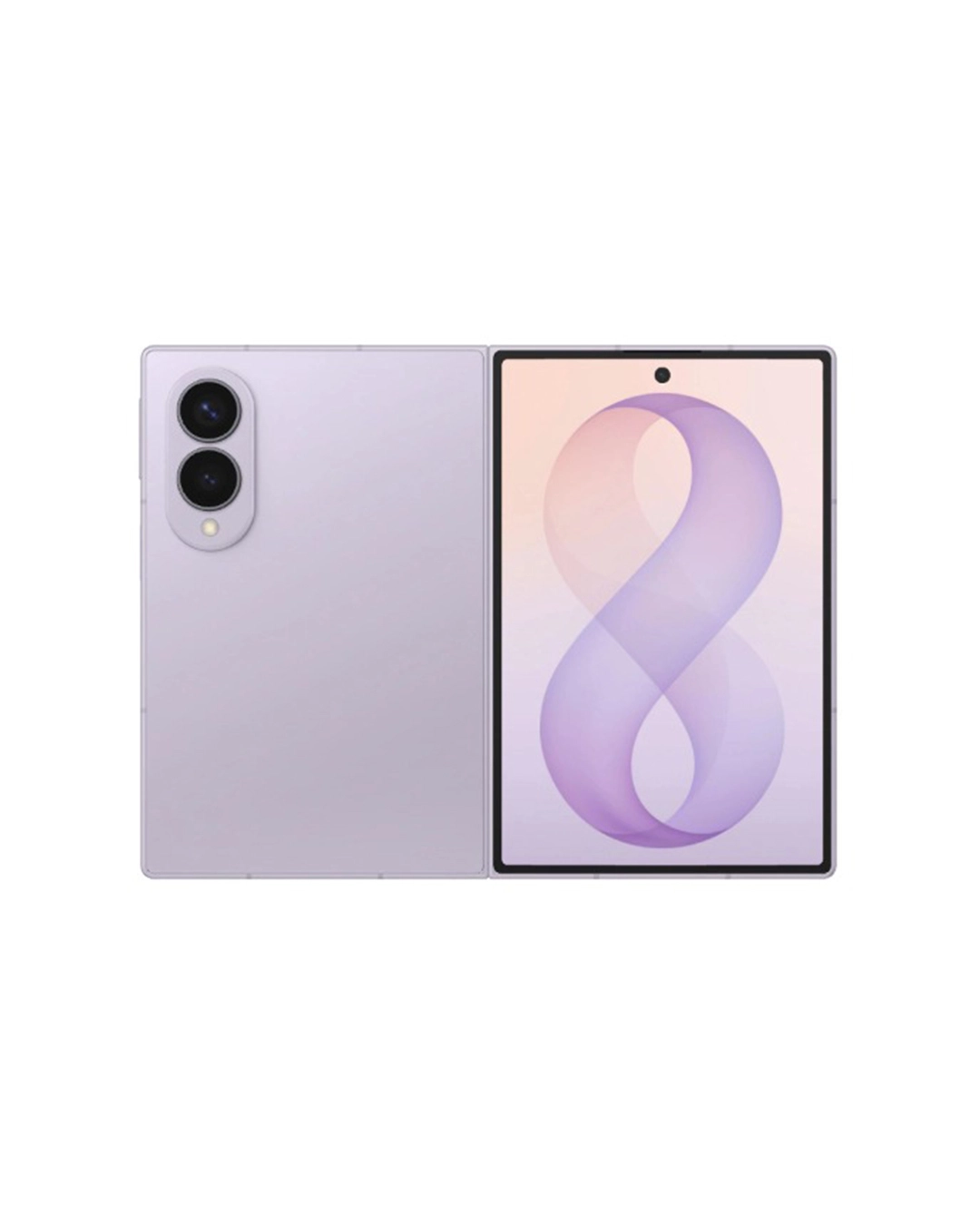
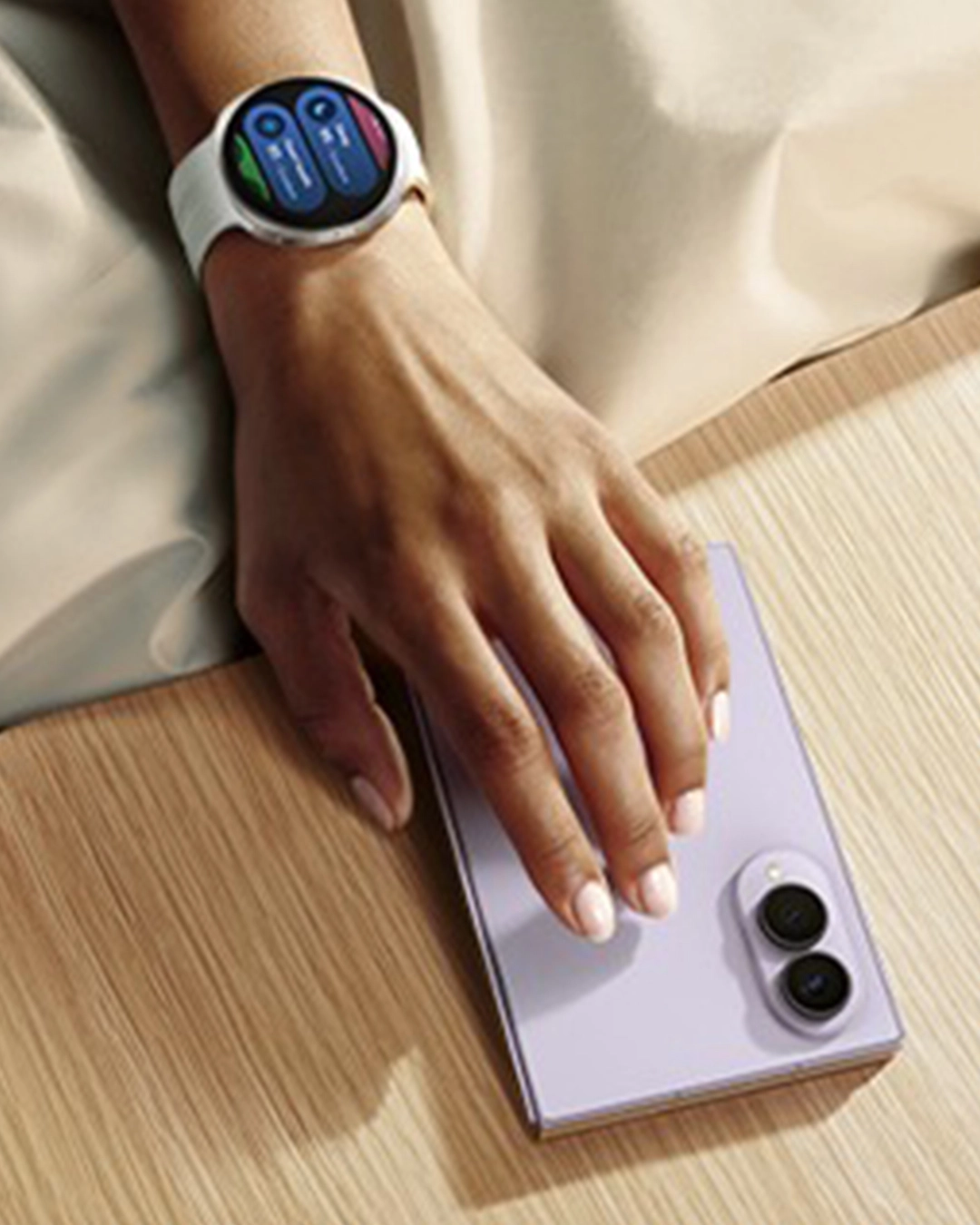
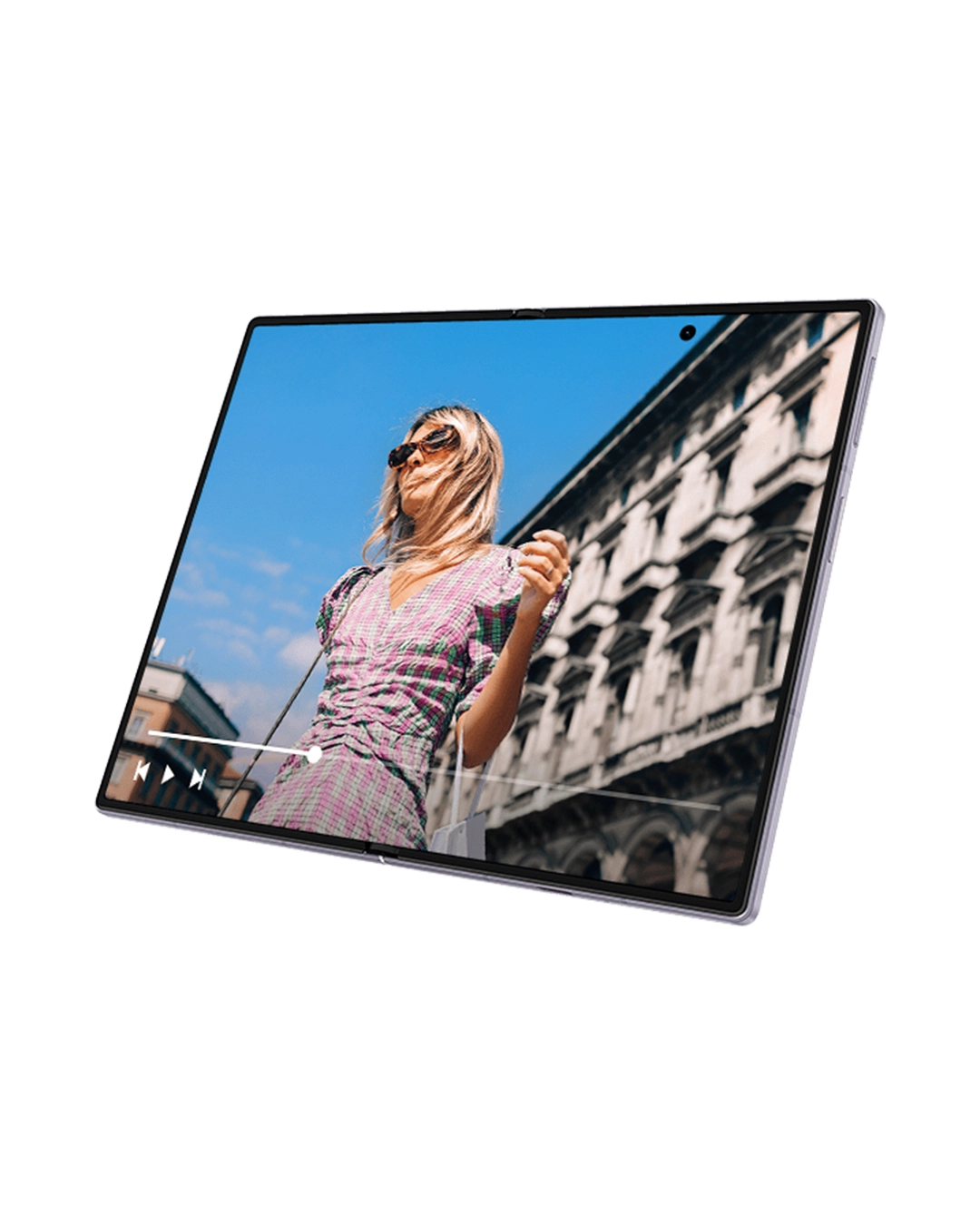
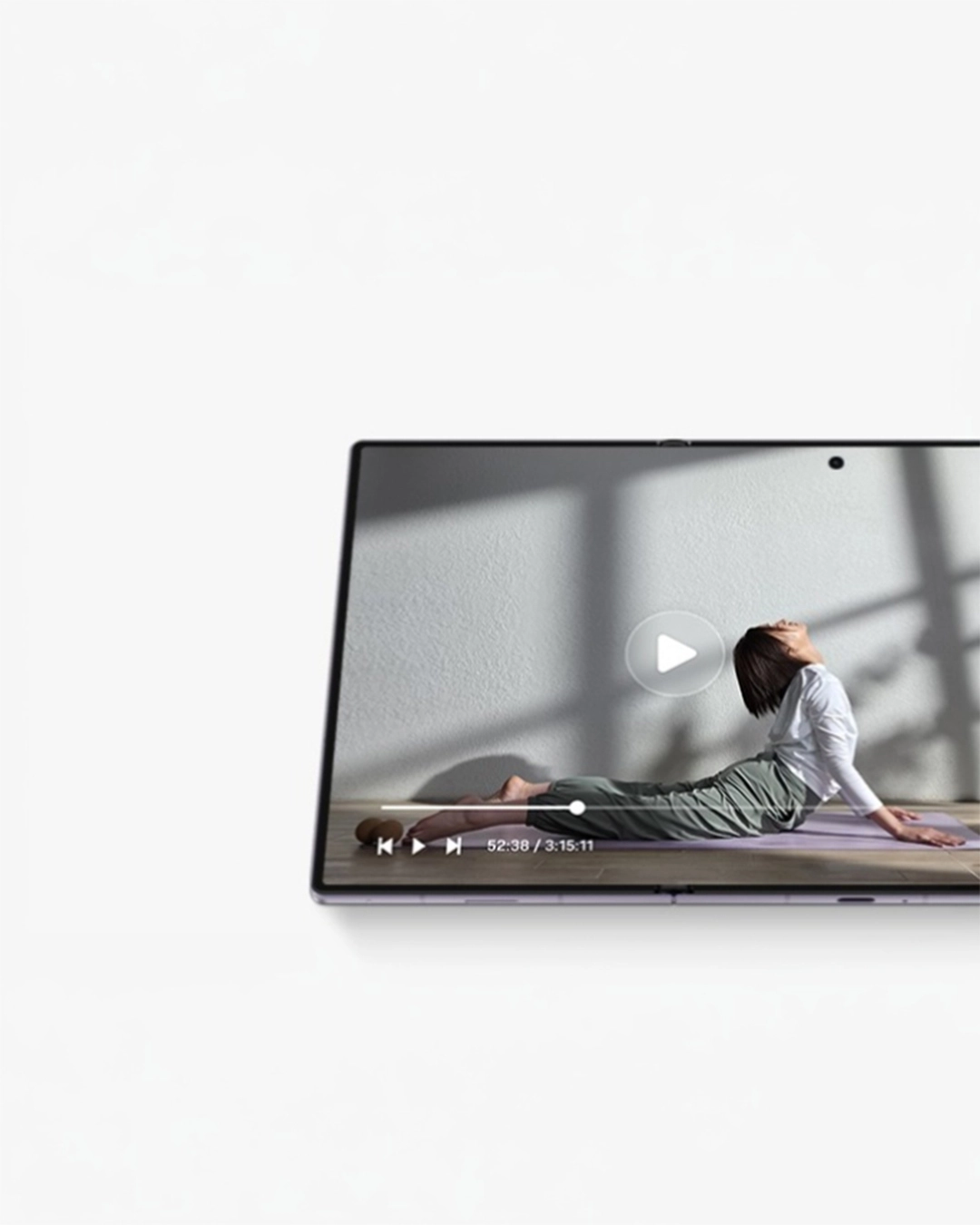
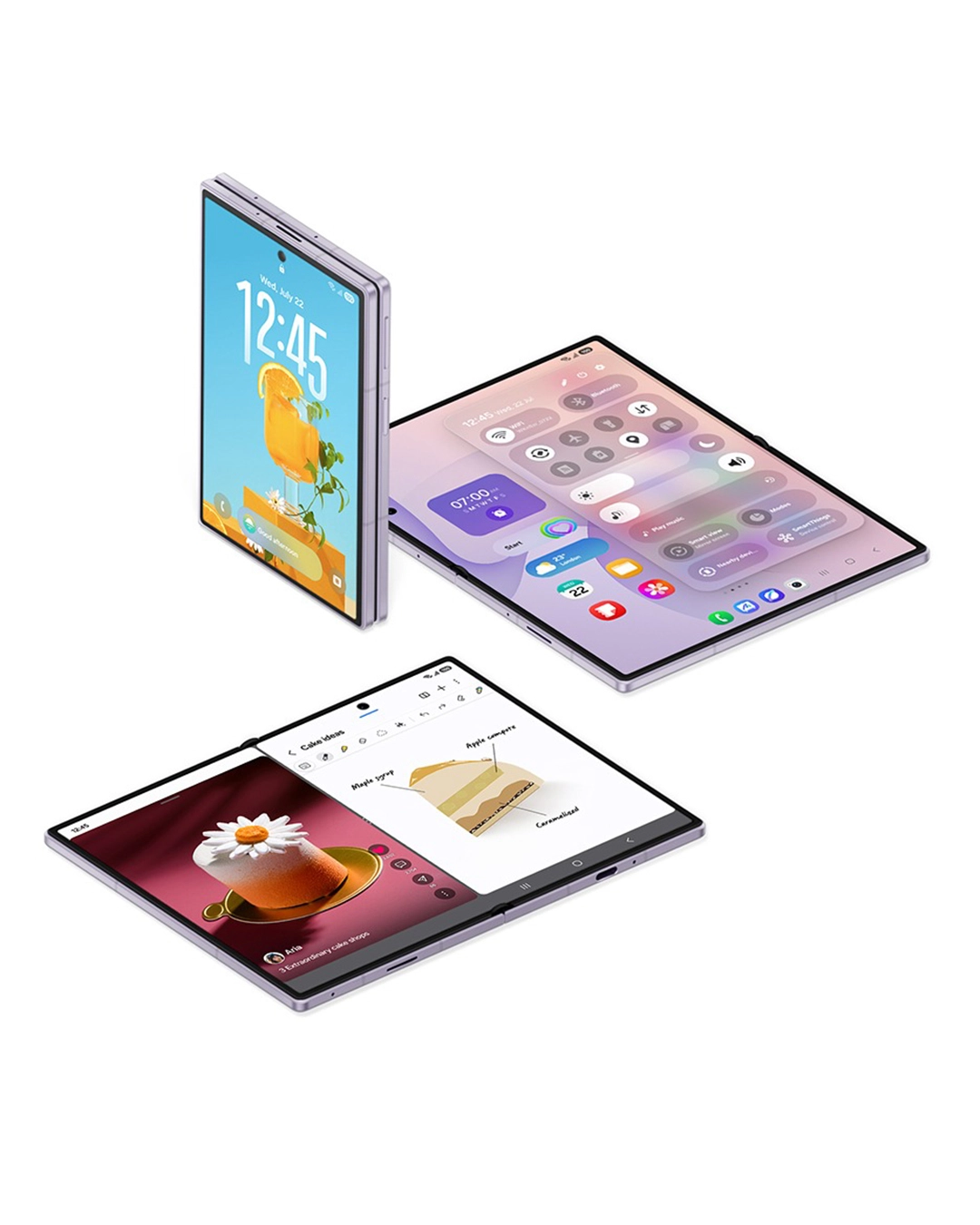
Samsung's Galaxy Z Fold8 doesn't arrive as a spec sheet dressed in hardware. It arrives as a proposition: that the foldable form factor has matured into something more intimate, more considered. Wider in stance, lighter in hand, and unfolding to a 4:3 tablet-like canvas, the Fold8 repositions AI not as a feature buried in a menu, but as something tactile. A side key. A refined grip. A hinge that carries its own ritual weight. Samsung calls the design language Emotive Geometry, and while the phrase does a lot of heavy lifting, the underlying shift is real. We are entering a moment where the phone stops being something we simply hold, and starts becoming something that unfolds around us, adapting to how we live rather than dictating it. The Fold8 is one of the clearest signals yet that personal technology is trending toward the expressive, the architectural, and the deeply physical.