Razer

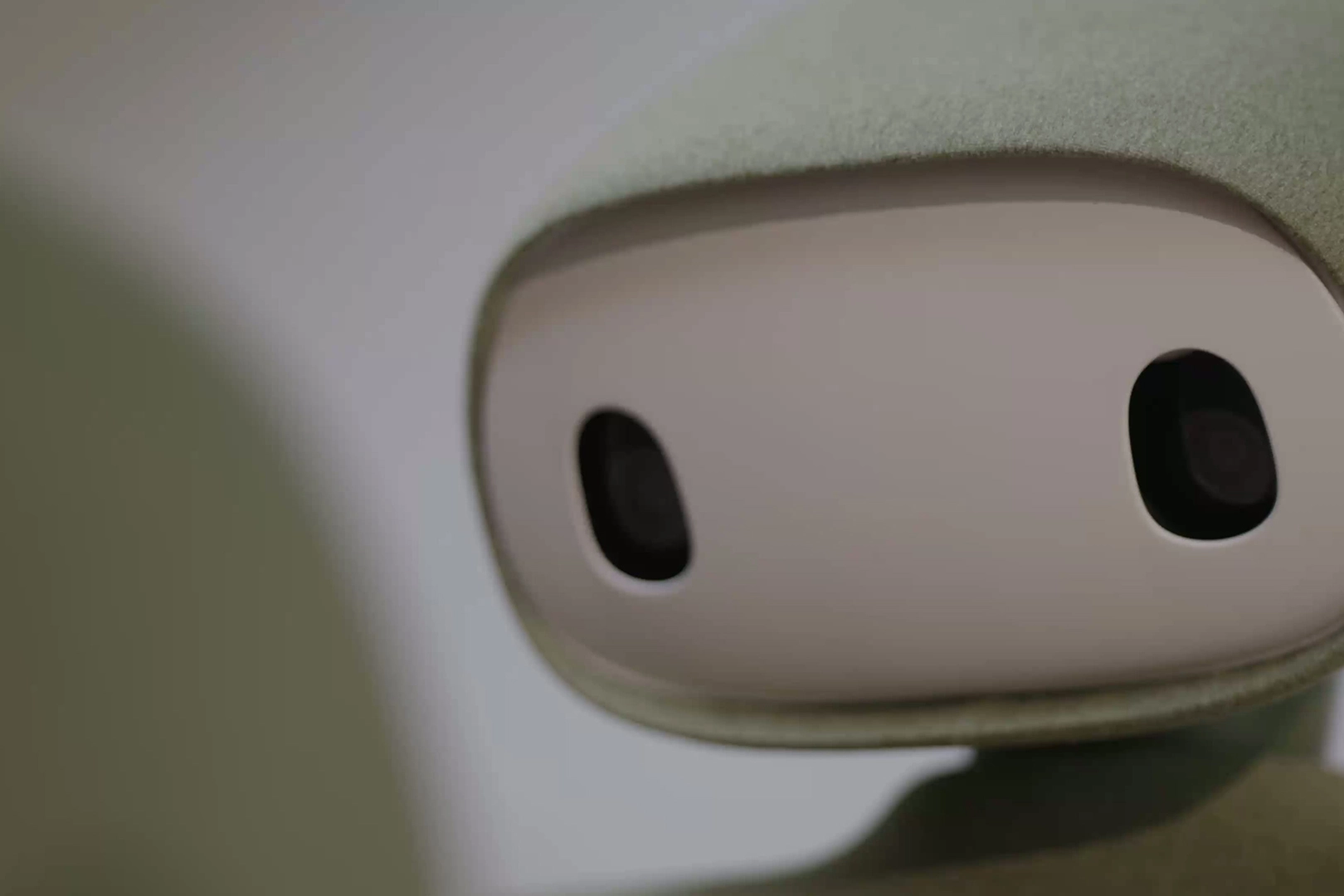
Project AVA sidesteps the predictable smart speaker formula entirely. Razer has engineered something closer to a desktop presence, a 5.5-inch holographic figure that materializes from a streamlined cylinder and occupies the negative space between your peripherals. Whether summoning AVA, KIRA, or the esports icon Faker himself, the effect lands somewhere between hardware obsession and emotional experiment. The real intrigue lies not in technical specifications but in behavioral architecture. AVA maintains constant awareness of your screen activity, interpreting context through integrated camera and microphone arrays before shifting seamlessly between functions. One moment it delivers real-time strategy coaching, the next it tracks habits or handles translations, all without demanding a second display cluttered with tutorial tabs. Razer positions the device as a lifelong companion, yet AVA simultaneously surfaces an emerging friction point in AI product design: the delicate balance between genuine intimacy and persistent surveillance. It is, ultimately, a beautifully crafted object that never stops watching you back.