Instax

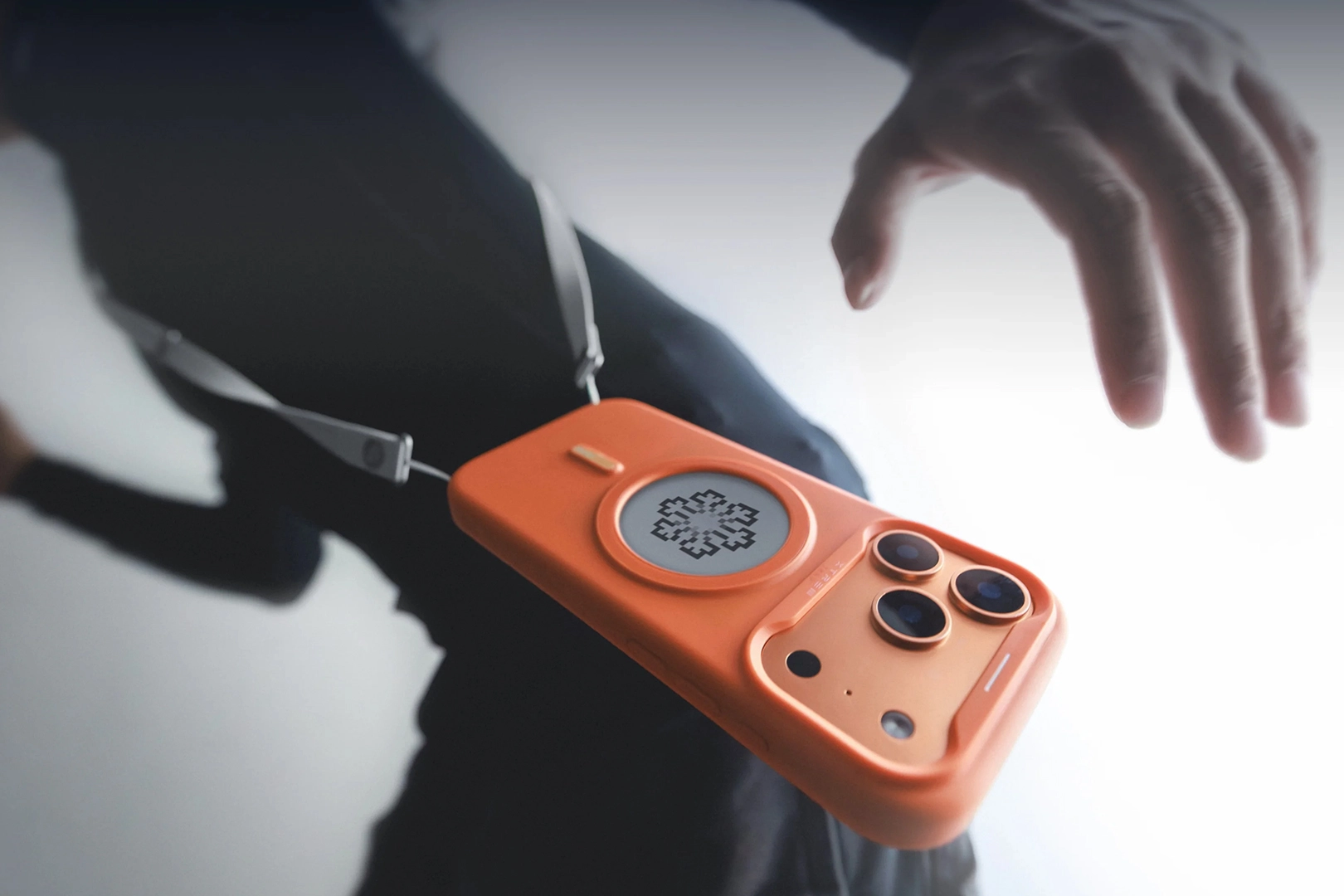
Fujifilm's Instax Mini Evo Cinema is not interested in spec wars. It is orchestrating something far more intimate: a ritual of presence in an age of ephemeral content and endless feeds. The camera captures stills and 15-second clips, then embeds the motion within a QR code printed directly onto Instax mini film. Each print becomes both artifact and access point, a tangible souvenir that quietly unlocks the scene it depicts. The design language pulls from cinematic history with intention. A vertical grip nods to Fujica's Single-8 legacy, while a tactile Print Lever and the Eras Dial let users scroll through decades of visual texture, from 8mm grain to CRT phosphor glow. Yes, it is a gimmick. But it is a considered one, prioritizing the mechanics of memory over pure image fidelity. What the Mini Evo Cinema signals is a broader cultural pivot. Physical media is not fading. It is transforming into something more layered: interactive keepsakes where the object holds as much weight as the digital content it conceals.