







Google

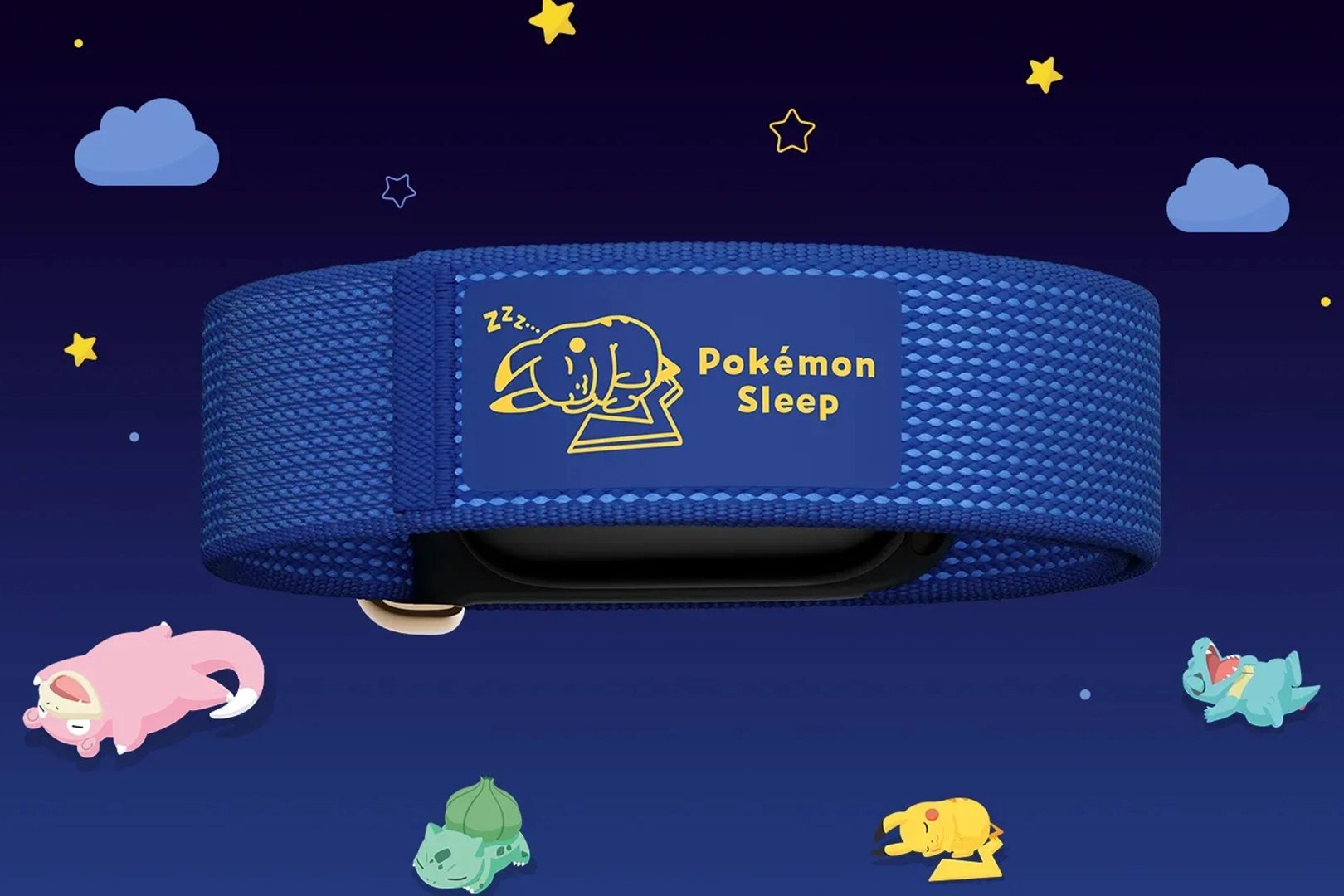
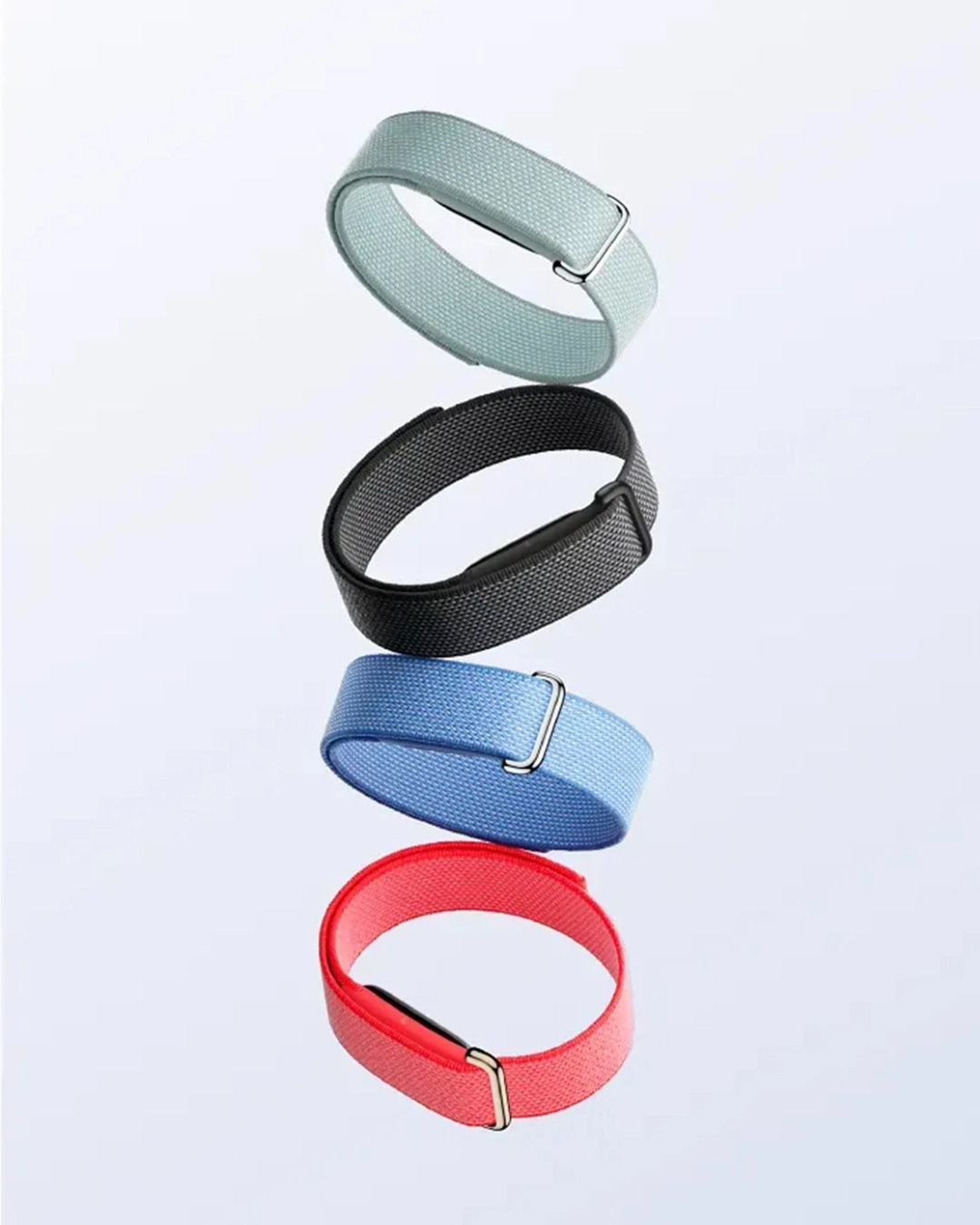
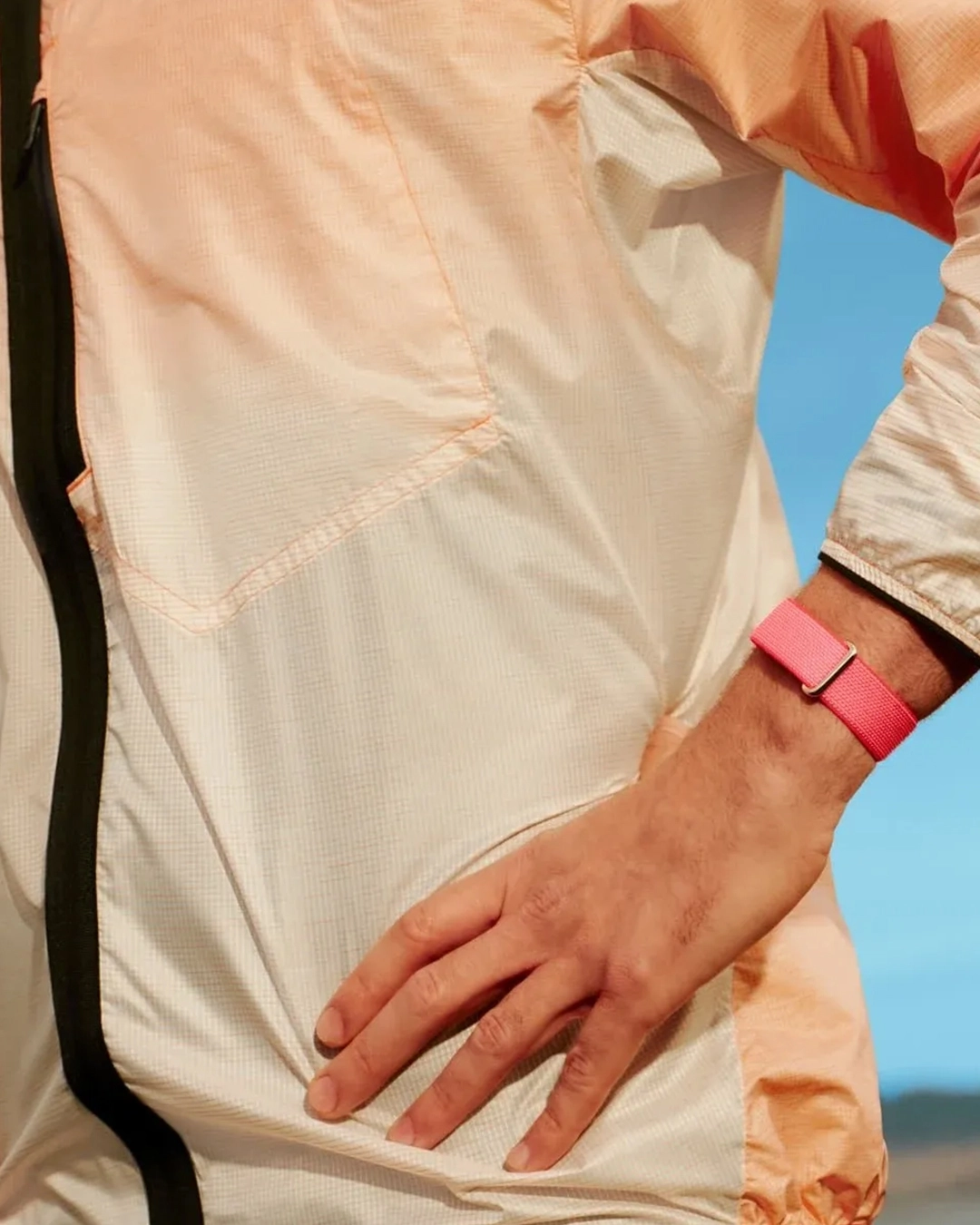
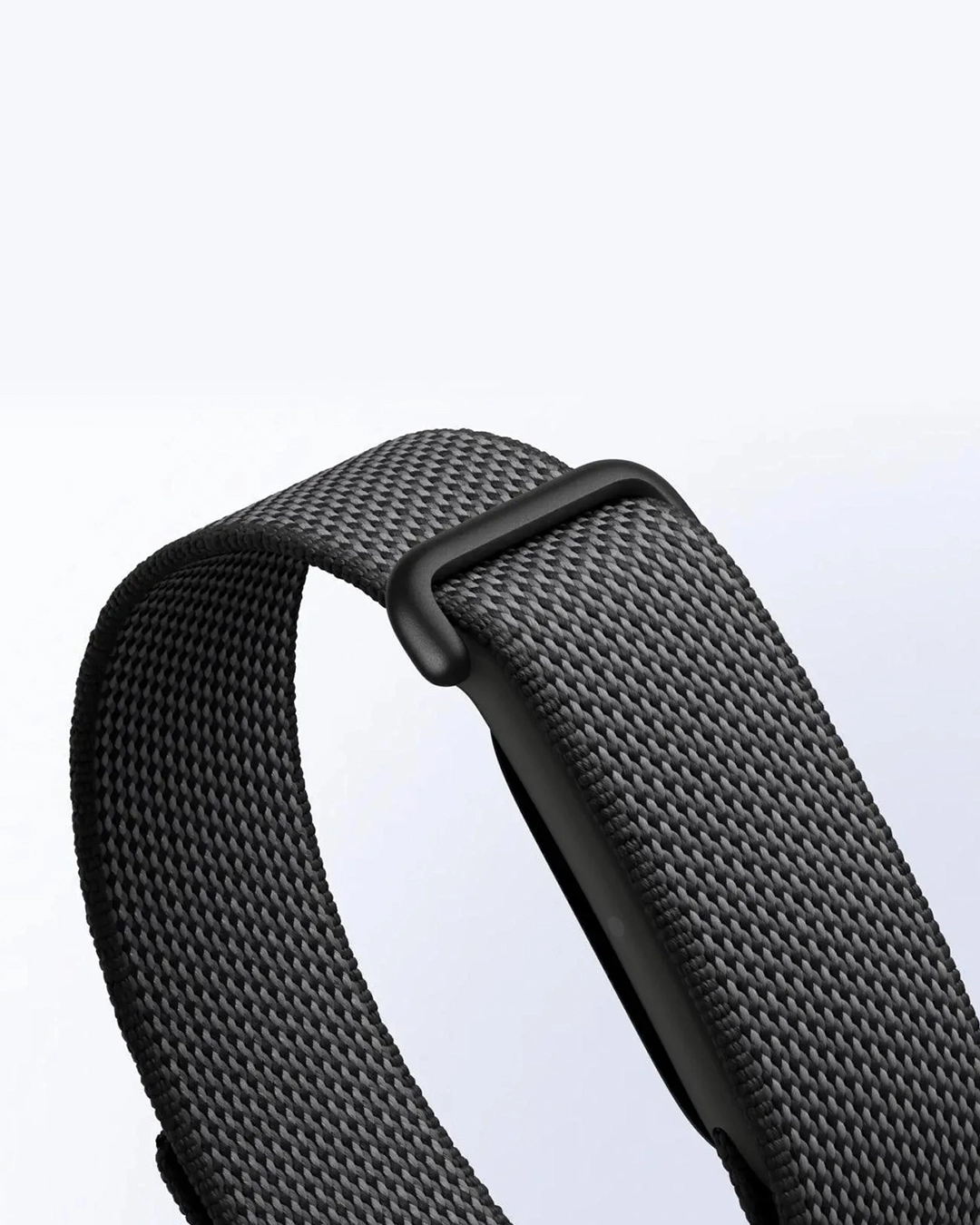
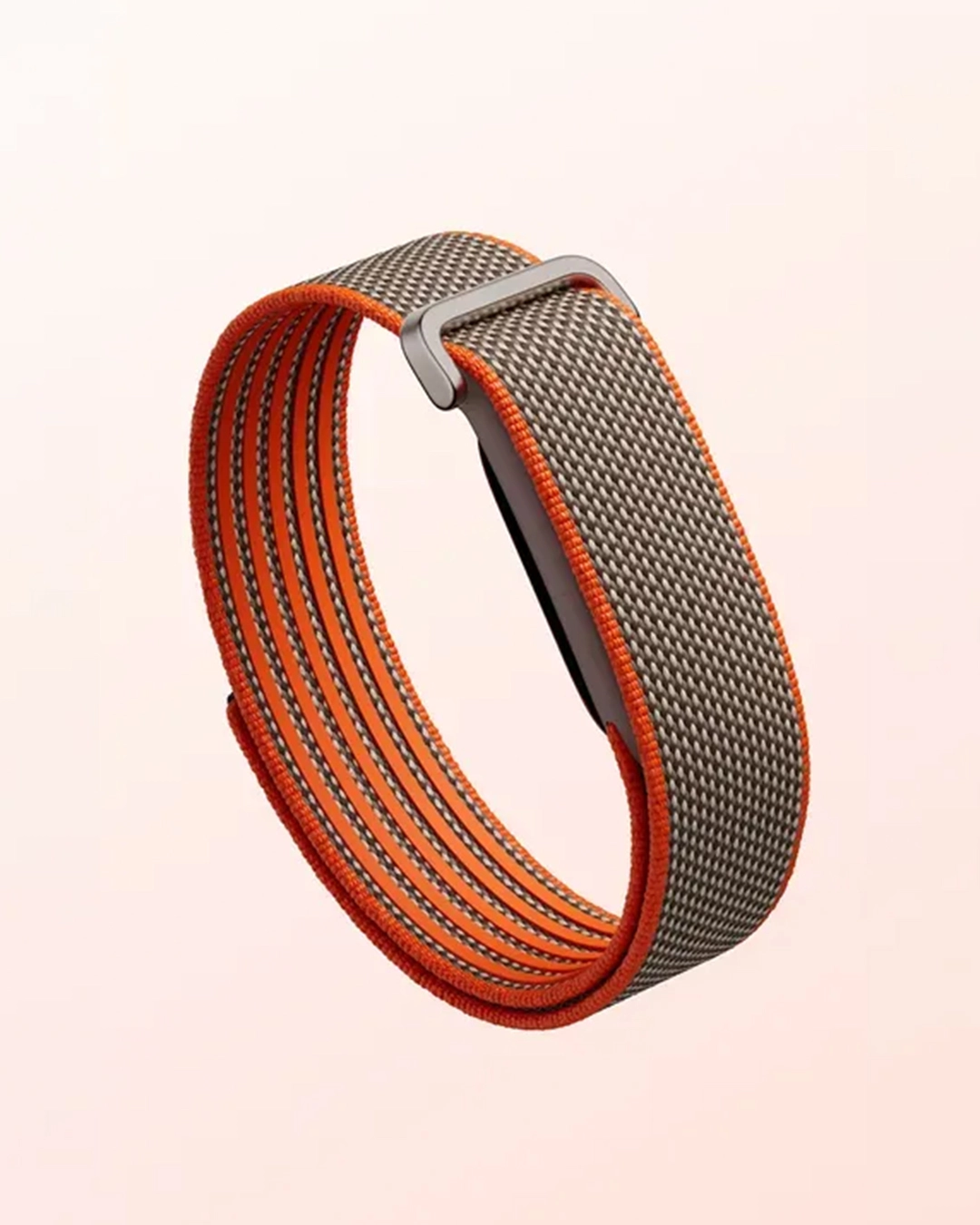
With the $100 Fitbit Air, Google reframes minimalism as a feature rather than a compromise. Weighing just five grams and shaped from recycled polycarbonate, this unassuming oval makes absence its defining gesture. It tracks without demanding attention, slips into sleep without friction, and sidesteps the now-familiar trap of turning the wrist into yet another glowing screen. The interface, instead, lives elsewhere: inside Google Health, where raw biometrics are translated into guidance and quiet coaching. In a category fixated on backlit displays and constant pings, the Air proposes something almost radical. Perhaps the next frontier of wearables is not what we see, but what we are finally allowed to forget.