

Dyson

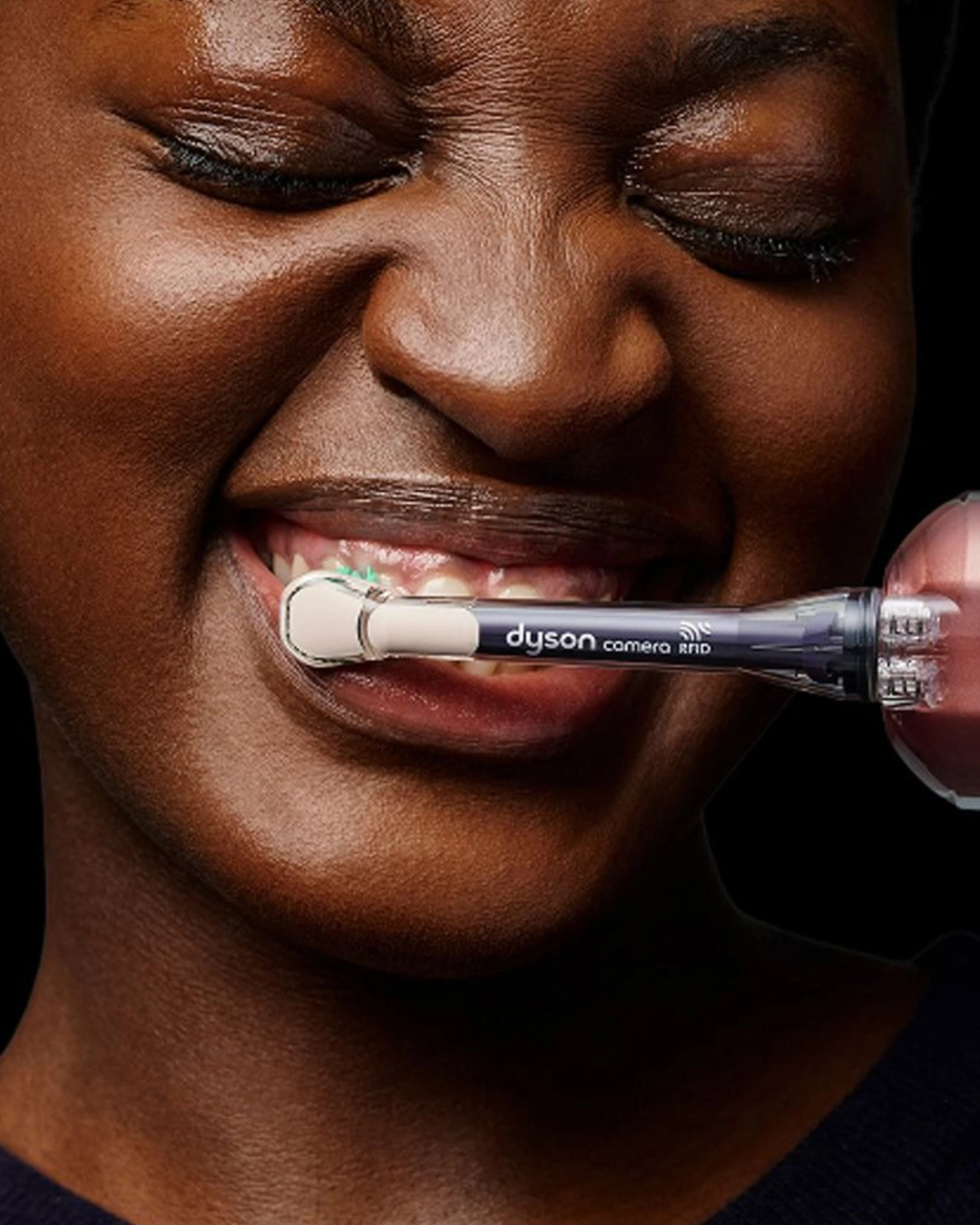
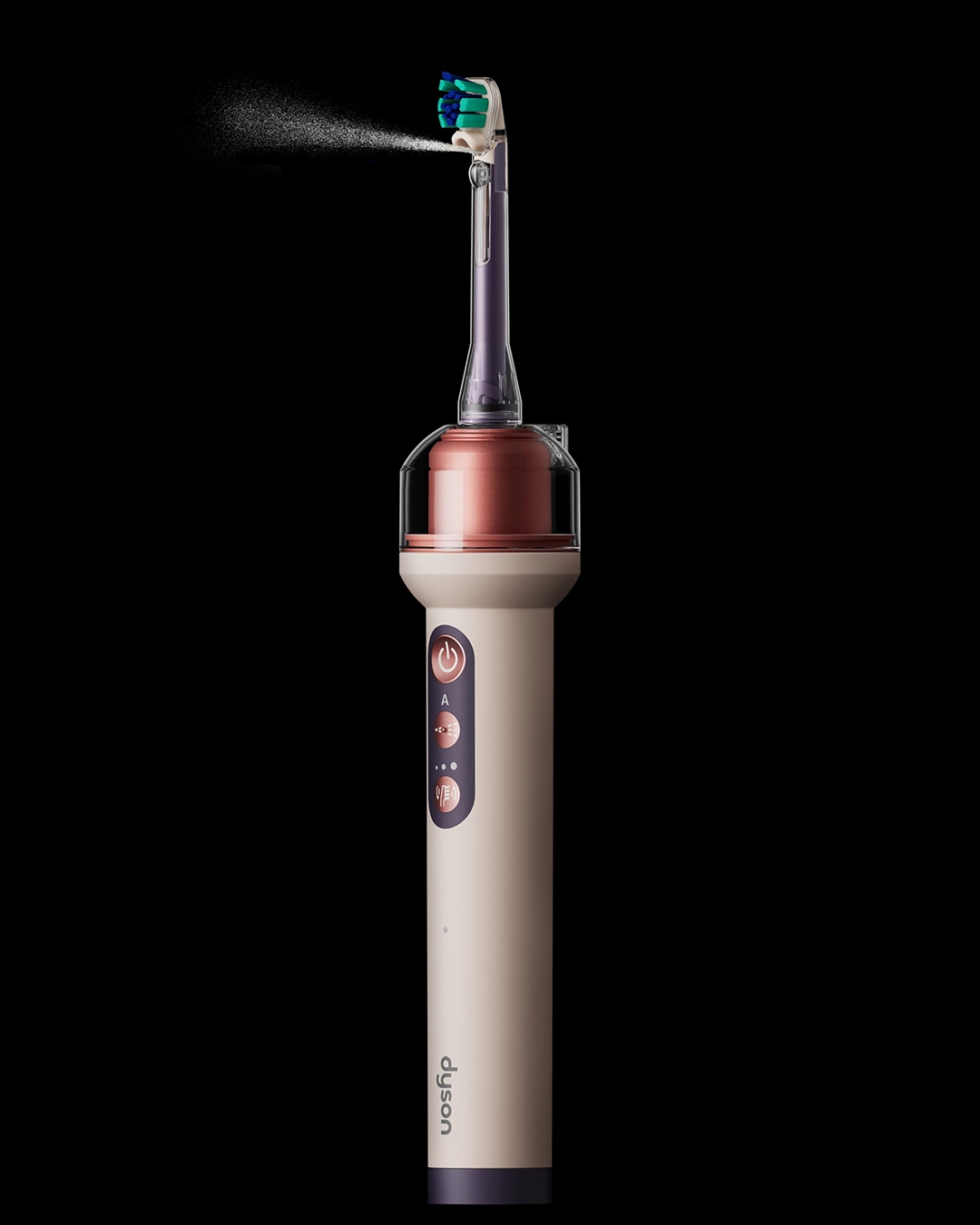
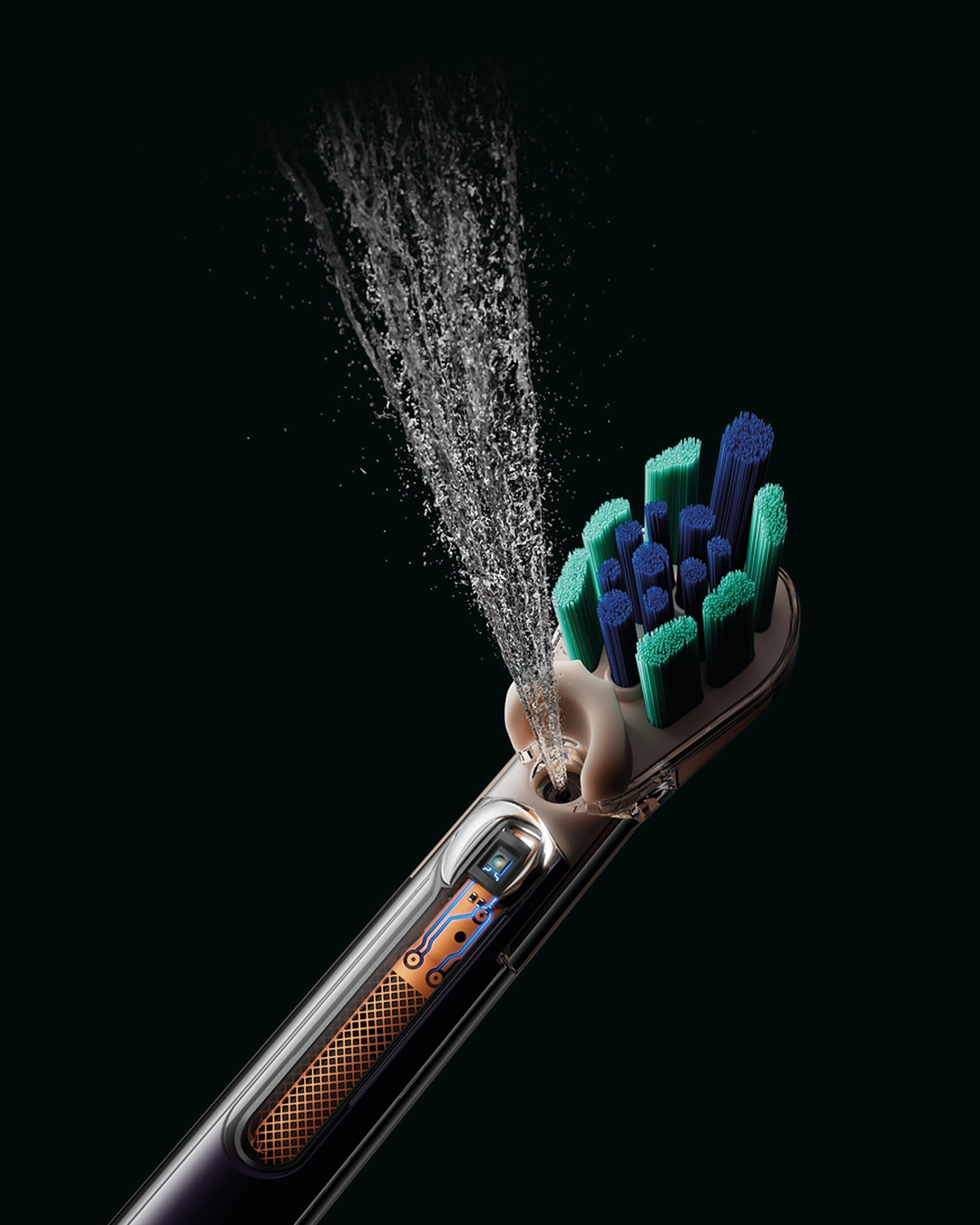
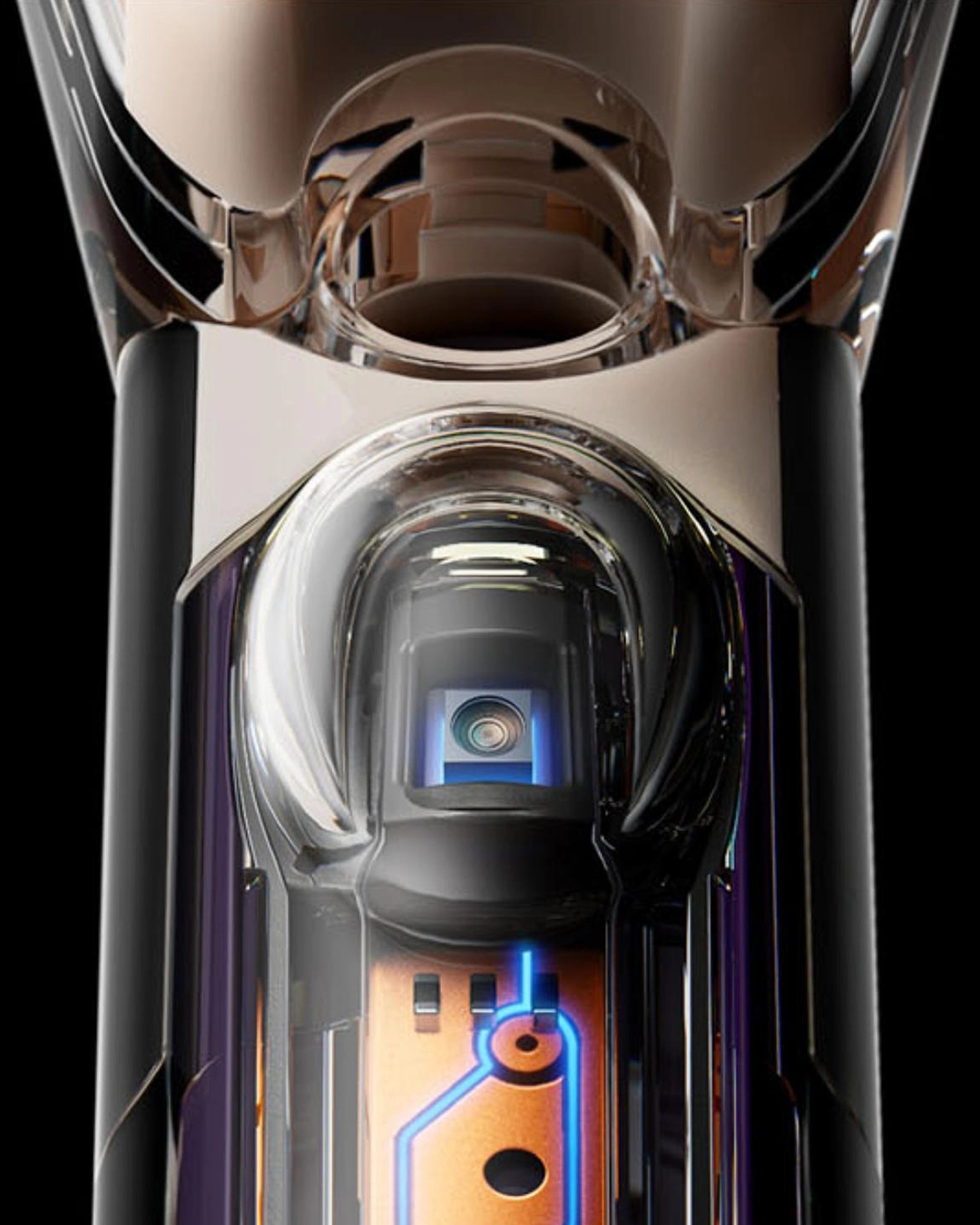
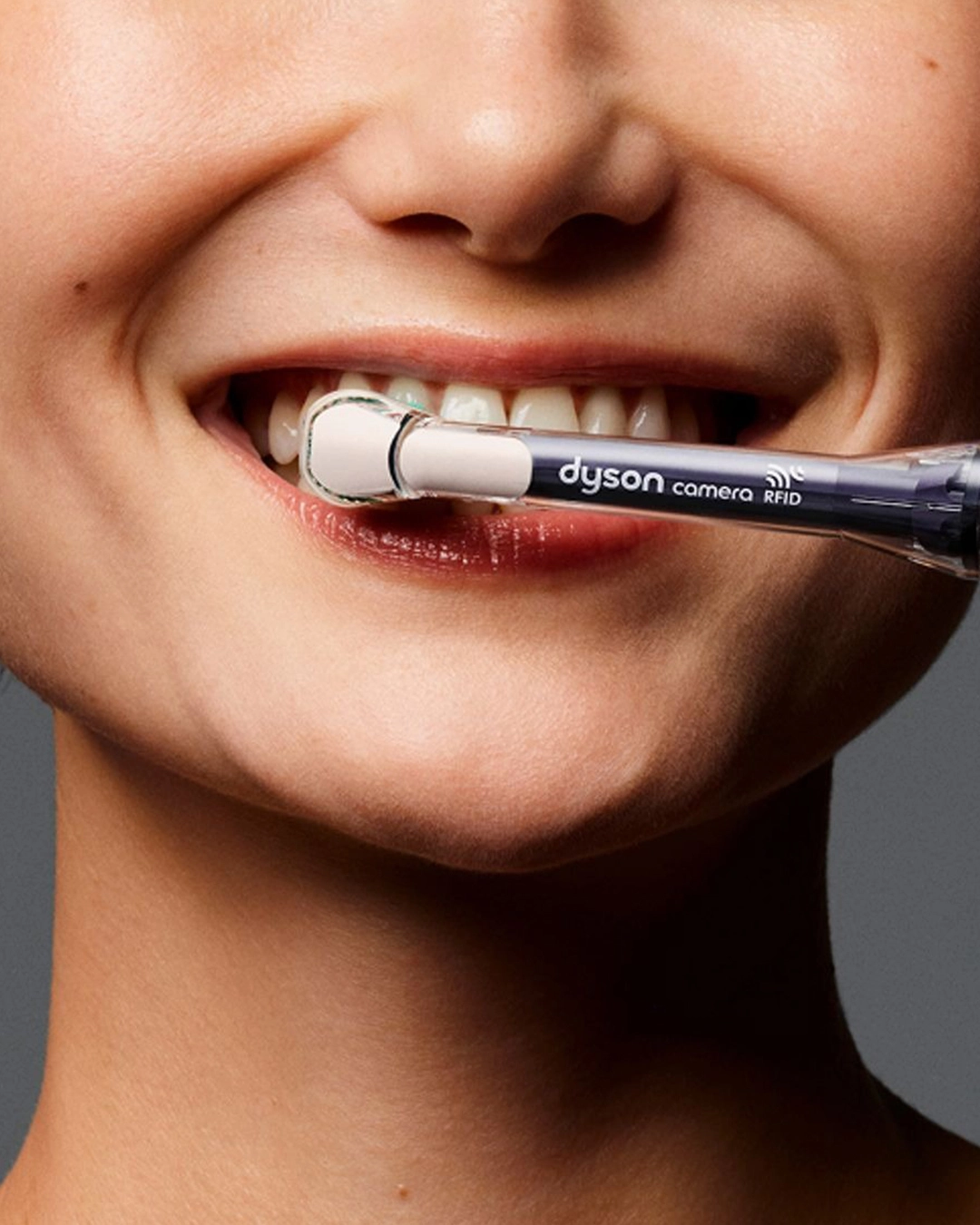
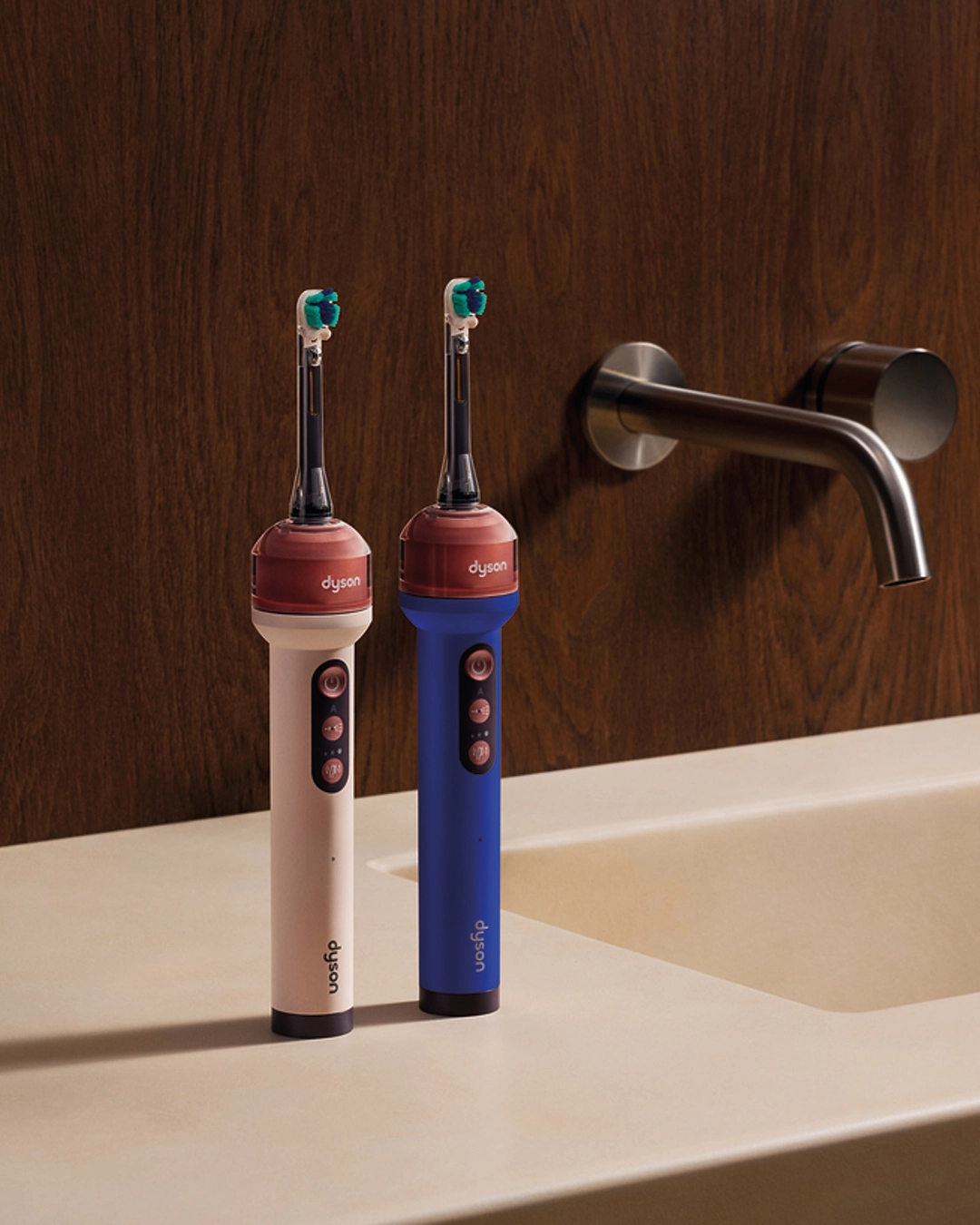
Leave it to Dyson to look at an object as intimate and overlooked as a toothbrush and see an engineering problem worth solving. The CameraJet, priced at $499, is less a toothbrush and more a miniaturized diagnostic instrument. At its core sits a 1mm lens that maps the mouth in real time, identifies the gaps conventional brushing misses, and directs a targeted mouthrinse exactly where it needs to go. The implications ripple outward in every direction. To make the camera viable, Dyson had to rethink toothpaste itself, developing a non-foaming formula that keeps the lens unobstructed and the visual feed clean. One sensor, cascading consequences across chemistry, fluid dynamics, and bristle architecture. This is where the story gets interesting. The CameraJet is not remarkable because of its spec sheet. It is remarkable because of what it forced. Wellness technology has long been content to observe, to count steps, track sleep, log calories. Dyson is signaling something different: a shift from passive monitoring toward active intervention. The bathroom ritual, long ignored by serious design culture, is suddenly terrain worth contesting. Flossing has never felt more like an industrial design brief.